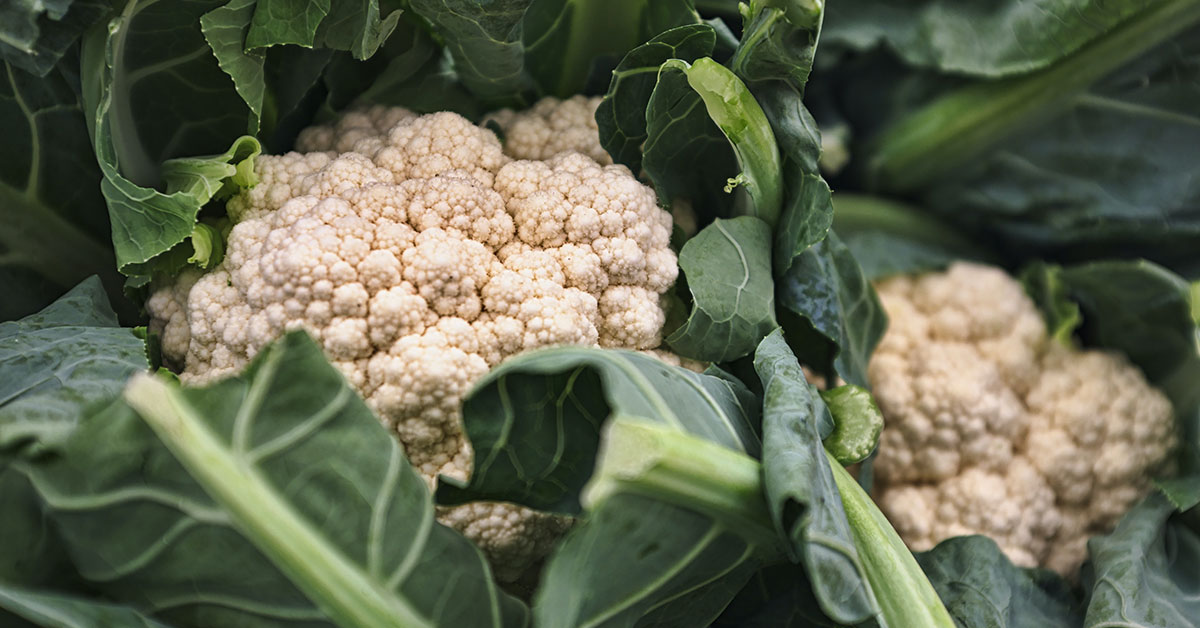

Cauliflower, a versatile and nutritious vegetable, is a favorite among gardeners for its delicate flavor and numerous health benefits. To ensure a bountiful harvest of this cruciferous delight, it is essential to provide the right nutrients to the plants. Choosing the best fertilizer for cauliflower is crucial in promoting healthy growth, strong root development, and optimal yield.
In this article, we will explore the different types of fertilizers available, their nutrient compositions, and the specific requirements of cauliflower plants. Whether you are a seasoned gardener or a beginner, this comprehensive guide will help you make informed decisions about fertilizing your cauliflower crop, leading to thriving plants and a delicious harvest.
Does cauliflower need to be fertilized?
Yes, cauliflower plants do require fertilization for optimal growth. Like many other vegetables, cauliflower plants have high nutrient requirements to develop healthy foliage and produce large, compact heads. Fertilizing cauliflower plants helps ensure they receive the necessary nutrients to thrive and produce a bountiful harvest.
The best fertilizer for cauliflower
The best fertilizer for growing cauliflower is one that is high in nitrogen, phosphorus, and potassium (NPK). A balanced fertilizer with an NPK ratio of 10-10-10 or 14-14-14 is generally suitable for cauliflower plants. However, it’s important to note that cauliflower prefers slightly acidic soil, so you may want to choose a fertilizer that is specifically formulated for acid-loving plants.
Additionally, cauliflower is a heavy feeder, so it’s beneficial to incorporate organic matter into the soil before planting. This can be done by adding compost or well-rotted manure, which will provide essential nutrients and improve soil structure.
During the growing season, you can apply a side-dressing of fertilizer around the base of the plants every 3-4 weeks to ensure they receive a steady supply of nutrients. Be sure to follow the instructions on the fertilizer packaging for the appropriate application rates.
Lastly, it’s important to monitor the plants for any signs of nutrient deficiencies or excesses. Adjusting the fertilizer application accordingly can help maintain healthy growth and maximize cauliflower production.
When to fertilize cauliflower
The ideal time to fertilize cauliflower plants is before planting and throughout their growing season. Prior to planting, it is recommended to incorporate well-balanced organic matter, such as compost or aged manure, into the soil to provide essential nutrients. This will help establish a nutrient-rich foundation for the plants.
During the growing season, cauliflower plants benefit from regular fertilization to support their growth and development. It is best to apply a balanced fertilizer, such as a 10-10-10 or 14-14-14, every 4-6 weeks. Alternatively, you can use a slow-release fertilizer at the beginning of the season, which will gradually release nutrients over time.
Additionally, cauliflower plants have specific nutrient requirements. They are heavy feeders of nitrogen, so it is important to provide adequate nitrogen throughout their growth. However, excessive nitrogen can lead to lush foliage with limited flower development. Therefore, it is recommended to use a fertilizer with a slightly higher ratio of phosphorus and potassium, such as a 5-10-10 or 10-20-20, during the flowering stage to promote healthy flower formation.
Always follow the instructions on the fertilizer packaging and avoid over-fertilizing, as it can cause nutrient imbalances and potentially harm the plants. Regularly monitor the plants for any signs of nutrient deficiencies or excesses, such as yellowing leaves or stunted growth, and adjust the fertilization accordingly.
Common issues with fertilizing cauliflower
When fertilizing cauliflower, several common issues or problems can arise. Here are a few to be aware of:
- Nitrogen imbalance: Excessive nitrogen can lead to lush foliage growth but hinder the development of cauliflower heads. It is crucial to maintain a balanced nitrogen level to promote both leaf and head growth.
- Phosphorus deficiency: Insufficient phosphorus can result in stunted growth and poor head formation. Phosphorus is vital for root development and overall plant health. Ensure that your fertilizer contains an adequate amount of phosphorus or consider adding a phosphorus-rich amendment.
- Over-fertilization: Applying too much fertilizer can burn the plants and cause damage. It is important to follow the recommended application rates and avoid over-fertilizing. Always read and follow the instructions on the fertilizer packaging.
- Uneven distribution: Improperly distributing fertilizer can lead to uneven nutrient uptake by the plants. Ensure that you spread the fertilizer evenly around the plants and avoid concentrating it in one area.
- Timing: Timing is crucial when fertilizing cauliflower. Applying fertilizer too early or too late in the growing season can impact the plant’s growth and development. It is generally recommended to fertilize cauliflower when transplanting seedlings or when they reach a certain size or stage of growth.
- Lack of micronutrients: Cauliflower requires various micronutrients for optimal growth. If your soil lacks these essential micronutrients, it can lead to nutrient deficiencies and affect the plant’s health. Conduct a soil test to identify any deficiencies and address them by using micronutrient-rich fertilizers or amendments.
Remember, it is always best to understand your specific soil conditions and the nutrient requirements of cauliflower before fertilizing. Regular monitoring, soil testing, and adjusting your fertilization practices accordingly will help you avoid these common issues and promote healthy cauliflower growth.