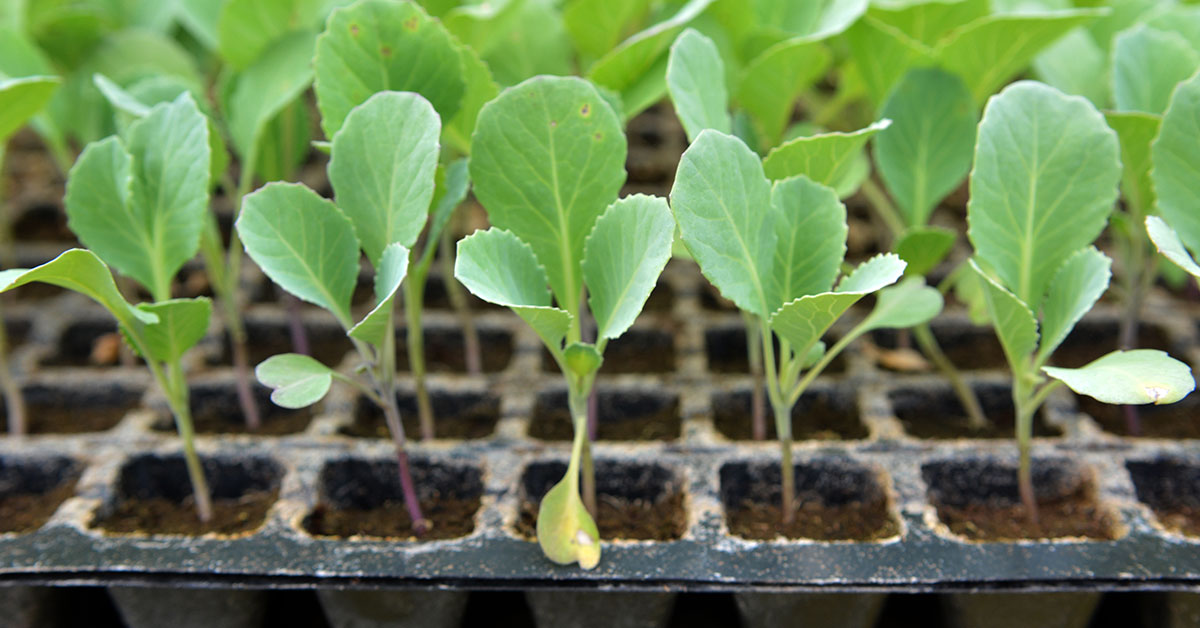

Cabbage, a versatile and nutritious vegetable, is a staple in many home gardens and commercial farms. To ensure a bountiful harvest of healthy and vibrant cabbage heads, choosing the right fertilizer is crucial. The ideal fertilizer for cabbage should provide essential nutrients, promote strong root development, and support vigorous growth throughout the growing season.
In this article, we will explore the various types of fertilizers available for cabbage, their nutrient compositions, and the best application methods to maximize cabbage yield and quality. Whether you are a seasoned gardener or a beginner, understanding the importance of proper fertilization will undoubtedly help you achieve thriving cabbage plants that are sure to impress both in taste and appearance.
Do Cabbage need to be fertilized?
Cabbage plants do require fertilization for optimal growth. Like all plants, cabbage plants need essential nutrients to develop properly and produce a good harvest. Fertilizers provide these nutrients, which are often depleted from the soil over time. By applying the right type and amount of fertilizer, you can ensure that your cabbage plants have access to the necessary nutrients for healthy growth.
The best fertilizer for cabbage
The best fertilizer for growing cabbage is one that is high in nitrogen, phosphorus, and potassium (NPK). Cabbage is a heavy feeder and requires nutrient-rich soil to thrive. A balanced fertilizer with an NPK ratio of 10-10-10 or 14-14-14 is generally recommended.
Additionally, cabbage prefers slightly acidic soil with a pH level between 6.0 and 6.8. If your soil is alkaline, you may need to amend it with sulfur or other acidifying agents to create the ideal pH level for cabbage growth.
Organic options such as compost, well-rotted manure, or fish emulsion are also excellent choices for fertilizing cabbage. These organic fertilizers not only provide essential nutrients but also improve soil structure and promote microbial activity.
It’s important to follow the instructions on the fertilizer packaging and avoid over-fertilizing, as excessive nitrogen can lead to lush foliage but hinder cabbage head formation. Regularly monitor your plants for signs of nutrient deficiencies or excesses, and adjust your fertilization routine accordingly.
When to fertilize cabbage
The ideal time to fertilize cabbage plants is before planting and during the growing season. Before planting, incorporate well-rotted compost or organic matter into the soil to provide a nutrient-rich base for the plants. This can be done a few weeks before transplanting seedlings or sowing seeds.
During the growing season, cabbage plants benefit from regular fertilization to support their growth and development. It is recommended to apply a balanced fertilizer, such as a 10-10-10 or 14-14-14, every 3-4 weeks. Alternatively, you can use a slow-release fertilizer at the beginning of the season, which will gradually release nutrients over time.
It is important to follow the manufacturer’s instructions regarding the application rate and method. Avoid over-fertilizing, as this can lead to excessive leaf growth and reduced head formation. Additionally, always water the plants after fertilizing to help nutrients reach the root zone effectively.
Common issues with fertilizing cabbage
When fertilizing cabbage, there are a few common issues or problems that can arise:
- Over-fertilization: Applying too much fertilizer can lead to excessive vegetative growth and weak stems, making the plants more susceptible to diseases and pests. It can also result in poor-quality heads or bolting (premature flowering).
- Under-fertilization: Insufficient nutrients can lead to stunted growth, pale or yellowing leaves, and reduced yields. Cabbage requires a steady supply of nutrients for optimal growth and development.
- Imbalanced nutrient ratios: Cabbage plants require a balanced ratio of nitrogen (N), phosphorus (P), and potassium (K) for healthy growth. An imbalance in these nutrients can cause various issues. For example, excessive nitrogen can result in lush foliage but hinder head formation, while insufficient phosphorus can lead to poor root development.
- Inadequate micronutrients: Cabbage plants also need micronutrients like iron, manganese, and boron in small quantities. Deficiencies in these micronutrients can cause leaf discoloration, stunted growth, or distorted heads.
- Improper timing: Applying fertilizer at the wrong time can negatively impact cabbage plants. For instance, late-season fertilization can promote excessive leaf growth instead of head development. It’s crucial to follow the recommended fertilization schedule for cabbage.
- Inconsistent watering: Proper watering is essential for nutrient uptake. Inadequate or excessive watering can affect the plant’s ability to absorb nutrients, leading to nutrient deficiencies or imbalances.
To avoid these problems, it is advisable to conduct a soil test before fertilizing cabbage. This will help determine the nutrient levels and pH of the soil, allowing for targeted fertilization. Additionally, following the recommended fertilization rates and schedules, using organic fertilizers, and maintaining proper watering practices will contribute to healthier cabbage plants.