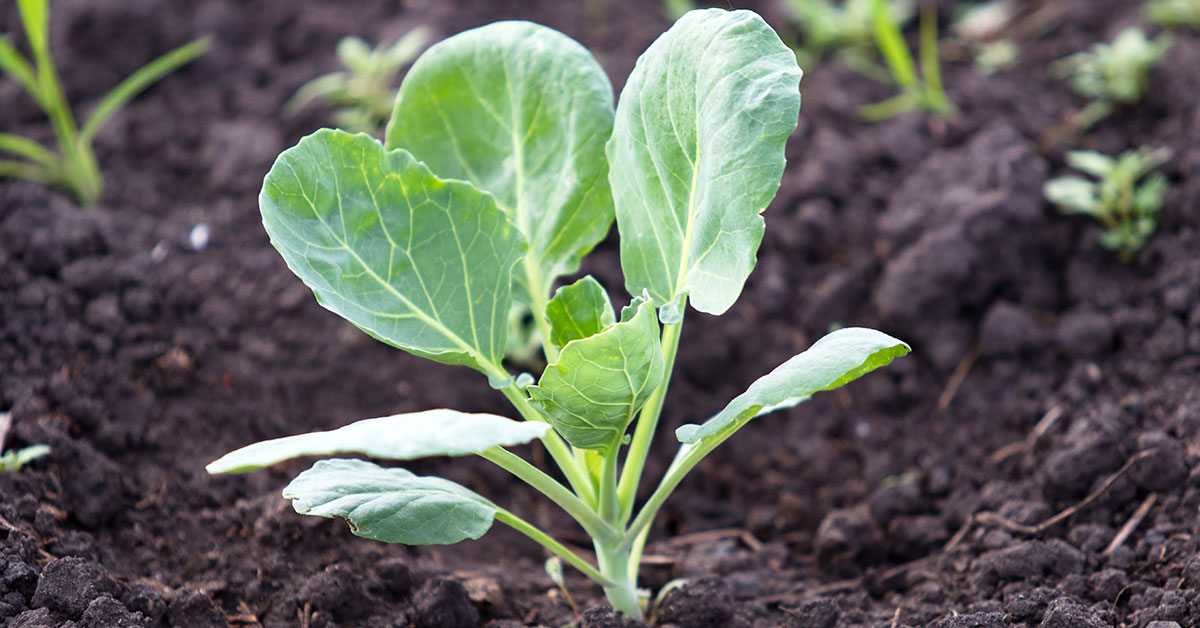

Brussels sprouts, those miniature cabbage-like vegetables that have become a staple in many kitchens, are not only delicious but also a delight to grow in your own garden. However, to ensure a bountiful harvest and robust growth, it is crucial to provide them with the right nutrients. This is where fertilizers come into play, acting as a vital ingredient in the success of your Brussels sprouts. Choosing the best fertilizer for Brussels sprouts can be a daunting task, considering the wide array of options available.
In this article, we will delve into the world of Brussels sprout fertilizers, exploring the essential nutrients they require, the different types of fertilizers suitable for these plants, and ultimately, help you make an informed decision on the best fertilizer to nourish your Brussels sprouts and maximize their yield.
Do Brussels Sprouts need to be fertilized?
Brussels sprouts plants do require fertilization for optimal growth. Like most vegetables, they are heavy feeders and need a steady supply of nutrients throughout their growing season. Fertilizing Brussels sprouts plants helps promote healthy foliage growth, strong root development, and the production of large, flavorful sprouts.
Before planting Brussels sprouts, it is recommended to prepare the soil by incorporating organic matter, such as compost or well-rotted manure, to improve its fertility and nutrient content. This will provide a good foundation for the plants. During the growing season, it is beneficial to apply a balanced fertilizer, such as a 10-10-10 or 14-14-14, around the base of the plants. Follow the package instructions for the recommended application rate.
Alternatively, you can use organic fertilizers like fish emulsion or seaweed extract, which are rich in nutrients and promote soil health. It is important to avoid over-fertilizing Brussels sprouts, as excessive nitrogen can lead to lush foliage growth at the expense of sprout development. Additionally, too much fertilizer can cause nutrient imbalances and environmental pollution. Regularly monitor the plants for signs of nutrient deficiencies or excesses, such as yellowing leaves or stunted growth, and adjust your fertilization accordingly.
Remember to water the plants after fertilizing to help the nutrients reach the root zone. Additionally, mulching around the plants can help conserve moisture and reduce weed competition. Overall, providing proper fertilization to Brussels sprouts plants will contribute to their overall health, vigor, and productivity.
The best fertilizer for Brussels Sprouts
The best fertilizer for growing Brussels sprouts is one that is high in nitrogen. Nitrogen is essential for leafy growth, which is important for Brussels sprouts as they are leafy vegetables. A balanced fertilizer with a higher nitrogen content, such as a 10-10-10 or 14-14-14, can be used. Additionally, organic fertilizers like compost or well-rotted manure can also be beneficial for providing a slow release of nutrients to the plants. It’s important to follow the instructions on the fertilizer packaging and apply it according to the recommended rates.
When to fertilize Brussels Sprouts
The ideal time to fertilize Brussels sprouts plants is in early spring, just before they start actively growing. This will provide them with the necessary nutrients to support their growth and development throughout the season. Additionally, you can apply a side dressing of fertilizer around the base of the plants once they have reached about 6-8 inches in height. This will help to promote healthy foliage and encourage the formation of robust sprouts. Remember to follow the instructions on the fertilizer packaging and avoid over-fertilizing, as this can lead to excessive vegetative growth at the expense of sprout development.
Common issues with fertilizing Brussels Sprouts
When fertilizing Brussels sprouts, there are a few common issues or problems that can arise:
- Nitrogen deficiency: Brussels sprouts require a good amount of nitrogen to grow properly. If the plants are not getting enough nitrogen, their leaves may turn pale green or yellow, and growth may be stunted. To address this issue, you can apply a nitrogen-rich fertilizer, such as blood meal or fish emulsion, following the recommended dosage on the package.
- Phosphorus deficiency: Phosphorus is essential for root development and overall plant health. If Brussels sprouts are lacking phosphorus, they may have stunted growth, delayed maturity, and purplish discoloration on the leaves. To rectify this, you can apply a phosphorus-rich fertilizer, such as bone meal or rock phosphate, according to the instructions provided.
- Over-fertilization: Applying too much fertilizer can lead to problems like fertilizer burn, nutrient imbalances, or excessive vegetative growth at the expense of fruit production. It is crucial to follow the recommended dosage and application frequency mentioned on the fertilizer package. If you suspect over-fertilization, flush the soil with water to help leach out excess nutrients.
- Imbalanced nutrient ratios: Brussels sprouts require a balanced supply of macronutrients (nitrogen, phosphorus, and potassium) as well as micronutrients (iron, manganese, zinc, etc.). If the nutrient ratios are imbalanced, it can affect plant growth and productivity. Using a well-balanced fertilizer specifically formulated for vegetables can help maintain the necessary nutrient ratios.
- Soil pH issues: Brussels sprouts prefer a slightly acidic soil pH ranging from 6.0 to 6.8. If the soil pH is too high or too low, it can affect nutrient availability and uptake by the plants. Conduct a soil test to determine the pH level and make necessary adjustments by adding lime to raise pH or sulfur to lower pH, if required.
Regular monitoring of plant health, observing any signs of nutrient deficiencies or excesses, and adjusting fertilizer applications accordingly can help prevent and address these common issues when fertilizing Brussels sprouts.