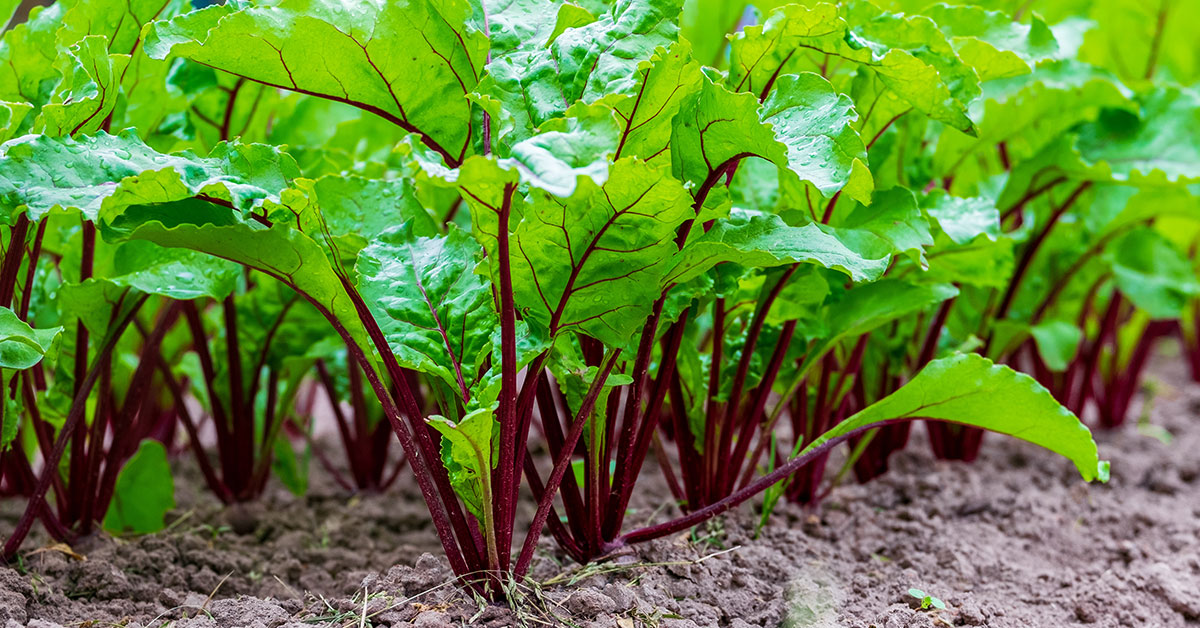

Welcome to our comprehensive guide on finding the best fertilizer for beets! Beets, known for their vibrant colors and earthy flavors, are a versatile and nutritious addition to any garden. Whether you are a seasoned gardener or a beginner, understanding why fertilizer for beets is crucial for their growth and overall health.
In this article, we will explore the specific nutritional needs of beets, the different types of fertilizers available, and provide recommendations on the best fertilizers to maximize your beet harvest. So, let’s dive in and discover the secrets to growing robust and delicious beets!
Do Beets need to be fertilized?
Yes, beet plants do require fertilization for optimal growth. Fertilizers provide essential nutrients that are necessary for the plant’s overall health and development. Beets are heavy feeders, meaning they have high nutrient requirements. Therefore, it is important to provide them with a balanced fertilizer that contains nitrogen, phosphorus, and potassium, as well as other micronutrients. Regularly fertilizing beet plants will help promote healthy foliage growth, root development, and increase the yield of the crop.
The best fertilizer for Beets
The best fertilizer for growing beets is one that is balanced and rich in nutrients, particularly high in phosphorus and potassium. Beets require adequate levels of these nutrients for healthy root development and overall growth. A fertilizer with an NPK ratio of 5-10-10 or 10-20-20 would be suitable for beets.
Additionally, organic matter is crucial for beet growth. Incorporating well-rotted compost or aged manure into the soil before planting will provide a slow-release source of nutrients and improve soil structure.
It’s important to note that beets are sensitive to excessive nitrogen levels, which can result in excessive foliage growth at the expense of root development. Therefore, it’s best to avoid fertilizers with high nitrogen content, such as those with a high first number in the NPK ratio.
Remember to follow the manufacturer’s instructions for application rates and timing, and always water the plants thoroughly after fertilizing to prevent burning the roots.
When to fertilize Beets
The ideal time to fertilize beet plants is before planting, during the preparation of the soil. Beets are heavy feeders and require a nutrient-rich soil to thrive. Prior to planting, incorporate well-rotted compost or aged manure into the soil to provide organic matter and essential nutrients. This will help ensure that the plants have access to the necessary nutrients throughout their growth cycle.
Additionally, a balanced fertilizer can be applied at planting time to provide a boost of nutrients. Look for a fertilizer with an NPK ratio (nitrogen, phosphorus, and potassium) of around 10-10-10 or similar. Apply the fertilizer according to the package instructions, taking care not to over-fertilize, as this can lead to excessive leaf growth at the expense of root development.
After the initial fertilization, beets generally do not require additional fertilizer during their growth period. However, if the plants show signs of nutrient deficiency, such as yellowing leaves or stunted growth, a side-dressing of a balanced fertilizer can be applied around the plants about four to six weeks after planting. Again, follow the package instructions for application rates.
Remember to always water the plants thoroughly after fertilizing to help the nutrients reach the roots and avoid burning the plants.
Common issues with fertilizing Beets
When fertilizing beets, several common issues or problems can arise. Here are a few to be aware of:
- Nitrogen imbalance: Beets require a balanced supply of nutrients, including nitrogen. Excessive nitrogen can lead to lush foliage growth at the expense of root development. This can result in small or misshapen beets. On the other hand, a nitrogen deficiency can cause stunted growth and pale leaves. It’s important to provide a balanced fertilizer or amend the soil accordingly.
- Phosphorus deficiency: Beets need phosphorus for healthy root development. A lack of phosphorus can lead to weak root growth and smaller beets. To address this, use a fertilizer with a higher phosphorus content or add phosphorus-rich amendments like bone meal or rock phosphate to the soil before planting.
- Over-fertilization: Applying too much fertilizer, especially if it is high in nitrogen, can burn the beet plants and cause leaf scorching. It’s crucial to follow the recommended application rates and avoid applying fertilizer directly onto the plant foliage. Always water the plants after fertilizing to prevent fertilizer burn.
- Inadequate potassium: Potassium is essential for overall plant health and disease resistance. A potassium deficiency can make beets more susceptible to diseases like leaf spot and root rot. To ensure sufficient potassium levels, use a fertilizer with a balanced NPK ratio or add potassium-rich amendments like wood ash or potassium sulfate to the soil.
- pH imbalance: Beets prefer slightly acidic to neutral soil with a pH range of 6.0-7.5. If the soil pH is too high or too low, it can affect nutrient availability and uptake by the plants. Conduct a soil test to determine the pH level and adjust it if necessary using appropriate amendments like sulfur or lime.
- Poor soil drainage: Beets require well-draining soil to prevent waterlogged conditions that can lead to root rot. If the soil retains too much water, it can hinder nutrient uptake and cause the beets to rot. Ensure proper soil drainage by amending heavy clay soils with organic matter or creating raised beds.
By being aware of these common issues and taking appropriate measures, you can ensure healthy beet growth and a bountiful harvest.