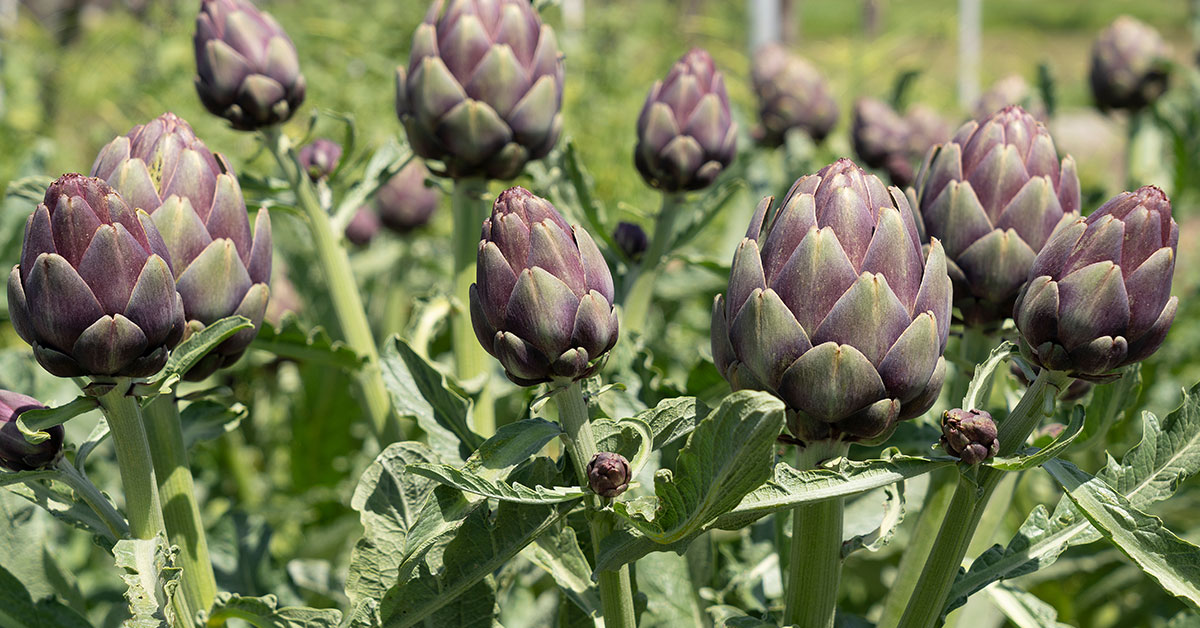

Artichokes, with their unique flavor and striking appearance, have become a favorite addition to many home gardens. However, to ensure these magnificent plants thrive and produce a bountiful harvest, it is essential to provide them with the right nutrients. Fertilizing artichokes is a crucial aspect of their care, as it directly impacts their growth, health, and overall productivity. In this article, we will explore the best fertilizer for artichokes, taking into consideration their specific nutritional needs and the various options available to gardeners.
Whether you are a seasoned artichoke enthusiast or a beginner looking to cultivate these delectable plants, understanding the importance of proper fertilization will undoubtedly contribute to your gardening success. So, let’s dive into the world of artichoke fertilizers and discover the key to growing robust and flavorful artichoke plants.
Do Artichokes need to be fertilized?
Yes, artichoke plants do require fertilization for optimal growth. Like most plants, artichokes need essential nutrients such as nitrogen, phosphorus, and potassium to thrive. Fertilizing artichoke plants helps promote healthy foliage growth, strong root development, and increased flower production. When fertilizing artichokes, it is important to use a balanced fertilizer that provides a good mix of these essential nutrients.
A general-purpose granular fertilizer with an NPK ratio of around 10-10-10 or 14-14-14 is suitable for artichokes. It is recommended to apply fertilizer to artichoke plants in early spring, just as new growth begins. Scatter the granules evenly around the base of the plant, taking care not to let the fertilizer touch the leaves or stems. Water the plants thoroughly after fertilizing to help the nutrients penetrate the soil and reach the roots.
In addition to regular fertilization, artichokes benefit from organic matter amendments such as compost or well-rotted manure. Adding organic matter to the soil improves its structure, enhances nutrient retention, and promotes beneficial microbial activity. Remember to follow the manufacturer’s instructions and avoid over-fertilizing, as excessive amounts of nutrients can harm the plants. Monitoring the plants’ growth and adjusting the fertilization schedule accordingly will help ensure optimal growth and healthy artichoke harvests.
The best fertilizer for Artichokes
For growing artichokes, a fertilizer with a balanced ratio of nutrients is ideal. Look for a fertilizer that has an NPK (nitrogen, phosphorus, and potassium) ratio of around 10-10-10 or 14-14-14. This will provide a good balance of essential nutrients for the artichoke plants.
Additionally, artichokes benefit from a fertilizer that is rich in organic matter. Consider using compost or well-rotted manure as a natural fertilizer. These organic materials not only provide nutrients but also improve soil structure and promote beneficial microbial activity.
When applying fertilizer to artichokes, it’s best to do so in early spring before the growing season begins. Apply the fertilizer evenly around the base of the plants, being careful not to let it touch the leaves or stems. Water the plants thoroughly after fertilizing to help the nutrients reach the root zone.
Remember to follow the manufacturer’s instructions on the fertilizer packaging for proper application rates and frequency. Regularly monitor the plants for any signs of nutrient deficiencies or excesses, and adjust the fertilizer application accordingly.
When to fertilize Artichokes
The ideal time to fertilize artichoke plants is in early spring, just as new growth begins to emerge. This is typically around March or April, depending on your specific climate and location. Fertilizing at this time will provide the plants with the necessary nutrients to support healthy growth and development throughout the growing season. Additionally, you can apply a balanced fertilizer again in mid-summer to promote continued growth and productivity. It is important to follow the instructions on the fertilizer packaging and avoid over-fertilizing, as this can lead to excessive foliage growth at the expense of artichoke production.
Common issues with fertilizing Artichokes
When fertilizing artichokes, there are a few common issues or problems that can arise:
- Nitrogen imbalance: Artichokes require a balanced supply of nutrients, but an excessive amount of nitrogen can lead to lush foliage growth at the expense of flower production. It is important to provide a balanced fertilizer with a moderate amount of nitrogen to avoid this issue.
- Phosphorus deficiency: Artichokes need phosphorus for healthy root development and flower production. A deficiency in phosphorus can result in stunted growth and poor flowering. To address this, use a fertilizer with a higher phosphorus content or incorporate phosphorus-rich organic matter into the soil.
- Over-fertilization: Applying too much fertilizer can cause fertilizer burn, which can damage the roots and foliage of artichoke plants. It is crucial to follow the recommended dosage and application instructions provided by the fertilizer manufacturer. Additionally, avoid fertilizing during periods of drought or when the plants are stressed.
- Improper timing: Timing is important when fertilizing artichokes. Applying fertilizer too early in the growing season may result in excessive vegetative growth and delayed flowering. On the other hand, applying fertilizer too late may not provide the necessary nutrients for optimal flower production. It is best to fertilize artichokes in early spring, just as new growth begins, and again after harvesting the main crop to support regrowth and secondary flowering.
- Nutrient deficiencies: Artichokes may exhibit nutrient deficiencies if they lack essential minerals. Common deficiencies include iron, magnesium, and potassium. These deficiencies can cause yellowing leaves, stunted growth, and reduced yields. Regular soil testing can help identify nutrient deficiencies, and appropriate fertilizers or soil amendments can be applied to address these issues.
Remember, it is always advisable to observe the specific needs of your artichoke plants and adjust fertilization practices accordingly.