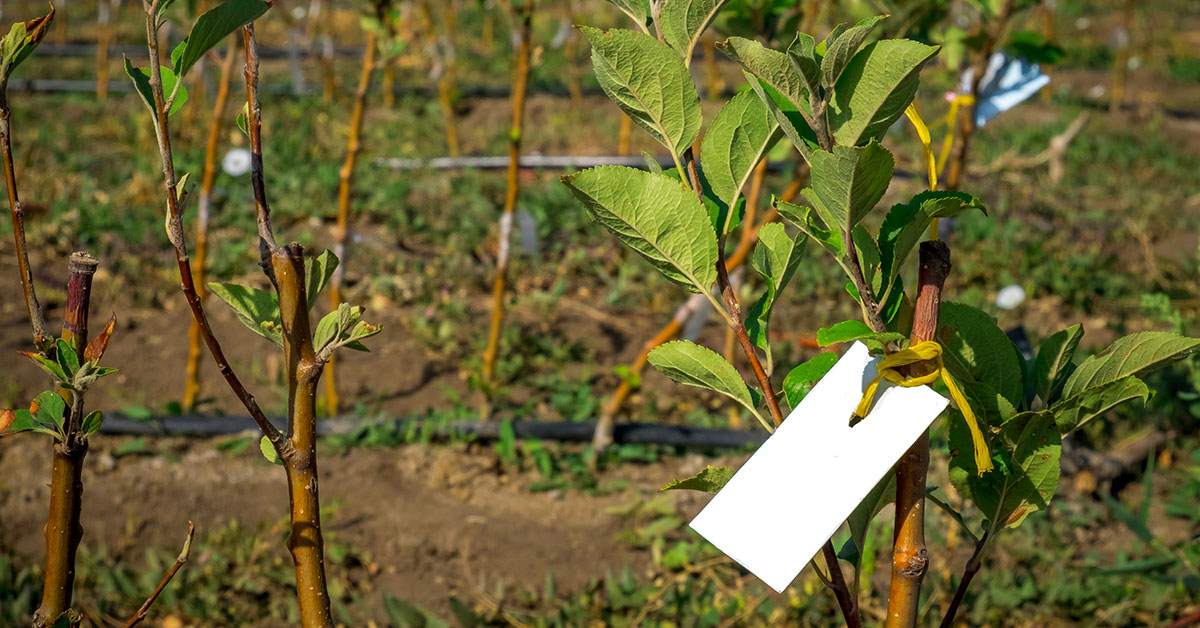

Welcome to the world of pear tree cultivation! If you’re looking to add a touch of sweetness to your garden, the Summercrisp Pear (Pyrus communis ‘Summercrisp’) is an excellent choice. Known for its delectable flavor and crisp texture, this variety is a favorite among gardeners and fruit enthusiasts alike. Whether you’re a seasoned gardener or a beginner, this article will guide you through the process of successfully growing and caring for Summercrisp Pear trees.
From selecting the right location to providing proper care and maintenance, we’ll cover all the essential steps to ensure a bountiful harvest of these luscious pears. So, grab your gardening tools and let’s embark on a journey to cultivate your very own Summercrisp Pear tree!
What are Summercrisp Pears?
Summercrisp Pear is a popular variety of pear tree known for its delicious and juicy fruit. It is a medium-sized tree that can reach a height of 15 to 20 feet and has a spreading, rounded canopy. The leaves are glossy green and oval-shaped, providing an attractive backdrop to the tree’s abundant fruit. The fruit of the Summercrisp Pear is medium to large in size, with a smooth, thin skin that ripens to a golden-yellow color. The flesh is creamy-white, crisp, and exceptionally juicy, offering a refreshing and sweet flavor.
The pears are ready for harvest in late summer or early fall, making them a delightful addition to seasonal fruit salads, desserts, or enjoyed fresh off the tree. Summercrisp Pear trees are known for their vigorous growth and adaptability to a wide range of climates. They are self-pollinating, but having another pear tree nearby can increase fruit production. This variety is also resistant to fire blight, a common disease that affects pear trees. When it comes to cultivation, Summercrisp Pear trees prefer full sun exposure and well-drained soil.
Regular watering is essential, especially during dry periods, to ensure proper fruit development. Pruning should be done during the dormant season to maintain a balanced shape and promote good air circulation. Overall, Summercrisp Pear is a fantastic choice for home gardeners looking to grow a pear tree that produces abundant, flavorful fruit while being relatively easy to care for.
What do Summercrisp Pears taste like?
Summercrisp pears are known for their delightful flavor profile. They have a sweet and juicy taste with a hint of tartness, making them a perfect balance of flavors. The sweetness of the pear is often compared to that of honey or sugar, providing a pleasant and refreshing experience when biting into the fruit.
The texture of Summercrisp pears is crisp and firm, giving them a satisfying crunch with each bite. The flesh is smooth and succulent, melting in your mouth as you savor the flavors. The pear’s juiciness adds to its overall appeal, making it a juicy and refreshing treat, especially on hot summer days.
The flavor of Summercrisp pears is often described as aromatic, with subtle floral notes that enhance the overall taste experience. This adds a layer of complexity to the fruit, making it more than just a simple sweet treat. The hint of tartness adds a refreshing zing, balancing out the sweetness and providing a pleasant contrast.
Whether eaten fresh or used in various culinary applications, Summercrisp pears are a delightful addition to any dish. Their flavor profile makes them versatile, allowing them to be enjoyed on their own, in salads, desserts, or even cooked into jams and preserves.
How to start Summercrisp Pears from seeds
Starting Summercrisp Pear trees from graft stock is indeed the preferred method, as it ensures the desired characteristics of the variety are maintained. However, if graft stock is not available, you can also start Summercrisp Pear trees from seeds. Here is a guide on how to start Summercrisp Pear trees:
- Seed Selection: Obtain fresh Summercrisp Pear seeds from a reputable source. It’s important to note that growing pear trees from seeds may result in variations in fruit quality and characteristics, as they may not be true to the parent tree.
- Stratification: Summercrisp Pear seeds require a period of cold stratification to break their dormancy. Place the seeds in a moist paper towel or peat moss, seal them in a plastic bag, and refrigerate them for about 90-120 days. This mimics the natural winter conditions that the seeds would experience in their native environment.
- Germination: After the stratification period, remove the seeds from the refrigerator and sow them in a container filled with well-draining potting soil. Plant the seeds about 1 inch deep and water thoroughly. Keep the soil consistently moist but not waterlogged.
- Location and Temperature: Place the container in a warm location with indirect sunlight or under grow lights. The ideal temperature for germination is around 70-75°F (21-24°C). Use a heating mat if necessary to maintain a consistent temperature.
- Transplanting: Once the seedlings have developed a few sets of true leaves and are strong enough to handle, they can be transplanted into individual pots or directly into the ground. Choose a sunny location with well-draining soil for planting.
- Care and Maintenance: Provide regular watering to keep the soil evenly moist, especially during the first year of growth. Fertilize the young trees with a balanced, slow-release fertilizer according to the package instructions. Prune the trees in late winter or early spring to shape them and promote healthy growth.
- Pollination: Keep in mind that pear trees are not self-pollinating, so you will need another compatible pear variety nearby for cross-pollination and fruit set. Ensure that the pollinator tree blooms at the same time as the Summercrisp Pear tree.
- Pest and Disease Control: Monitor the trees regularly for common pests like aphids, pear psylla, and codling moth. Apply appropriate organic or chemical controls if necessary. Also, be vigilant for diseases such as fire blight and take necessary preventive measures.
Remember, growing pear trees from seeds may result in variations, so if you desire the specific characteristics of Summercrisp Pear, it is best to obtain graft stock from a reliable nursery or supplier.
When to plant Summercrisp Peasr outdoors
The ideal time to plant Summercrisp Pear trees is in late winter or early spring, before the tree starts to bud or flower. This allows the tree to establish its roots before the onset of hot summer temperatures. Planting in late winter or early spring also gives the tree ample time to acclimate to its new surroundings and develop a strong root system before the next growing season.
Growing & care guide Summercrisp Pears
Summercrisp Pear is a popular variety known for its deliciously sweet and juicy fruit. To ensure the health and productivity of your Summercrisp Pear tree, it is important to follow some best practices for caring for it. Here are some guidelines to help you successfully grow and maintain your Summercrisp Pear tree:
- Planting: Choose a location that receives full sun for at least 6-8 hours a day. The soil should be well-draining, fertile, and slightly acidic with a pH level between 6.0 and 7.0. Dig a hole that is wide and deep enough to accommodate the tree’s root system. Place the tree in the hole, ensuring that the bud union (the swollen area where the tree was grafted onto the rootstock) is above the soil line. Backfill the hole with soil, gently firming it around the roots.
- Watering: Water your Summercrisp Pear tree deeply and regularly, especially during dry spells. Young trees require about 1-2 inches of water per week, while mature trees need around 4-6 inches. Water at the base of the tree, avoiding wetting the foliage, to prevent diseases. Mulching around the base of the tree with organic matter will help retain moisture and suppress weed growth.
- Fertilizing: Pear trees benefit from regular fertilization to promote healthy growth and fruit production. Apply a balanced fertilizer, such as a 10-10-10 or 14-14-14 formula, in early spring before new growth appears. Follow the manufacturer’s instructions for application rates. Additionally, consider incorporating organic matter, such as compost or well-rotted manure, into the soil annually to improve its fertility.
- Pruning: Pruning is essential for maintaining the shape, health, and productivity of your Summercrisp Pear tree. Prune during late winter or early spring while the tree is still dormant. Remove any dead, damaged, or diseased branches. Thin out crowded areas to improve airflow and sunlight penetration. Aim for an open center or modified central leader shape, allowing for good light distribution and ease of harvesting. Regularly prune to remove water sprouts and suckers that emerge from the base of the tree.
- Pest and Disease Control: Summercrisp Pear trees are susceptible to various pests and diseases, including pear psylla, codling moth, fire blight, and pear scab. Monitor your tree regularly for signs of infestation or disease. Use organic or chemical controls as necessary, following the instructions provided. Applying dormant oil spray in late winter or early spring can help control overwintering pests and their eggs.
- Harvesting: Summercrisp Pears are typically ready for harvest in late summer or early fall, depending on your region. The fruit should be firm but not hard, with a slight give when gently pressed. Twist or gently lift the pears to detach them from the tree. Avoid pulling or yanking, as this can damage the fruit or the tree.
By following these best practices, you can ensure the successful growth, health, and productivity of your Summercrisp Pear tree, allowing you to enjoy its delicious fruit for years to come.
Harvesting guide for Summercrisp Pears
Summercrisp pears are typically ready for harvest in late summer or early fall, depending on the specific climate and growing conditions. To determine if the pears are ready to be harvested, there are a few indicators to look for:
- Color: Summercrisp pears will change color as they ripen. When the pears are ready to be harvested, their skin will turn from green to a yellowish-green or pale yellow color. However, it’s important not to wait until the pears become completely yellow, as they may become overripe and mushy.
- Texture: Gently press your thumb against the skin of the pear. If it yields slightly to pressure, it is likely ripe and ready to be harvested. Avoid applying too much pressure, as it may cause bruising.
- Taste: If you have access to a few pears, you can taste-test one to determine its ripeness. A ripe Summercrisp pear will have a sweet and juicy flavor. If the pear tastes bland or overly firm, it may need more time to ripen on the tree.
When harvesting Summercrisp pears, follow these steps:
- Use pruning shears or a sharp knife to cut the stem of the pear, leaving a short stub attached to the fruit. Avoid pulling or twisting the pear off the tree, as this can damage the branch or the fruit itself.
- Handle the pears with care to prevent bruising. Place them gently in a basket or container, ensuring they are not stacked on top of each other.
- It’s best to harvest pears in the morning when the temperatures are cooler. This helps to maintain the fruit’s quality and minimize the risk of sunburn.
- If you notice any damaged or diseased pears, remove them from the tree and discard them to prevent the spread of diseases or pests.
- Once harvested, store the pears in a cool and dark location, such as a cellar or refrigerator. They can be kept at room temperature for a few days to ripen further, but be sure to monitor them closely to avoid overripening.
Remember that the exact timing of harvest may vary based on your specific location and growing conditions. It’s always a good idea to consult with local gardening resources or experienced growers in your area for more precise guidance.