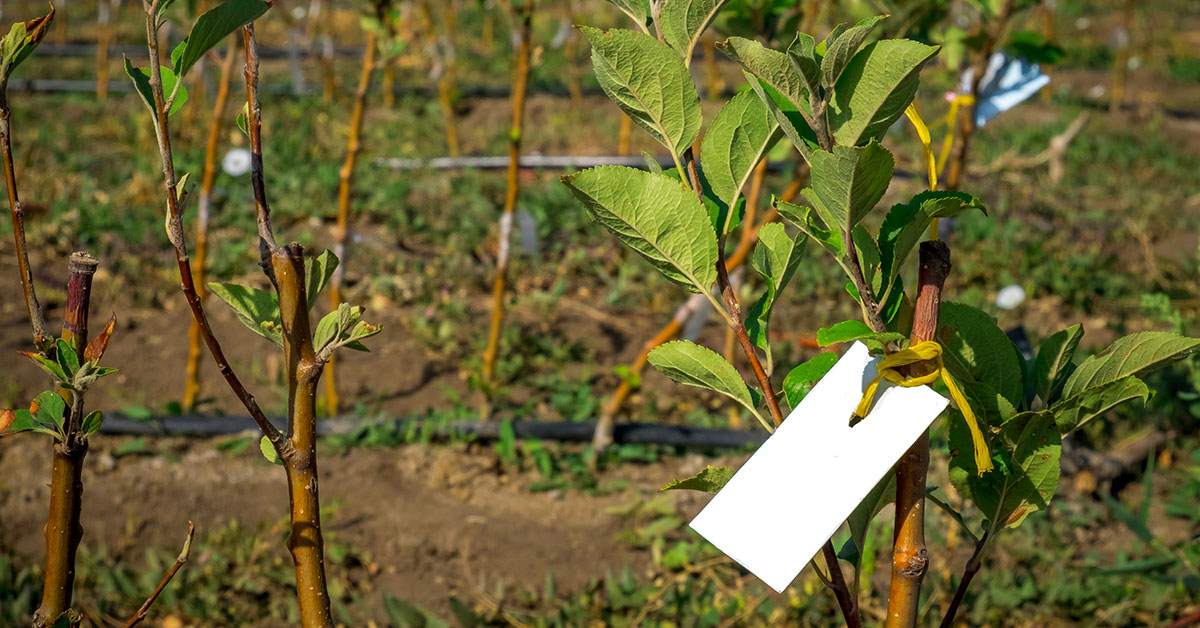

Welcome to the world of Seckel pears, a delightful and unique variety that is sure to captivate any gardener’s heart. Known for their small size and exceptional sweetness, Seckel pears are a true gem in the world of fruit trees. Whether you are a seasoned gardener or a beginner looking to embark on a new horticultural adventure, this article will provide you with all the essential information you need to successfully grow Seckel pears in your own backyard.
From selecting the right cultivar to understanding the ideal growing conditions, we will delve into the intricacies of nurturing these delectable fruits. So, grab your gardening tools and let’s dive into the wonderful journey of cultivating Seckel pears, ensuring a bountiful harvest and a garden filled with the irresistible aroma of these miniature delights.
What are Seckel Pears?
Seckel pear is a small, sweet and flavorful variety of pear that is highly regarded for its unique taste. It is known for its petite size, typically measuring only about 2 inches in height. The skin of the Seckel pear is greenish-brown, often with a reddish blush, and has a slightly rough texture. The flesh is creamy-white, juicy, and has a smooth, buttery texture.
Seckel pears are known for their intense sweetness, often described as honey-like, with hints of spice and vanilla. They are excellent for fresh eating, as well as for use in baking, canning, and preserving. Seckel pear trees are relatively small in size, making them suitable for smaller gardens or even container growing. They are also known for their productivity and can be harvested in late summer or early fall.
What do Seckel Pears taste like?
Seckel pears are known for their unique and delightful flavor profile. They are often described as having a rich, sweet, and complex taste. The flavor of Seckel pears is intense and concentrated, with a perfect balance between sweetness and acidity.
When you bite into a Seckel pear, you will immediately notice its firm and juicy texture. The flesh is smooth and creamy, with a buttery consistency that melts in your mouth. The sweetness of the pear is reminiscent of honey or caramel, with a hint of spice and floral undertones.
Seckel pears have a distinct flavor that sets them apart from other pear varieties. They are often compared to a dessert pear, as their sweetness is more pronounced and concentrated. The flavor intensifies as the pear ripens, becoming even more luscious and flavorful.
One of the unique aspects of Seckel pears is their small size, which contributes to their exceptional flavor. Despite their petite appearance, these pears pack a punch in terms of taste. Their small size also makes them perfect for snacking or adding to salads, cheese platters, and desserts.
Overall, the flavor profile of Seckel pears is a harmonious blend of sweetness, acidity, and complexity. They are a true delight for pear lovers, offering a memorable and satisfying eating experience.
How to start Seckel Pears from seeds
Seckel pears are a popular variety known for their small size, sweet flavor, and excellent texture. If you want to start growing Seckel pear trees, here is a step-by-step guide:
- Climate and Soil Requirements: Seckel pears thrive in USDA hardiness zones 5-8. They require full sun exposure and well-draining soil with a pH level between 6.0 and 7.5. Ensure that the soil is rich in organic matter.
- Choosing the Right Rootstock: When starting a pear tree, it is recommended to use a graft stock rather than growing from seed. This is because seed-grown trees may not produce true-to-type fruit. For Seckel pears, compatible rootstocks include Quince A, Quince C, and Pyrus calleryana.
- Obtaining Graft Stock: Purchase Seckel pear graft stock from a reputable nursery or garden center. Make sure the graft stock is healthy and disease-free.
- Planting the Graft Stock: Choose a suitable location in your garden or orchard to plant the Seckel pear tree. Dig a hole that is wide and deep enough to accommodate the roots of the graft stock. Place the tree in the hole, ensuring that the graft union (the swollen area where the scion and rootstock meet) is above the soil level.
- Backfilling and Watering: Fill the hole with soil, gently firming it around the roots to eliminate air pockets. Water the tree thoroughly after planting to settle the soil and provide moisture to the roots.
- Pruning and Training: Once the Seckel pear tree is established, it is essential to prune and train it properly. Pruning helps maintain the tree’s shape, remove dead or diseased wood, and promote better fruit production. Consult pruning guides specific to pear trees to learn about the best techniques and timing.
- Fertilizing: Seckel pear trees benefit from regular fertilization. Apply a balanced fertilizer in early spring before new growth begins. Follow the manufacturer’s instructions for application rates and timing.
- Watering and Mulching: Pear trees require consistent moisture, especially during the growing season. Water deeply and regularly, ensuring the soil remains evenly moist but not waterlogged. Mulching around the base of the tree helps retain soil moisture and suppresses weed growth.
- Pest and Disease Management: Seckel pears are susceptible to various pests and diseases, including pear psylla, codling moth, fire blight, and pear scab. Monitor your tree regularly for signs of infestation or disease and take appropriate measures, such as using organic pest control methods or consulting with a local extension office for guidance.
- Harvesting: Seckel pears are typically ready for harvest in late summer or early fall. The fruit should be firm but not too hard. Gently twist or lift the pears to detach them from the tree. Store them in a cool, dark place for a few days to ripen fully.
Remember, growing Seckel pear trees requires patience and care. Regular maintenance, proper pruning, and attention to pest and disease management will help ensure a healthy and fruitful tree.
When to plant Seckel Pears outdoors
The ideal time to plant Seckel Pear trees is during the late winter or early spring, before the tree starts to bud or flower. This allows the tree to establish its root system before the onset of hot summer temperatures. Planting in late winter or early spring also gives the tree enough time to acclimate to its new environment and develop strong roots before the following winter.
Growing & care guide Seckel Pears
Seckel pears are a popular variety known for their small size, sweet flavor, and crisp texture. To ensure the health and productivity of your Seckel pear tree, it is important to follow some best practices for caring for it. Here are some guidelines to help you:
- Planting: Choose a sunny location with well-drained soil for your Seckel pear tree. It is best to plant it in early spring or late fall when the tree is dormant. Dig a hole that is wide and deep enough to accommodate the tree’s root system. Place the tree in the hole, making sure the bud union (the swollen area where the tree was grafted onto the rootstock) is above the soil level. Backfill the hole with soil, gently firming it around the roots.
- Watering: Seckel pear trees require regular watering, especially during dry spells. Provide deep, thorough watering once a week, ensuring the water reaches the root zone. Avoid overwatering, as it can lead to root rot. Mulching around the base of the tree can help retain moisture and regulate soil temperature.
- Pruning: Pruning is essential for maintaining the shape, health, and productivity of your Seckel pear tree. Prune during late winter or early spring when the tree is still dormant. Remove any dead, damaged, or diseased branches. Thin out crowded areas to improve air circulation and sunlight penetration. Prune to maintain an open center or modified central leader shape, which allows for better fruit production and easier maintenance.
- Fertilizing: Seckel pear trees benefit from regular fertilization to ensure optimal growth and fruit production. Apply a balanced fertilizer, such as a 10-10-10 or 14-14-14, in early spring before new growth begins. Follow the manufacturer’s instructions for application rates. Avoid excessive nitrogen fertilization, as it can promote excessive vegetative growth at the expense of fruit production.
- Pest and Disease Control: Seckel pear trees are susceptible to various pests and diseases, including pear psylla, codling moth, fire blight, and pear scab. Regularly inspect your tree for signs of infestation or disease, such as distorted leaves, oozing cankers, or fruit damage. Use organic or chemical controls as necessary, following the instructions provided. Applying dormant oil in late winter can help control overwintering pests and their eggs.
- Harvesting: Seckel pears are typically ready for harvest in late summer or early fall. The fruit should be firm but not rock hard when gently squeezed. Twist the pear gently to detach it from the tree, or use pruning shears to cut the stem close to the fruit. Store the harvested pears in a cool, dark place to ripen fully.
By following these best practices, you can ensure the successful growth, health, and productivity of your Seckel pear tree. Happy gardening!
Harvesting guide for Seckel Pears
Seckel pears are a delicious and popular variety known for their small size and sweet flavor. Harvesting Seckel pears at the right time is crucial to ensure optimal taste and texture. Here’s a guide on when and how to harvest Seckel pears:
- Timing: Seckel pears are typically ready for harvest in late summer or early fall, depending on your specific climate. The best way to determine if they are ready is by monitoring their color and firmness. Seckel pears should have a yellowish-green skin with a slight blush of red or brown. When gently pressed near the stem, they should yield slightly but still feel firm.
- Harvesting technique: To harvest Seckel pears, follow these steps:
a. Use a pair of pruning shears or sharp scissors to cut the stem about half an inch above the fruit. Avoid pulling or twisting the pear, as this can damage the tree or cause the fruit to bruise.
b. Hold the pear gently in your hand to prevent any unnecessary pressure or bruising.
c. Place the harvested pears carefully in a basket or container, making sure not to stack them on top of each other. - Ripening: Seckel pears are typically harvested when they are still firm and slightly underripe. They will continue to ripen off the tree. To ripen Seckel pears, follow these steps:
a. Place the harvested pears in a cool, dark, and well-ventilated area, such as a basement or pantry.
b. Check the pears regularly for ripeness by gently pressing near the stem. They should yield slightly and have a sweet aroma when fully ripe.
c. Once the pears reach the desired ripeness, you can store them in the refrigerator to prolong their shelf life.
Remember, Seckel pears are delicate fruits, so handle them with care during harvesting and storage to avoid bruising or damage. Enjoy the sweet and juicy flavor of Seckel pears in various culinary creations or simply enjoy them fresh!