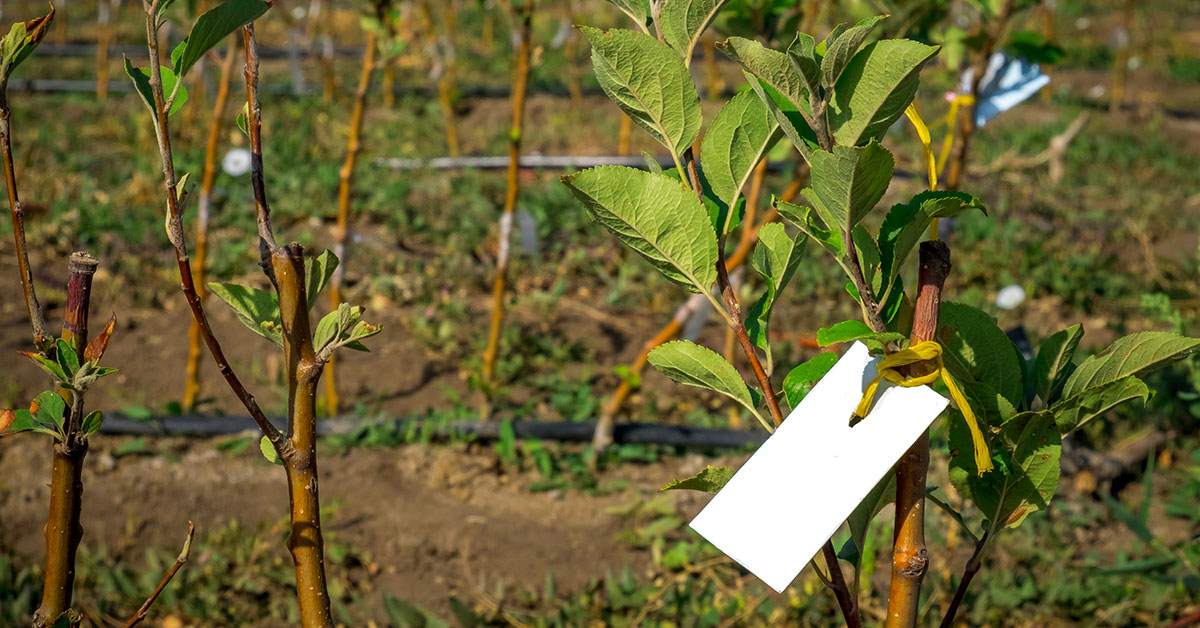

Welcome to the world of Concorde pears, a delightful and versatile fruit that is sure to captivate any gardening enthusiast. Known for its exceptional flavor, crisp texture, and beautiful appearance, the Concorde pear is a cultivar that combines the best qualities of the Conference and Comice pear varieties. With its elongated shape, golden-green skin, and sweet, juicy flesh, this pear is a true delight for both the eyes and the taste buds.
In this article, we will explore the art of growing Concorde pears, from selecting the right planting location to providing the necessary care and maintenance throughout the seasons. Whether you are a seasoned gardener or a beginner looking to embark on a new horticultural journey, join us as we delve into the world of Concorde pear cultivation and unlock the secrets to a bountiful harvest.
What are Concorde Pears?
Concorde pear is a popular variety known for its exceptional flavor and attractive appearance. It is a cross between Conference and Comice pear varieties, resulting in a unique combination of qualities. The fruit has a distinctive elongated shape with a golden-green skin that turns yellow as it ripens. The flesh is smooth, creamy, and juicy, offering a sweet and aromatic flavor with a hint of tartness. Concorde pear trees are vigorous and relatively easy to grow, making them a favorite among gardeners.
They are known for their excellent disease resistance, making them less susceptible to common pear tree ailments. The trees are self-fertile, meaning they do not require another pear tree for cross-pollination, making them suitable for smaller gardens or as a standalone tree. These pear trees thrive in full sun and well-drained soil, preferably with a pH level between 6.0 and 7.0. They require regular watering, especially during dry periods, to ensure proper fruit development.
Pruning is essential to maintain the tree’s shape and promote good airflow, reducing the risk of disease. Concorde pears are typically harvested in late summer or early fall when they are still firm and slightly green. They can be stored for several months in a cool, dark place to allow them to ripen fully. Once ripe, they are delicious when eaten fresh, but they can also be used in various culinary applications, including baking, poaching, and canning. Overall, Concorde pear is a fantastic choice for pear enthusiasts, offering a delectable taste, disease resistance, and ease of cultivation.
What do Concorde Pears taste like?
Concorde pears are known for their exceptional flavor profile, making them a favorite among pear enthusiasts. These pears have a unique combination of sweetness and tartness, creating a well-balanced taste that is both refreshing and satisfying.
The flavor of Concorde pears can be described as rich and aromatic, with a hint of citrus notes. They have a smooth and buttery texture, which adds to their overall indulgence. The sweetness of the pear is not overpowering but rather delicate, allowing the natural flavors to shine through.
One of the distinctive characteristics of Concorde pears is their slightly tangy undertone, which adds a pleasant zing to the overall taste. This tanginess provides a nice contrast to the sweetness, creating a complex and enjoyable eating experience.
When fully ripe, Concorde pears are incredibly juicy, enhancing the overall flavor experience. The juice is not only refreshing but also carries the essence of the pear’s flavor, making it even more enjoyable.
Overall, Concorde pears offer a delightful combination of sweetness, tartness, and juiciness, making them a fantastic choice for those who appreciate a well-rounded and flavorful pear.
How to start Concorde Pears from seeds
Starting a Concorde Pear tree can be done through grafting or growing from seed. However, grafting is the preferred method as it ensures the tree will produce fruit true to the desired variety. Here is a step-by-step guide on starting a Concorde Pear tree through grafting:
- Select a healthy Concorde Pear scion: Obtain a scion (a small branch or bud) from a healthy Concorde Pear tree. Make sure the scion is disease-free and taken from a tree that has produced good quality fruit.
- Choose a suitable rootstock: Select a compatible rootstock for grafting the Concorde Pear scion onto. A common choice for pear trees is Pyrus communis, but consult with a local nursery or expert to determine the best rootstock for your specific region and soil conditions.
- Prepare the scion and rootstock: Trim the scion to a length of about 6-8 inches, making a clean, diagonal cut just below a bud. Similarly, trim the rootstock to a height of 6-8 inches, making a clean, diagonal cut just above a bud. Ensure that both cuts are made at the same angle for a proper match.
- Make the graft: Use a grafting technique such as whip and tongue or cleft grafting to join the scion and rootstock. Follow the specific instructions for your chosen grafting method carefully to ensure a successful union. It is important to align the cambium layers of the scion and rootstock for proper nutrient flow.
- Secure the graft: Use grafting tape or grafting wax to tightly bind the scion and rootstock together. This will help protect the graft union and promote healing.
- Provide proper care: Place the grafted tree in a protected area with partial shade to prevent excessive stress. Keep the soil moist but not waterlogged. Monitor the graft union for signs of healing and growth.
- Transplanting: Once the graft has successfully taken and the tree shows signs of growth, usually after a few weeks, it can be transplanted to its permanent location. Choose a sunny spot with well-draining soil for optimal growth.
- Pruning and training: As the Concorde Pear tree grows, prune it to shape and remove any competing branches. Train the tree to a central leader or desired shape to promote strong growth and fruit production.
- Maintenance: Regularly water the tree, especially during dry periods, and provide appropriate fertilization based on soil test results. Monitor for pests and diseases, and take necessary measures to control them.
Remember, grafting can be a complex process, and it is recommended to seek guidance from a local nursery or horticulture expert if you are new to grafting.
When to plant Concorde Pears outdoors
The ideal time to plant Concorde Pear trees is during the dormant season, which is typically in late winter or early spring. This allows the tree to establish its root system before the onset of hot summer weather. Planting in early spring, before the tree breaks dormancy, is generally recommended. However, it’s important to consider the local climate and weather conditions in your specific region, as they can vary.
Growing & care guide Concorde Pears
Concorde pears are a popular variety known for their sweet and juicy flavor, making them a delightful addition to any garden or orchard. To ensure the health and productivity of your Concorde pear tree, it is important to follow some best practices for caring for it. Here are some key guidelines to keep in mind:
- Planting: Choose a location that receives full sun exposure and has well-draining soil. Concorde pear trees prefer slightly acidic to neutral soil with a pH range of 6.0 to 7.0. Ensure that the planting hole is wide and deep enough to accommodate the tree’s root system. Planting in early spring or fall is ideal.
- Watering: Adequate watering is crucial, especially during the first few years of growth. Provide deep, thorough watering once a week, ensuring that the soil is moist but not waterlogged. During dry spells or hot summer months, increase the frequency of watering to prevent drought stress. Mulching around the base of the tree helps retain moisture and suppress weed growth.
- Fertilizing: Concorde pear trees benefit from regular fertilization to promote healthy growth and fruit production. Apply a balanced fertilizer, such as a 10-10-10 or 14-14-14 formula, in early spring before new growth begins. Follow the package instructions for application rates, and avoid over-fertilizing as it can lead to excessive vegetative growth at the expense of fruit production.
- Pruning: Pruning is essential for maintaining the shape, size, and overall health of your Concorde pear tree. Perform pruning during the dormant season, preferably in late winter or early spring before bud break. Remove any dead, damaged, or diseased branches. Thin out crowded areas to improve air circulation and sunlight penetration. Prune to create an open center or modified central leader shape, allowing for better fruit development.
- Pest and Disease Control: Concorde pear trees are susceptible to various pests and diseases, including pear psylla, codling moth, fire blight, and pear scab. Regularly inspect your tree for signs of infestation or disease, such as distorted leaves, oozing cankers, or blemished fruit. Implement integrated pest management strategies, including the use of organic insecticides or horticultural oils, to control pests. For diseases, follow proper sanitation practices, such as removing and destroying infected plant material, and consider applying appropriate fungicides when necessary.
- Harvesting: Concorde pears are typically ready for harvest in late summer or early fall. The fruit should be firm but not too hard when gently squeezed. Twist the pear gently to detach it from the tree, or use pruning shears if necessary. Harvesting too early or too late can affect the flavor and texture of the fruit.
By following these best practices, you can ensure the successful growth and productivity of your Concorde pear tree. Remember to monitor its progress regularly, provide proper care, and address any issues promptly to enjoy a bountiful harvest of delicious pears for years to come.
Harvesting guide for Concorde Pears
Concorde pears are a popular variety known for their sweet and juicy flavor. Harvesting Concorde pears at the right time is crucial to ensure optimal taste and texture. Here’s a step-by-step guide on when and how to harvest Concorde pears:
- Timing: Concorde pears are typically ready for harvest in late summer to early fall, depending on your specific climate and growing conditions. The best way to determine if they are ready is by monitoring their color and firmness.
- Color: When Concorde pears are ready to be harvested, their skin color changes from bright green to a yellowish-green or golden hue. However, avoid waiting for them to turn completely yellow, as this may indicate overripeness.
- Firmness: Gently press your thumb near the stem end of the pear. If it yields slightly to pressure but still feels firm, it is likely ready for harvest. If it feels too soft or mushy, it may be overripe.
- Harvesting: To harvest Concorde pears, follow these steps:
a. Use pruning shears or a sharp knife to cut the stem about 1 inch above the fruit.
b. Avoid pulling or twisting the pear, as this can damage the tree or cause the fruit to bruise.
c. Place harvested pears gently into a basket or container to prevent bruising. - Ripening: Unlike some other pear varieties, Concorde pears are best when allowed to ripen off the tree. After harvesting, place the pears in a cool, dark, and well-ventilated area, such as a basement or pantry. Keep them separate from other fruits to prevent premature ripening.
- Ripeness test: Check the pears daily for ripeness by gently pressing the flesh near the stem end. If it yields slightly to pressure and feels juicy, it is ready to eat. If it is still firm, allow it to ripen for a few more days. Avoid waiting until the pear becomes too soft, as it may become mushy and lose its flavor.
- Storage: Once the Concorde pears are ripe, you can store them in the refrigerator to extend their shelf life. Place them in a plastic bag or airtight container to prevent them from drying out.
Remember, the exact timing for harvesting Concorde pears may vary based on your specific climate and growing conditions. Regular monitoring and testing for ripeness will help you determine the ideal time to harvest these delicious pears.