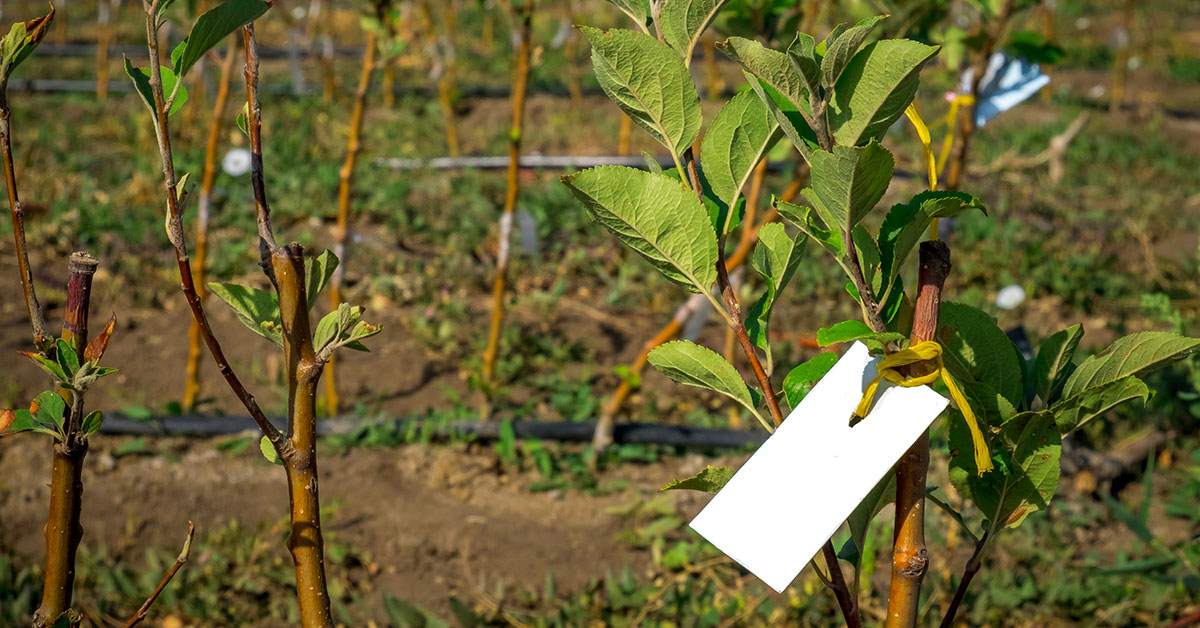

Welcome to the world of Asian Pears, also known as Nashi Pears! These delightful fruits, originating from East Asia, have gained popularity worldwide due to their crisp texture, unique flavor, and exceptional juiciness. If you are a gardening enthusiast looking to add a touch of exoticism to your orchard or backyard, growing Asian Pears is an excellent choice.
In this article, we will delve into the fascinating world of Asian Pear cultivation, exploring everything from selecting the right variety to nurturing your trees, and ultimately harvesting the bountiful rewards. Whether you are a novice gardener or an experienced horticulturist, join us on this journey as we unlock the secrets to successfully growing Asian Pears and enjoy the satisfaction of cultivating these delectable fruits in your own space.
What are Asian Pears (Nashi Pears)?
Asian pear, also known as Nashi pear, is a fruit tree that belongs to the Pyrus genus in the Rosaceae family. Originating from East Asia, particularly China, Japan, and Korea, Asian pears are highly valued for their crisp texture, juicy flesh, and sweet flavor. They are distinct from European pears in that they have a round shape, similar to that of an apple, and a thin, smooth skin that is often golden or yellow in color.
Asian pear trees are deciduous and can reach a height of 15 to 30 feet, depending on the variety and growing conditions. They have attractive, glossy green leaves that turn vibrant shades of yellow, orange, or red in the fall, adding to their ornamental value. The trees produce beautiful white flowers in the spring, which are not only visually appealing but also attract pollinators. When it comes to cultivation, Asian pears prefer well-drained soil with a slightly acidic to neutral pH. They require full sun exposure to thrive and produce abundant fruit.
These trees are known for their hardiness and can tolerate a wide range of temperatures, making them suitable for various climates. Asian pears are typically grafted onto rootstocks to improve their disease resistance and overall vigor. They are also known for being self-fertile, meaning that a single tree can produce fruit without the need for cross-pollination from another variety. However, planting multiple trees can increase fruit set and yield. The fruit of Asian pear trees is harvested when fully mature but still firm. Unlike European pears, Asian pears are best when eaten crisp and fresh. They have a refreshing, juicy texture and a delightful combination of sweetness and subtle acidity.
Asian pears can be enjoyed on their own, added to salads, used in desserts, or even used for making preserves and juices. Overall, Asian pears are a fantastic addition to any garden or orchard, offering not only delicious fruit but also beautiful foliage and flowers. With proper care and maintenance, these trees can provide bountiful harvests for many years to come.
What do Asian Pears (Nashi Pears) taste like?
Asian pears, also known as Nashi pears, have a unique and distinct flavor profile that sets them apart from other pear varieties. They are known for their crisp, juicy, and refreshing texture, which is often likened to that of an apple. The flavor of Asian pears is sweet, with a delicate balance of tartness, giving them a refreshing and mildly tangy taste.
The sweetness of Asian pears is often described as milder and less intense compared to other pear varieties. They have a subtle floral and honey-like aroma, which adds to their overall appeal. The flavor is often described as clean and bright, with a hint of citrus notes, making them a refreshing choice for those who prefer a lighter and less cloying taste.
One of the remarkable characteristics of Asian pears is their ability to retain their crispness even when fully ripe. This makes them enjoyable to eat both fresh and in various culinary applications. Their unique flavor profile makes Asian pears a versatile fruit that can be used in salads, desserts, or enjoyed on their own as a healthy snack.
Overall, the flavor profile of Asian pears is a delightful combination of sweetness, mild tartness, and a crisp texture, making them a popular choice among fruit enthusiasts.
How to start Asian Pears (Nashi Pears) from seeds
Starting Asian Pear (Nashi Pear) trees can be a rewarding and enjoyable experience. Here is a step-by-step guide to help you successfully grow Asian Pear trees:
- Variety Selection: Choose a suitable Asian Pear variety that is well-adapted to your climate and growing conditions. Some popular Asian Pear varieties include Hosui, Shinseiki, Chojuro, and Shinko. Consider factors such as chill hours, disease resistance, and pollination requirements when making your selection.
- Soil Preparation: Asian Pear trees prefer well-draining soil with a pH level between 6.0 and 7.0. Before planting, prepare the soil by removing any weeds or grass and loosening it to a depth of about 12 inches. Incorporate organic matter such as compost or well-rotted manure to improve soil fertility and drainage.
- Planting: The best time to plant Asian Pear trees is in early spring, after the danger of frost has passed. Dig a hole that is wide and deep enough to accommodate the tree’s root system. Place the tree in the hole, making sure that the graft union (the swollen area where the scion is attached to the rootstock) is above the soil line. Backfill the hole with soil, gently firming it around the roots.
- Support and Training: Asian Pear trees tend to have a spreading growth habit, so it’s important to provide support to prevent branches from breaking under the weight of fruit. Use stakes or trellises to support the tree and train the branches to grow in a desired shape. Prune the tree during the dormant season to maintain its shape and promote airflow.
- Watering: Newly planted Asian Pear trees require regular watering to establish their root system. Water deeply, providing enough moisture to reach the root zone. Once established, Asian Pear trees are moderately drought-tolerant but will benefit from regular watering during dry periods, especially when the fruit is developing.
- Fertilization: Asian Pear trees have moderate nutrient requirements. Apply a balanced fertilizer in early spring before new growth begins. Follow the manufacturer’s instructions for application rates. Avoid excessive nitrogen fertilization, as it can promote excessive vegetative growth at the expense of fruit production.
- Pollination: Most Asian Pear varieties are not self-pollinating, so you will need to plant at least two different compatible varieties for cross-pollination and fruit set. Be sure to select varieties that bloom at the same time to ensure successful pollination. Alternatively, you can also plant a self-fertile variety that does not require cross-pollination.
- Pest and Disease Management: Asian Pear trees can be susceptible to various pests and diseases, including pear psylla, codling moth, fire blight, and pear scab. Monitor your trees regularly for signs of infestation or disease and take appropriate measures to control them. This may include using organic insecticides, practicing good sanitation, and selecting disease-resistant varieties.
- Harvesting: Asian Pears are typically harvested when they are still firm and crisp, unlike European pears that are usually picked when fully ripe. Check the fruit regularly for ripeness by gently pressing near the stem. If it yields slightly, it is ready to be harvested. Harvest the fruit carefully to avoid bruising or damaging the tree.
By following these steps and providing proper care, you can enjoy the delicious fruits of your Asian Pear tree for many years to come. Happy gardening!
When to plant Asian Pears (Nashi Pears) outdoors
The ideal time to plant Asian Pear, also known as Nashi Pear, is during the late winter or early spring, before the tree starts to bud. This allows the tree to establish its root system before the onset of warmer weather and the growing season. Planting in late winter or early spring ensures that the tree has enough time to settle in and adapt to its new environment before the hot summer months.
Growing & care guide Asian Pears (Nashi Pears)
Caring for Asian Pear trees, also known as Nashi Pear trees, requires attention to several key factors. Here are some best practices to ensure the health and productivity of your Asian Pear tree:
- Planting: Choose a well-draining location with full sun exposure. Asian Pear trees prefer slightly acidic soil with a pH level between 6.0 and 7.0. Ensure the planting hole is wide and deep enough to accommodate the root system without crowding.
- Watering: Provide regular and consistent watering, especially during dry spells. Deep watering is crucial to encourage deep root growth. However, avoid overwatering, as it can lead to root rot. Mulching around the base of the tree helps retain moisture and suppresses weed growth.
- Fertilizing: Asian Pear trees benefit from regular fertilization. Apply a balanced fertilizer in early spring before new growth begins. Additionally, provide a nitrogen-rich fertilizer in late spring or early summer to support fruit development. Follow the manufacturer’s instructions for the appropriate dosage.
- Pruning: Prune Asian Pear trees during the dormant season, typically in late winter or early spring. Remove any dead, damaged, or diseased branches. Thin out crowded areas to improve air circulation and sunlight penetration. Pruning also helps maintain the desired shape and size of the tree.
- Pollination: Most Asian Pear varieties are not self-pollinating, meaning they require cross-pollination from another compatible Asian Pear tree to set fruit. Plant at least two different varieties within close proximity to ensure successful pollination. Bees and other pollinators are essential for transferring pollen between flowers, so avoid using pesticides that may harm them.
- Thinning: Once the fruit has formed, thinning is necessary to ensure larger and healthier pears. Remove excess fruit when they are about the size of a marble, leaving only one or two per cluster. This allows the remaining fruit to receive sufficient nutrients and sunlight, preventing overcrowding and promoting better quality harvest.
- Pest and Disease Control: Monitor your Asian Pear tree regularly for signs of pests or diseases. Common pests include aphids, pear psylla, and codling moths. Use organic pest control methods whenever possible, such as introducing beneficial insects or using insecticidal soaps. Proper sanitation, removing fallen leaves and fruit, helps prevent the spread of diseases like fire blight or pear scab.
- Harvesting: Asian Pears are typically ready for harvest when they have reached their full size and have a yellowish or golden color. Unlike European pears, Asian Pears are best when harvested slightly underripe. Gently twist or lift the fruit to detach it from the branch. Store harvested pears in a cool, dry place or refrigerate them to extend their shelf life.
By following these best practices, you can ensure the health and productivity of your Asian Pear tree, ultimately enjoying a bountiful harvest of delicious and juicy pears.
Harvesting guide for Asian Pears (Nashi Pears)
Asian pears, also known as Nashi pears, are delicious fruits that are typically harvested in late summer or early fall, depending on the specific variety and growing conditions. Here are some guidelines to help you know when and how to harvest Asian pears:
- Check for maturity: Asian pears should be harvested when they are fully mature but still firm. Unlike other pear varieties, Asian pears are best when picked before they are fully ripe. Look for a change in color from green to yellow or brown, depending on the variety. The fruit should also feel firm to the touch.
- Observe the fruit’s texture: Gently press your thumb against the skin of the pear. If it yields slightly but remains firm, it is likely ready for harvest. If it feels soft or mushy, it is overripe and should be avoided.
- Assess the taste: To determine if an Asian pear is ready to be harvested, taste one from the tree. The fruit should have a crisp and juicy texture with a sweet and slightly tart flavor. If it tastes bland or lacks sweetness, it may need more time to ripen on the tree.
- Harvesting technique: To harvest Asian pears, firmly grasp the fruit and gently twist it upwards. If the pear does not detach easily, it may not be fully matured yet, so leave it on the tree for a few more days before attempting to harvest again. Avoid pulling or tugging forcefully, as this can damage the tree or the fruit.
- Handle with care: Asian pears have delicate skin, so handle them gently to prevent bruising or damage. Place harvested pears in a shallow container or basket, being careful not to stack them on top of each other.
- Post-harvest storage: Asian pears can be stored for several weeks in a cool and dry location. Ideally, store them at temperatures between 32-40°F (0-4°C) with a humidity level of around 85%. This will help them retain their crispness and flavor.
Remember, Asian pears are best enjoyed when they are still firm and slightly underripe. If you prefer a softer texture, you can allow them to ripen at room temperature for a few days before consuming. Enjoy the delicious taste of your homegrown Asian pears!