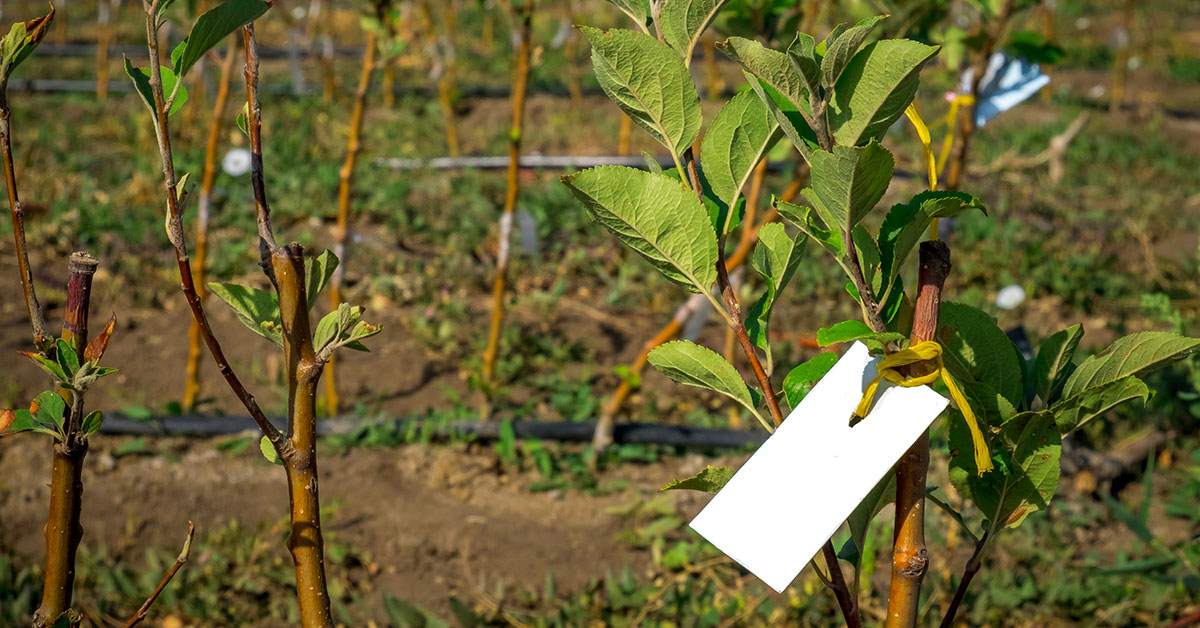

Welcome to the world of Anjou pears, where the sweet and succulent fruit meets the joy of gardening. Anjou pears, scientifically known as Pyrus communis, are a popular variety of pear trees that are cherished for their exceptional taste, versatility, and ease of cultivation.
Whether you are a seasoned gardener or a beginner with a green thumb, this article will guide you through the process of growing Anjou pears, from selecting the right cultivar and preparing the soil to nurturing the tree and harvesting the delectable fruits. Get ready to embark on a journey of cultivating these luscious pears, and discover the secrets to a successful Anjou pear tree in your very own garden.
What are Anjou Pears?
Anjou pear, also known as Beurré d’Anjou, is a popular variety of pear tree that produces delicious and versatile fruits. The Anjou pear is medium to large in size with a round and slightly squat shape. The skin of the pear is smooth and thin, transitioning from green to a yellowish-green color as it ripens. The flesh is juicy, creamy, and sweet, with a subtle hint of citrus flavor.
Anjou pears are known for their excellent storage capabilities, making them a favorite among growers and consumers alike. They can be harvested in late summer or early fall and stored for several months, maintaining their flavor and texture. This variety is often enjoyed fresh, but it can also be used in various culinary applications such as baking, poaching, or adding to salads and desserts. The Anjou pear tree is a hardy and vigorous grower, capable of reaching a height of 15 to 20 feet. It has a rounded and dense canopy, providing ample shade and beauty to any garden or orchard.
This variety is self-pollinating, but cross-pollination with another pear tree can increase fruit production. Anjou pear trees thrive in full sun and well-drained soil, and they are adaptable to a wide range of climates. Overall, Anjou pears are a delightful addition to any garden or orchard, offering a delicious and versatile fruit that can be enjoyed fresh or used in various culinary creations.
What do Anjou Pears taste like?
Anjou pears are known for their sweet and juicy flavor profile. They have a delicate and smooth texture with a slightly buttery undertone. The taste is often described as refreshingly sweet, with hints of citrus and subtle notes of vanilla. Anjou pears are not overly tart or acidic, making them enjoyable to eat fresh. They have a mild and pleasant aroma that adds to their overall appeal. The flavor of Anjou pears is versatile and pairs well with both sweet and savory dishes, making them a popular choice for cooking and baking.
How to start Anjou Pears from Seeds
Starting Anjou Pear trees can be done through grafting or growing them from seeds. However, grafting is the preferred method as it ensures that the tree will produce the desired fruit and maintain its characteristics. Here is a step-by-step guide on starting Anjou Pear trees through grafting:
- Select a healthy Anjou Pear scion: Choose a scion (a small branch or shoot) from a mature Anjou Pear tree that has the desired characteristics, such as disease resistance, fruit quality, and growth habit.
- Choose a compatible rootstock: Select a rootstock that is compatible with the Anjou Pear scion. Common rootstocks for pear trees include Pyrus calleryana, Pyrus betulaefolia, and Pyrus communis.
- Prepare the rootstock: If you are using a bare-root rootstock, soak it in water for a few hours before grafting. Trim the rootstock to a height of 12-18 inches (30-45 cm) and remove any lateral branches.
- Prepare the scion: Take a scion from the Anjou Pear tree, ensuring it is about 6-8 inches (15-20 cm) long and has at least three buds. Trim the scion to a wedge shape, making a 1-inch (2.5 cm) long sloping cut on one side.
- Make the grafting cut: On the rootstock, make a 1-inch (2.5 cm) long vertical cut using a sharp grafting knife or pruning shears. Then, make a matching sloping cut on one side of the vertical cut, creating a tongue-shaped notch.
- Insert the scion: Insert the wedge-shaped end of the scion into the tongue-shaped notch on the rootstock, ensuring that the cambium layers of both the scion and rootstock align. The cambium layer is the thin green layer just beneath the bark.
- Secure the graft: Use grafting tape or grafting rubber to tightly bind the scion and rootstock together. Make sure the binding is firm but not too tight to allow for some growth.
- Protect the graft: Apply grafting wax or grafting compound to seal the cut surfaces and protect the graft from drying out and infections.
- Provide proper care: Place the grafted pear tree in a warm and humid environment, such as a greenhouse or a protected area outdoors. Keep the soil consistently moist but not waterlogged. Provide partial shade to protect the graft from direct sunlight.
- Monitor and maintain: Regularly check the graft union for any signs of infection or failure. Remove any competing shoots or suckers that emerge from the rootstock. Once the graft has successfully taken, gradually expose the tree to outdoor conditions.
Remember, grafting is a skilled technique, and if you are not experienced, it is recommended to seek guidance from a local nursery or an experienced gardener.
When to plant Anjou Pears outdoors
The ideal time to plant Anjou Pear trees is in late winter or early spring, before the tree starts to bud or flower. This typically falls between February and April, depending on your specific climate and location. Planting during this time allows the tree to establish its root system before the onset of summer heat or winter frost. It is important to avoid planting during the hottest months of summer or during the dormant winter period when the ground is frozen.
Growing & care guide Anjou Pears
Caring for Anjou pear trees requires attention to several key factors, including proper planting, watering, fertilizing, pruning, and pest control. By following these best practices, you can ensure healthy growth and a bountiful harvest of delicious Anjou pears.
- Planting: Choose a well-drained location with full sun exposure for your Anjou pear tree. The soil should be fertile, loamy, and slightly acidic, with a pH level between 6.0 and 7.0. Dig a hole that is wide and deep enough to accommodate the tree’s root system. Place the tree in the hole, ensuring that the bud union (the swollen area where the tree was grafted onto the rootstock) is above the soil line. Backfill the hole with soil, gently firming it around the roots.
- Watering: Adequate and consistent watering is crucial for the establishment and growth of Anjou pear trees. Water deeply, providing enough moisture to reach the tree’s entire root zone. During the first year, water the tree regularly, especially during dry spells. Once established, water deeply every 7-10 days, depending on weather conditions. Avoid overwatering, as it can lead to root rot and other diseases.
- Fertilizing: Anjou pear trees benefit from regular fertilization to ensure optimal growth and fruit production. Apply a balanced fertilizer, such as a 10-10-10 or 14-14-14 formula, in early spring before new growth begins. Follow the package instructions for application rates based on the tree’s age and size. Avoid excessive nitrogen fertilization, as it can promote vegetative growth at the expense of fruit production.
- Pruning: Pruning is essential for maintaining the shape, size, and health of Anjou pear trees. Prune during the dormant season, preferably in late winter or early spring before new growth emerges. Remove any dead, damaged, or diseased branches. Thin out crowded areas to improve air circulation and sunlight penetration. Maintain an open center or modified central leader shape to allow for better fruiting. Prune back long, leggy branches to encourage lateral growth and fruiting spurs.
- Pest Control: Anjou pear trees are susceptible to various pests, including aphids, pear psylla, codling moth, and pear rust mites. Regularly inspect your trees for signs of infestation, such as distorted leaves, sticky residue, or damaged fruit. Use organic or chemical insecticides as necessary, following the instructions carefully. Implement cultural practices like removing fallen leaves and fruit to reduce pest habitat. Encourage beneficial insects, such as ladybugs and lacewings, which prey on common pests.
- Harvesting: Anjou pears are typically ready for harvest in late summer or early fall, depending on your climate. Harvest the fruit when it reaches maturity but is still firm. Gently twist or lift the pear, and if it separates easily from the branch, it is ready to be picked. Handle the fruit carefully to avoid bruising or damaging the skin. Store harvested pears in a cool, dark place to ripen fully.
By following these best practices for caring for Anjou pear trees, you can enjoy a thriving tree that produces abundant, flavorful fruit for years to come. Remember to adapt these guidelines to your specific climate and growing conditions for optimal results.
Harvesting guide for Anjou Pears
Anjou pears are typically harvested in late summer or early fall, depending on your specific climate and growing conditions. The best way to determine if Anjou pears are ready for harvest is by checking their color and firmness.
When the pears are mature and ready to be harvested, their skin color will change from bright green to a yellow-green or yellowish-brown. However, it’s important not to wait until the pears are fully yellow, as this may indicate overripeness. Instead, aim to harvest them when they have a slight green hue remaining.
To check the firmness of Anjou pears, gently press your thumb near the stem end. If the flesh gives slightly and then springs back, it is a good indication that the pears are ripe and ready to be picked. Avoid applying too much pressure, as it can bruise the fruit.
When harvesting Anjou pears, it’s recommended to use pruning shears or a sharp knife to cut the stem about half an inch above the fruit. This helps prevent damage to the pear and the tree. Avoid pulling or twisting the pears off the tree, as it can harm the branch or cause the fruit to bruise.
After harvesting, it’s essential to handle the pears with care to avoid any bruising or damage. Place them gently in a basket or box, making sure not to stack them too high to prevent crushing. It’s also advisable to store the pears in a cool, dark place with good ventilation to extend their shelf life.
Remember that not all pears on the tree will ripen at the same time, so it may be necessary to harvest them in multiple stages. By following these guidelines, you can enjoy delicious and perfectly ripe Anjou pears from your garden.