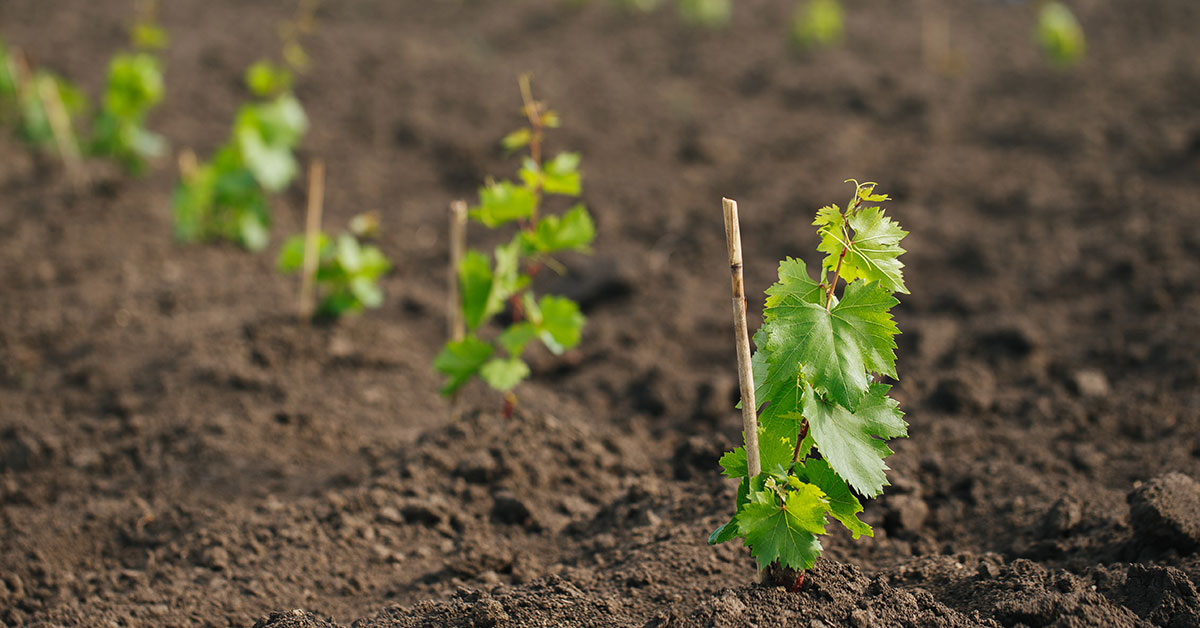

Welcome to the world of grape growing in Zone 7! If you’re a gardening enthusiast looking to cultivate your own vineyard or simply want to enjoy the beauty and bounty of grapevines in your backyard, understanding the ideal timing for planting grapes is crucial. Zone 7, which encompasses regions with average minimum temperatures ranging from 0°F to 10°F (-17.8°C to -12.2°C), offers a favorable climate for growing a variety of grape cultivars. In this article, we will delve into the specifics of when to plant grapes in Zone 7, taking into consideration the unique characteristics of this region and the optimal conditions required for successful grape cultivation.
Whether you’re a novice or an experienced gardener, this guide will equip you with the knowledge you need to kick-start your grape-growing journey in Zone 7.
Best grape varieties to grow in Zone 7
In Zone 7, which is characterized by mild winters and hot summers, several grape varieties thrive. Here are some grape varieties that are well-suited for growing in Zone 7:
- Cabernet Sauvignon: This red wine grape variety is known for its bold flavors and is well-suited for warmer climates like Zone 7. It requires a long growing season to fully ripen.
- Chardonnay: A popular white wine grape variety, Chardonnay can do well in Zone 7. It prefers a cooler climate, but with proper care and management, it can produce excellent results.
- Merlot: Another red wine grape variety, Merlot is known for its smooth and fruity flavors. It can tolerate a wide range of climates, including Zone 7, making it a versatile choice for growers.
- Muscadine: Muscadine grapes are native to the southeastern United States and are well-adapted to hot and humid climates. They are disease-resistant and produce sweet, flavorful grapes that are often used for making juice, wine, or preserves.
- Norton/Cynthiana: Norton, also known as Cynthiana, is a red wine grape variety that is native to North America. It is highly resistant to diseases and can thrive in Zone 7’s climate. Norton wines are known for their rich, full-bodied flavors.
- Viognier: This white wine grape variety is known for its aromatic and floral characteristics. It can handle warmer temperatures and is well-suited for Zone 7, where it can produce high-quality wines.
It’s important to note that while these grape varieties are well-suited for Zone 7, specific microclimates within the zone can vary. Therefore, it’s always a good idea to consult with local nurseries, agricultural extension offices, or experienced grape growers in your area for more specific recommendations based on your exact location.
When to plant grape vines in Zone 7
In Zone 7, the best time to plant grape vines is typically in early spring or late fall. However, it’s important to note that the exact timing may vary slightly depending on the specific state within Zone 7. Here’s a breakdown of the best planting times for grape vines in each of the states within Zone 7:
- Maryland: In Maryland, the best time to plant grape vines is in early spring, around late March to early April. This allows the vines to establish their root systems before the summer heat arrives.
- Virginia: In Virginia, the ideal time to plant grape vines is also in early spring, typically in March or early April. This timing allows the vines to take advantage of the spring rains and establish themselves before the hot summer months.
- North Carolina: In North Carolina, the best time to plant grape vines is in early spring, around late March to early April. This timing allows the vines to establish their roots before the summer heat and drought conditions.
- South Carolina: In South Carolina, the ideal time to plant grape vines is in early spring, typically in March or early April. This timing allows the vines to establish their root systems before the hot summer months.
- Georgia: In Georgia, the best time to plant grape vines is in early spring, around late March to early April. This timing allows the vines to establish their roots before the summer heat and humidity.
- Alabama: In Alabama, the ideal time to plant grape vines is in early spring, typically in March or early April. This timing allows the vines to establish their root systems before the hot summer months.
- Mississippi: In Mississippi, the best time to plant grape vines is in early spring, around late March to early April. This timing allows the vines to establish their roots before the summer heat and humidity.
It’s important to consider local weather conditions and frost dates when determining the best time to plant grape vines in each specific location within Zone 7. Additionally, it’s always a good idea to consult with local gardening experts or extension offices for more precise planting recommendations based on your specific area.
How to grow grapes in Zone 7
Growing grapes requires careful planning and attention to detail. Here are the steps and considerations involved in successfully growing grapes:
- Site Selection: Choose a location that receives full sun for at least 6-8 hours a day. Ensure good air circulation and choose a site with well-drained soil.
- Soil Preparation: Grapes prefer well-drained soil with a pH level between 6.0 and 6.5. Test the soil and amend it with organic matter, such as compost or well-rotted manure, to improve fertility and drainage.
- Variety Selection: Select grape varieties suitable for your climate and purpose. Consider factors like disease resistance, flavor, and intended use (eating, wine-making, or both). Consult with local nurseries or agricultural extension offices for recommendations.
- Planting: Plant grapevines in early spring or fall, when the soil is workable. Dig a hole deep and wide enough to accommodate the root system. Place the vine in the hole, ensuring the graft union (if present) is above the soil level. Backfill with soil, gently firming it around the roots.
- Trellis and Support: Grapes require support to grow vertically. Install a trellis system or provide a sturdy structure like a pergola or fence for the vines to climb. Prune and train the vines to the trellis system as they grow.
- Watering: Provide regular, deep watering to establish the vines. Water deeply once a week, ensuring the soil is evenly moist. Avoid overwatering, as grapes are susceptible to root rot.
- Fertilization: Apply balanced fertilizer in early spring, just before the vines start growing. Avoid excessive nitrogen, as it can promote excessive vegetative growth at the expense of fruit production. Follow the recommended dosage on the fertilizer package.
- Pruning: Pruning is essential for grapevines to maintain their shape, control growth, and maximize fruit production. Prune during late winter or early spring, removing old wood and shaping the vine. Consult pruning guides specific to your grape variety for detailed instructions.
- Pest and Disease Management: Grapes are susceptible to various pests and diseases, including aphids, birds, powdery mildew, and fungal infections. Monitor the vines regularly and take appropriate measures, such as using organic insecticides, netting to protect from birds, and applying fungicides if necessary.
- Harvesting: Grapes are ready for harvest when they reach their desired sweetness and color. Different grape varieties have different ripening times, so monitor the grapes closely. Harvest by cutting the bunches from the vine, leaving a small stem attached.
Remember, growing grapes requires patience and consistent care. Regular monitoring, proper pruning, and timely intervention will help you achieve a successful grape harvest.
When to harvest grapes
In Zone 7, the ideal time to pick grapes will depend on the specific grape variety you are growing. Generally, grape harvest occurs between late summer and early fall, typically from August to October. However, the exact timing can vary based on factors such as the grape variety, weather conditions, and desired ripeness level.
To determine the optimal harvest time, it is crucial to monitor the grapes closely. Look for signs of ripeness, such as changes in color, flavor development, and sugar content. Additionally, you can perform a simple taste test by sampling a few grapes to assess their sweetness and acidity.
Different grape varieties have different ripening periods, so it is essential to know the specific variety you are growing. Some common grape varieties suitable for Zone 7 include Concord, Chardonnay, Cabernet Sauvignon, and Merlot. Research the specific variety you have planted to understand its typical ripening time.
Remember that grapes do not all ripen at once, especially in larger vineyards. Therefore, it may be necessary to harvest grapes in multiple stages as they reach their optimal ripeness. This practice is particularly important for wine grapes, where different levels of ripeness can contribute to the complexity of the final product.
Overall, keeping a close eye on the grapes’ development and tasting them periodically will help you determine the best time to pick them in Zone 7.
Common grape vine problems and fixes
There are several common problems that grape vines may encounter during their growth. Here are some of them along with their potential fixes:
- Powdery Mildew: This fungal disease appears as a white powdery substance on the leaves, shoots, and fruit. To prevent or treat powdery mildew, ensure proper air circulation by pruning and spacing the vines adequately. Applying fungicides specifically formulated for powdery mildew can also help control the disease.
- Downy Mildew: Downy mildew causes yellow spots on the leaves, which eventually turn brown. To prevent or manage downy mildew, avoid overhead watering, as the disease thrives in moist conditions. Applying copper-based fungicides can also help control the spread of downy mildew.
- Black Rot: Black rot causes black, circular lesions on the fruit and leaves, leading to fruit decay. To prevent black rot, remove and destroy infected plant material promptly. Prune the vines to improve air circulation and apply fungicides during the growing season.
- Grapevine Leafhoppers: These small insects suck the sap from grapevine leaves, causing yellowing and curling. To control leafhoppers, introduce beneficial insects like ladybugs or lacewings to the garden. In severe cases, insecticidal soaps or neem oil can be used.
- Birds: Birds can be a significant problem, especially when the grapes ripen. To protect your grapes from birds, use netting or bird scare devices like reflective tape or scare-eye balloons. Harvesting the grapes as soon as they reach maturity can also minimize bird damage.
- Improper Pruning: Incorrect pruning can lead to reduced grape production and disease susceptibility. Ensure you understand the proper pruning techniques for your grape variety and prune during the dormant season. Consult pruning guides or seek advice from local experts to ensure you are pruning correctly.
Remember, prevention is often the best approach to managing grapevine problems. Regularly inspect your vines for signs of disease or pest infestation, and promptly address any issues that arise.