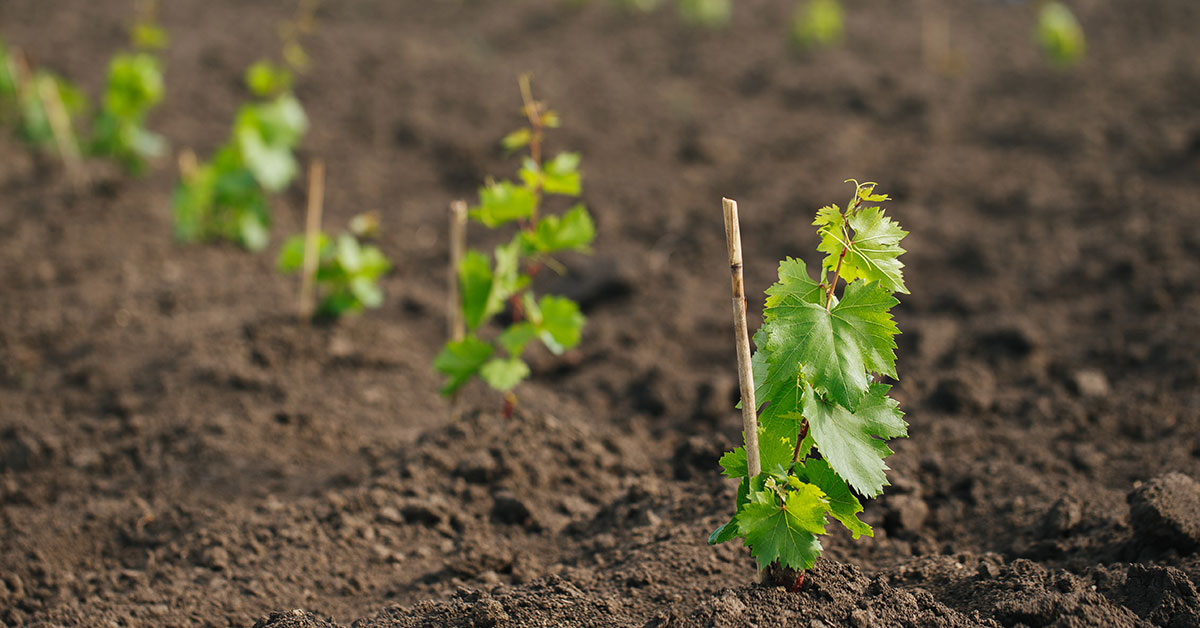

Welcome to the world of growing grapes in Zone 5! If you’re a gardening enthusiast residing in this region, you may be wondering when is the best time to plant grapes. Zone 5, which experiences cold winters and relatively short growing seasons, presents unique challenges and considerations for grape cultivation. However, with the right knowledge and planning, you can successfully grow a variety of grapevines that will thrive in this climate.
In this article, we will explore the optimal timing for planting grapes in Zone 5, taking into account the frost dates, soil conditions, and other factors that will contribute to the success of your grape-growing venture. Whether you’re a beginner or an experienced gardener, this guide will provide you with valuable insights and practical tips to ensure a bountiful grape harvest in your Zone 5 garden.
Best grape varieties to grow in Zone 5
In Zone 5, where the average minimum winter temperature ranges from -20 to -10 degrees Fahrenheit (-29 to -23 degrees Celsius), it is important to choose grape varieties that are cold hardy. Here are some grape varieties that are known to grow well in Zone 5:
- Concord: Concord grapes are a popular choice for home gardeners in Zone 5. They are hardy, disease-resistant, and produce deliciously sweet grapes that are great for fresh eating, juice, or jelly.
- Niagara: Niagara grapes are also well-suited for Zone 5. They are similar to Concord grapes but have a milder flavor. They are excellent for eating fresh, making juice, or even wine.
- Catawba: Catawba grapes are cold hardy and can tolerate the colder temperatures of Zone 5. They produce pinkish-red grapes that are often used for making wine, but they can also be enjoyed fresh.
- Marquette: Marquette is a cold-hardy hybrid grape variety that was developed specifically for northern climates. It is known for its ability to withstand harsh winters and produce high-quality red wine.
- Frontenac: Frontenac is another cold-hardy grape variety that is suitable for Zone 5. It produces dark red grapes that are used for making red wine with a rich flavor and good acidity.
- La Crescent: La Crescent is a white grape variety that is cold hardy and can thrive in Zone 5. It produces grapes with a tropical aroma and is often used for making white wine.
These are just a few examples of grape varieties that can grow well in Zone 5. It’s always a good idea to check with local nurseries or agricultural extension offices for more specific recommendations based on your exact location within Zone 5.
When to plant grape vines in Zone 5
In Zone 5, the best time to plant grape vines is in the early spring or late fall. However, it’s important to note that the exact timing may vary slightly depending on the specific state within Zone 5. Here are the recommended planting times for grape vines in each of the states within Zone 5:
- Illinois: In Illinois, it is best to plant grape vines in early spring, around April, or in late fall, around October. This allows the vines to establish their root systems before the summer heat or winter frost sets in.
- Indiana: In Indiana, the ideal time to plant grape vines is also in early spring, typically in April. This gives the vines enough time to establish themselves before the hot summer months.
- Iowa: In Iowa, it is recommended to plant grape vines in early spring, around April or May. This timing allows the vines to take advantage of the spring rains and establish strong roots before the summer heat arrives.
- Michigan: In Michigan, the best time to plant grape vines is in early spring, around April or May. This allows the vines to establish themselves before the summer heat and take advantage of the state’s long growing season.
- Minnesota: In Minnesota, it is advisable to plant grape vines in late spring, typically in May or early June. This timing ensures that the vines are not exposed to late spring frosts and gives them enough time to establish before the colder winter months.
- Missouri: In Missouri, the ideal time to plant grape vines is in early spring, around March or April. This allows the vines to establish their root systems before the hot summer months.
- Ohio: In Ohio, it is best to plant grape vines in early spring, typically in April. This timing allows the vines to establish themselves before the summer heat and take advantage of the state’s moderate climate.
- Wisconsin: In Wisconsin, the recommended time to plant grape vines is in early spring, around April or May. This timing allows the vines to establish themselves before the summer heat and take advantage of the state’s relatively short growing season.
It’s important to consider local weather conditions and frost dates when determining the exact planting time for grape vines in each state. Additionally, it is always beneficial to consult with local gardening experts or agricultural extension offices for specific recommendations based on your location within Zone 5.
How to grow grapes in Zone 5
Growing grapes requires careful planning and attention to detail. Here are the steps and considerations for successfully growing grapes:
- Climate and Site Selection: Grapes thrive in regions with a Mediterranean climate, characterized by warm summers and mild winters. Choose a site with full sun exposure, good air circulation, and well-drained soil. Avoid low-lying areas prone to frost or excessive moisture.
- Grape Variety Selection: Select grape varieties that are suitable for your climate and intended use. Consider factors such as flavor, disease resistance, and whether you want table grapes or grapes for winemaking.
- Soil Preparation: Prepare the soil by removing weeds, rocks, and debris. Grapes prefer slightly acidic to neutral soil with a pH range of 6.0 to 7.0. Test the soil and amend it with organic matter, such as compost or well-rotted manure, to improve fertility and drainage.
- Planting: Plant grapevines in early spring or late fall, when the soil is workable. Dig a hole deep and wide enough to accommodate the root system. Place the vine in the hole, making sure the graft union (if present) is above the soil level. Backfill the hole, firm the soil gently, and water thoroughly.
- Trellis and Support: Grapes need support to grow vertically and maximize sunlight exposure. Install a trellis system or a sturdy support structure, such as a pergola or wires attached to posts, before planting. Train the vines to grow along the trellis as they grow.
- Pruning and Training: Pruning is essential for grapevines to maintain their shape, control growth, and promote fruit production. Prune during the dormant season, typically in late winter or early spring. Train the main trunk and select the strongest canes to form the permanent framework of the vine.
- Watering: Provide regular watering during the growing season, especially during dry spells. Grapes need about 1 inch of water per week, but be cautious not to overwater, as excessive moisture can lead to fungal diseases.
- Fertilization: Apply a balanced fertilizer in early spring, before bud break, to provide essential nutrients. Avoid excessive nitrogen, as it can promote excessive vegetative growth at the expense of fruit production.
- Pest and Disease Management: Monitor the vineyard regularly for pests such as aphids, mites, and birds. Use organic or chemical controls as necessary. Common grape diseases include powdery mildew, downy mildew, and botrytis. Follow a regular spray program using appropriate fungicides to prevent or control these diseases.
- Harvesting: Grapes are ready for harvest when they reach their desired sugar content and flavor. Different grape varieties have different ripening times, so monitor the grapes closely. Harvest by cutting the grape clusters from the vine, leaving a small stem attached.
By following these steps and considering the specific needs of your grape variety, you can successfully grow healthy grapevines and enjoy a bountiful harvest.
When to harvest grapes
In Zone 5, the ideal time to pick grapes will depend on the specific grape variety you are growing. However, as a general guideline, most grape varieties in Zone 5 are ready for harvest between late August and early October.
To determine the exact harvest time for your grapes, it is important to consider the following factors:
- Grape Variety: Different grape varieties have different maturation periods. Some varieties, such as early-ripening grapes like ‘Himrod’ or ‘Swenson Red’, may be ready for harvest as early as late August. Others, like ‘Concord’ or ‘Cabernet Sauvignon’, may require more time and be ready for harvest in late September or early October.
- Taste and Sugar Content: Grapes should be harvested when they reach their desired taste and sugar content. This can be determined by regularly tasting the grapes as they approach maturity. The ideal sugar content for most table grapes is around 16-18% Brix, while wine grapes may require higher sugar levels.
- Color and Firmness: The color of the grapes can also be an indicator of their readiness for harvest. For example, red grape varieties should have developed their characteristic color, while green or white grape varieties should have turned slightly translucent. Additionally, grapes should have a firm texture and not be too soft or mushy.
- Weather Conditions: Keep an eye on the weather forecast as harvest time approaches. If frost or heavy rain is expected, it is advisable to harvest the grapes a bit earlier to avoid damage.
Remember that these are general guidelines, and it is always recommended to consult specific resources or local experts for more precise information about the grape varieties you are growing in your Zone 5 area.
Common grape vine problems and fixes
There are several common problems that grape growers may encounter when cultivating grape vines. Here are a few of them along with their potential fixes:
- Powdery Mildew: Powdery mildew is a fungal disease that appears as a white powdery coating on the leaves, shoots, and fruit. To combat this issue, ensure proper air circulation by pruning the vines to allow sunlight to reach the interior. Additionally, apply fungicides labeled for powdery mildew control at the first signs of infection.
- Downy Mildew: Downy mildew is another fungal disease that affects grapevines, causing yellow spots on the upper leaf surface and a downy growth on the undersides. To prevent downy mildew, plant disease-resistant grape varieties and maintain good airflow by pruning. Apply fungicides labeled for downy mildew control when necessary.
- Grapevine Leafroll Disease: Grapevine leafroll disease is caused by a virus and results in the curling and reddening of leaves. Unfortunately, there is no cure for this disease. The best approach is to plant certified virus-free grapevines and practice strict sanitation measures to prevent the spread of the virus.
- Grapevine Trunk Diseases: Various trunk diseases, such as Eutypa dieback and Esca, can cause decline and death of grapevines. To prevent trunk diseases, practice proper pruning techniques, avoid excessive pruning wounds, and promptly remove and destroy infected wood. Fungicide treatments may also be applied preventatively.
- Birds: Birds can be a significant problem, especially during the ripening stage when they feed on the grapes. To protect your crop, use netting or bird scare devices, such as reflective tape or scare balloons, to deter birds from damaging the fruit.
- Overwatering or Underwatering: Both overwatering and underwatering can negatively impact grapevines. Overwatering can lead to root rot and other fungal diseases, while underwatering can cause stress and poor fruit development. Ensure the vines receive adequate water by monitoring soil moisture levels and adjusting irrigation accordingly.
Remember, prevention is key in maintaining healthy grapevines. Regular monitoring, proper pruning, and timely application of appropriate treatments can help prevent many common grapevine problems.\