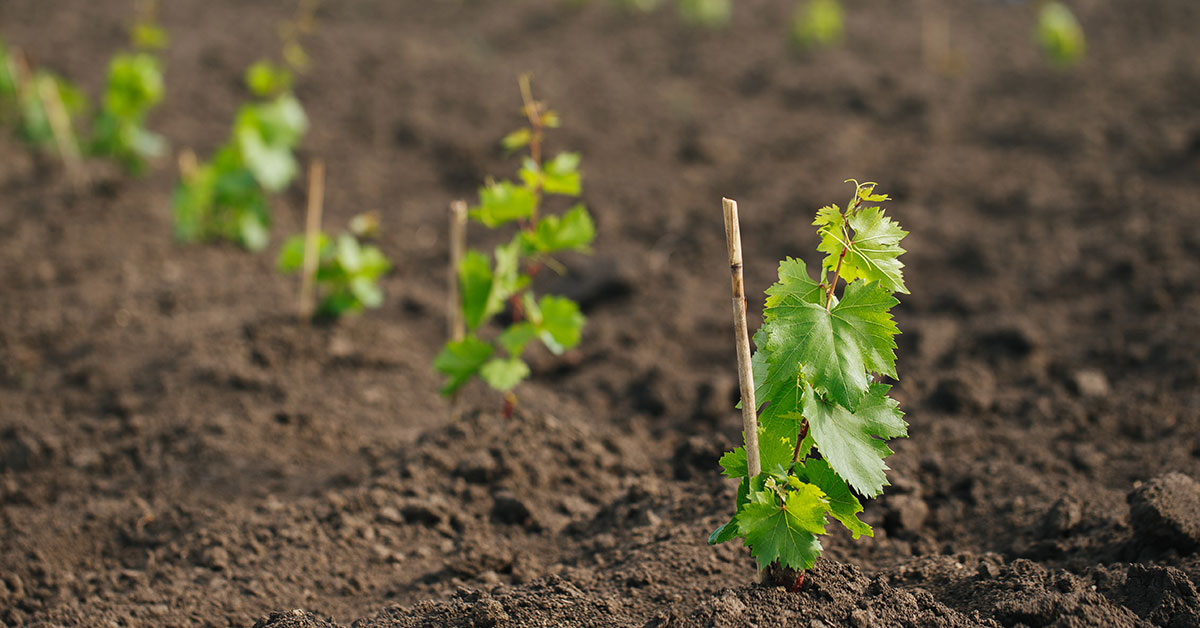

Welcome to the world of grape cultivation in Zone 2! Growing grapes in colder climates can be a rewarding and challenging endeavor. Zone 2, characterized by its harsh winters and short growing season, presents unique considerations for grape growers. Timing is crucial when it comes to planting grapes in this zone, as the right planting window can greatly impact the success of your vineyard. In this article, we will delve into the factors to consider and the optimal timeframes for planting grapes in Zone 2.
Whether you are a seasoned grape grower or a beginner looking to embark on this exciting journey, this guide will provide you with the knowledge and insights necessary to make informed decisions and achieve a bountiful grape harvest in Zone 2.
Best grape varieties to grow in Zone 2
In Zone 2, which is characterized by extremely cold winters and short growing seasons, it can be challenging to grow grapes. However, there are a few grape varieties that have shown some success in such harsh conditions. Here are a few grape varieties that are known to be more cold-hardy and can potentially thrive in Zone 2:
- Valiant: Valiant is a popular grape variety for cold climates. It is a blue-black grape that is resistant to many diseases and can withstand temperatures as low as -40°F (-40°C). It produces small to medium-sized berries and is suitable for both eating fresh and making juice or jelly.
- Beta: Beta is another cold-hardy grape variety that can tolerate temperatures down to -35°F (-37°C). It is a blue-black grape with medium-sized berries and is often used for making juice or wine.
- Frontenac: Frontenac is a red grape variety that is known for its excellent cold-hardiness, withstanding temperatures as low as -30°F (-34°C). It produces small to medium-sized clusters of grapes and is commonly used for making red wine.
- Marquette: Marquette is a red grape variety that is a hybrid of Pinot Noir and Frontenac. It is highly cold-hardy, withstanding temperatures down to -30°F (-34°C). Marquette grapes are often used for making red wine and have good disease resistance.
- Prairie Star: Prairie Star is a white grape variety that is well-suited for cold climates. It can tolerate temperatures as low as -30°F (-34°C) and produces medium-sized clusters of grapes. Prairie Star grapes are commonly used for making white wine.
It’s important to note that while these grape varieties are more cold-hardy, they still require proper care and protection during the winter months. Providing adequate winter protection, such as mulching and covering the vines, can help increase their chances of survival in Zone 2. Additionally, selecting grape varieties that are specifically bred for cold climates can greatly improve your chances of success.
When to plant grape vines in Zone 2
In Zone 2, which is characterized by very cold winters and short growing seasons, the best time to plant grape vines is in the spring, after the last frost has passed. This is typically around late April or early May. Planting in the spring allows the vines to establish their root systems during the warmer months, which helps them survive the harsh winter conditions.
For other hardiness zones, here are the recommended planting times:
- Zone 3: Similar to Zone 2, it is best to plant grape vines in the spring after the last frost, usually in late April or early May.
- Zone 4: In Zone 4, where winters are still quite cold but the growing season is slightly longer, you can plant grape vines in either the spring or fall. Spring planting is preferred to give the vines a head start, but if you miss the spring window, you can also plant in early fall, around September.
- Zone 5: In Zone 5, where winters are milder and the growing season is longer, you have more flexibility in planting times. Spring planting is still recommended, but you can also plant in early fall, around September.
- Zone 6: In Zone 6, where winters are relatively mild and the growing season is even longer, you can plant grape vines in either the spring or fall. Spring planting is ideal, but fall planting can also be successful if done early enough, around September.
It’s important to note that these are general guidelines, and local weather conditions and microclimates can vary within each hardiness zone. It’s always a good idea to consult with local gardening experts or extension services for more specific planting recommendations based on your exact location.
How to grow grapes in Zone 2
Growing grapes involves several steps and considerations. Here is a general guide to help you get started:
- Climate and site selection: Grapes thrive in areas with a Mediterranean-like climate, with warm summers and mild winters. Choose a site with full sun exposure, good air circulation, and well-drained soil.
- Grape variety selection: Select grape varieties that are suitable for your climate and intended use (eating, winemaking, or both). Consult with local nurseries or agricultural extension services to determine the best varieties for your region.
- Soil preparation: Grapes prefer well-drained soil with a pH level between 5.5 and 7.0. Test your soil and amend it with organic matter, such as compost or well-rotted manure, to improve its fertility and drainage.
- Planting: Plant grapevines in early spring or late fall, when the soil is workable. Dig a hole deep enough to accommodate the roots and wide enough to spread them out. Place the vine in the hole, backfill with soil, and gently firm it around the roots. Space the vines according to the variety’s recommended distance.
- Trellis and support system: Grapes need a trellis or support system to grow vertically and maximize sunlight exposure. Install sturdy posts and wires to support the vines as they grow. Train the main stem along the trellis and secure it with ties.
- Pruning: Pruning is essential for grapevines to maintain their shape, promote airflow, and control yield. Prune during the dormant season (late winter or early spring) to remove old wood and shape the vine. Consult pruning guides specific to your grape variety for proper techniques.
- Watering: Grapes require regular watering, especially during dry periods. Provide deep, infrequent waterings to encourage deep root growth. Avoid overhead watering, as wet foliage can lead to diseases. Mulching around the base of the vine helps retain moisture and suppress weeds.
- Fertilization: Grapevines benefit from balanced fertilization. Apply a slow-release, organic fertilizer in early spring and again in late spring or early summer. Avoid excessive nitrogen fertilizers, as they can promote excessive vegetative growth at the expense of fruit production.
- Pest and disease management: Monitor your grapevines regularly for pests such as aphids, mites, and grapevine moths. Use organic pest control methods whenever possible. Common grape diseases include powdery mildew, downy mildew, and black rot. Proper pruning, good airflow, and regular inspection can help prevent and manage these issues.
- Harvesting: Grapes are ready for harvest when they reach their desired sweetness and color. Different grape varieties have different ripening times, so monitor the grapes closely. Harvest by cutting the bunches from the vine, leaving a short stem attached.
Remember, this is a general guide, and specific grape varieties may have unique requirements. Always consult local resources, experienced grape growers, or agricultural extension services for region-specific advice.
When to harvest grapes
In Zone 2, which is characterized by very cold winter temperatures, it can be challenging to grow grapes successfully. However, if you have chosen cold-hardy grape varieties suitable for this zone, you can plan to pick grapes in late summer or early fall.
The exact timing of grape harvest will depend on the specific grape variety you are growing. Generally, grapes in Zone 2 will ripen between late August and early October. It is important to monitor the grapes closely as they approach maturity to ensure you pick them at the optimal time.
To determine if the grapes are ready for harvest, you can use a combination of visual and taste indicators. Look for changes in color, as most grapes will darken or change to their specific color when ripe. Additionally, taste a few grapes to assess their sweetness. Grapes should have a good balance of sweetness and acidity when ready for harvest.
Keep in mind that weather conditions and the specific microclimate of your garden can influence the ripening time. It is always a good idea to consult with local gardening experts or experienced grape growers in your area to get more precise information about the best time to pick grapes in Zone 2.
Common grape vine problems and fixes
There are several common problems that grape growers may encounter when growing grape vines. Here are some of them along with their potential fixes:
- Powdery Mildew: Powdery mildew is a fungal disease that appears as a white powdery coating on leaves, shoots, and fruit. To control powdery mildew, ensure proper air circulation by pruning the vines to allow sunlight penetration and reduce humidity. Apply fungicides specifically formulated for powdery mildew control, following the instructions carefully.
- Downy Mildew: Downy mildew is another fungal disease that affects grapevines, causing yellow spots on leaves and a fuzzy growth on the undersides. Control measures include planting resistant grape varieties, providing good air circulation, and applying appropriate fungicides.
- Black Rot: Black rot is a fungal disease that causes black, circular lesions on leaves and fruit. To manage black rot, remove and destroy infected plant material, practice proper pruning to improve air circulation, and apply fungicides at the recommended intervals.
- Grapevine Leafhoppers: These small insects feed on grapevine leaves, causing yellowing and curling. Use insecticidal soaps or horticultural oils to control leafhoppers, or introduce natural predators like ladybugs or lacewings.
- Birds: Birds can be a significant problem, especially during fruiting season. Use bird netting or scare devices like reflective tape or scarecrows to deter birds from damaging the fruit.
- Overcropping: Overcropping occurs when there are too many grape clusters on a vine, leading to poor fruit quality and reduced vigor. To prevent overcropping, thin out excess clusters early in the growing season, leaving only a manageable number per vine.
- Improper Pruning: Incorrect pruning can lead to issues such as reduced fruit production, poor air circulation, and disease susceptibility. Learn proper pruning techniques for grapevines, including the right time to prune, and follow recommended practices for your specific grape variety.
- Nutrient Deficiencies: Grapevines require specific nutrients for healthy growth. Common deficiencies include nitrogen, potassium, and magnesium. Conduct soil tests to identify nutrient deficiencies and amend the soil accordingly with organic fertilizers or targeted mineral supplements.
Remember, prevention is key to maintaining healthy grapevines. Regular monitoring, proper cultural practices, and timely intervention can help prevent or mitigate many common grapevine problems.