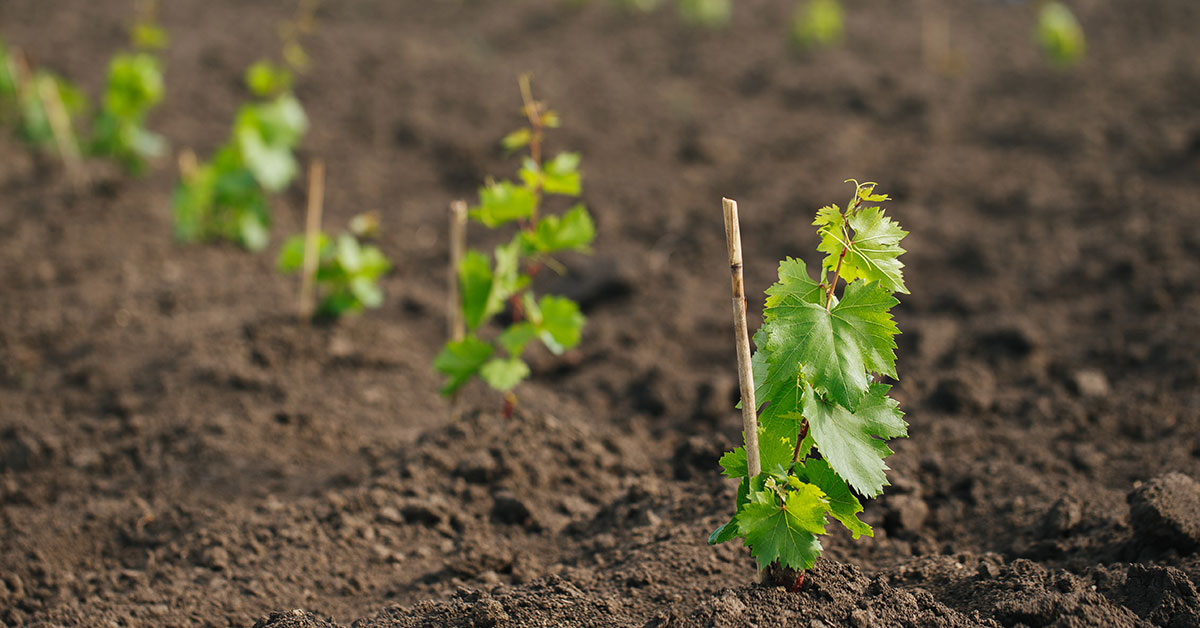

Zone 1, characterized by its extremely cold and harsh climate, poses unique challenges for gardeners and grape enthusiasts. However, with careful planning and the right knowledge, it is possible to successfully grow grapes in this challenging zone. Timing is crucial when it comes to planting grapes, as they require specific conditions to thrive and produce a bountiful harvest. In this article, we will delve into the intricacies of planting grapes in Zone 1, discussing the optimal time to plant, important considerations, and essential tips to ensure your grapevines flourish in this challenging environment.
Whether you are a seasoned gardener or a novice looking to embark on a grape-growing adventure, this comprehensive guide will equip you with the knowledge needed to achieve success in Zone 1.
Best grape varieties to grow in Zone 1
In Zone 1, which is characterized by extremely cold temperatures and short growing seasons, it can be challenging to grow grapes. However, some grape varieties are more cold-hardy and can thrive in these conditions. Here are a few grape varieties that have shown some success in Zone 1:
- Valiant: Valiant is a cold-hardy grape variety that can withstand temperatures as low as -40°F (-40°C). It is known for its disease resistance and ability to produce good-quality fruit even in challenging climates.
- Frontenac: Frontenac is another cold-hardy grape variety that can tolerate temperatures as low as -30°F (-34°C). It is resistant to common grape diseases and can produce flavorful red wine.
- Marquette: Marquette is a hybrid grape variety that is well-suited for cold climates. It can withstand temperatures as low as -30°F (-34°C) and produces high-quality red wine with good acidity and complex flavors.
- La Crescent: La Crescent is a cold-hardy grape variety that can tolerate temperatures as low as -25°F (-32°C). It is known for its aromatic qualities and is often used to produce white wine with tropical fruit flavors.
It’s important to note that even with these cold-hardy grape varieties, proper site selection, soil preparation, and winter protection measures are crucial for successful grape cultivation in Zone 1. Consulting with local experts or contacting your local agricultural extension office can provide you with more specific information tailored to your exact location.
When to plant grape vines in Zone 1
In Zone 1, which is characterized by extremely cold winters and short growing seasons, the best time to plant grape vines is in the spring, after the last frost date. This is typically around late April or early May. Planting in the spring allows the grape vines to establish their root systems before the harsh winter conditions set in.
It’s important to note that these are general guidelines, and specific planting times may vary depending on local climate conditions and the specific grape varieties being planted. It’s always a good idea to consult with local gardening experts or agricultural extension offices for more precise planting recommendations in your specific area.
How to grow grapes in Zone 1
Growing grapes requires careful planning and attention to detail. Here are the steps and considerations involved in successfully growing grapes:
- Climate and Site Selection: Grapes thrive in regions with a Mediterranean climate, characterized by warm summers and mild winters. Choose a site with full sun exposure, good air circulation, and well-drained soil. Avoid low-lying areas prone to frost or excessive moisture.
- Grape Variety Selection: Select grape varieties that are well-suited to your climate and desired purpose, whether it’s for eating, winemaking, or raisins. Consult with local nurseries or agricultural extension services to determine the best varieties for your region.
- Soil Preparation: Prepare the soil by removing weeds, rocks, and debris. Grapes prefer slightly acidic to neutral soil with a pH range of 5.5 to 7.0. Test the soil and amend it as necessary with organic matter, such as compost or well-rotted manure, to improve drainage and fertility.
- Planting: Plant grapevines in early spring or fall, when the soil is workable. Dig a hole deep and wide enough to accommodate the root system. Place the vine in the hole, ensuring the graft union (if present) is above the soil level. Backfill the hole with soil, gently firming it around the roots. Space the vines according to the variety’s recommended spacing guidelines.
- Trellis and Support: Install a trellis system or support structure before planting the vines. Grapes need support to grow vertically and to facilitate proper air circulation. Common trellis systems include the high-cordon, low-cordon, or pergola. Ensure the trellis is sturdy enough to support the weight of the vines and fruit.
- Pruning and Training: Pruning is essential for grapevines to maintain their shape, control growth, and maximize fruit production. Prune during the dormant season, removing old wood and shaping the vine. Train the main trunk and lateral canes along the trellis wires, using clips or ties to secure them.
- Watering: Provide regular and consistent watering, especially during the growing season. Grapes require deep watering to encourage root growth, but avoid overwatering, as it can lead to root rot. Use drip irrigation or soaker hoses to deliver water directly to the root zone.
- Fertilization: Apply a balanced fertilizer in early spring before bud break, following the recommended dosage for your specific grape variety. Avoid excessive nitrogen fertilization, as it can promote excessive vegetative growth at the expense of fruit production.
- Pest and Disease Management: Monitor your grapevines regularly for pests such as aphids, mealybugs, and birds. Use organic pest control methods whenever possible, such as introducing beneficial insects or using insecticidal soaps. Preventive measures, such as proper pruning and good air circulation, can also help reduce the risk of fungal diseases like powdery mildew and downy mildew.
- Harvesting: Grapes are typically ready for harvest in late summer or early fall, depending on the variety. Harvest when the grapes have reached their desired sweetness and color. Taste-testing is the best way to determine ripeness. Cut the grape clusters from the vine using sharp pruning shears.
Remember, growing grapes requires patience and consistent care. Regular monitoring, proper pruning, and attention to environmental conditions will help ensure a successful grape harvest.
When to harvest grapes
In Zone 1, which experiences very cold temperatures, it can be challenging to grow grapes successfully. However, if you have chosen cold-hardy grape varieties suitable for this zone, you can plan to pick grapes in late summer or early fall, typically around September. The exact timing may vary depending on the specific grape variety you are growing, as well as the prevailing weather conditions in your area. It is essential to monitor the grapes closely and harvest them when they reach their desired level of ripeness, which can be determined by taste, color, and sugar content.
Common grape vine problems and fixes
There are several common problems that grape vines may encounter, along with their respective fixes:
- Powdery Mildew: This fungal disease appears as a white powdery coating on leaves, shoots, and fruit. To control powdery mildew, ensure proper air circulation by pruning vines to allow sunlight penetration and reduce humidity. Apply fungicides specifically formulated for grapevines according to the manufacturer’s instructions.
- Downy Mildew: This disease causes yellow spots on leaves, which eventually turn brown and die. To prevent downy mildew, maintain good air circulation, avoid overhead watering, and apply fungicides labeled for grapevines.
- Black Rot: Black rot causes black circular lesions on leaves, stems, and fruit. Prune vines to improve air circulation and remove infected plant material. Apply fungicides during the growing season as a preventive measure.
- Grapevine Leafroll Disease: This viral disease causes leaves to curl and turn red or purple. There is no cure for leafroll disease, so prevention is key. Plant certified virus-free grapevines and ensure proper sanitation practices to avoid spreading the virus.
- Grape Phylloxera: These tiny insects feed on grapevine roots, causing stunted growth and decline. Use rootstock resistant to phylloxera when planting new vines. If infestation occurs, grafting onto resistant rootstock may be necessary.
- Birds: Birds can damage grape clusters, especially during ripening. Use netting or bird scare devices to protect the fruit. Harvesting grapes as soon as they reach maturity can also minimize bird damage.
- Improper Pruning: Incorrect pruning can lead to reduced yields and disease susceptibility. Learn proper pruning techniques for your grape variety and prune during the dormant season to remove dead wood, improve air circulation, and maintain vine structure.
- Nutrient Deficiencies: Grapevines require specific nutrients for healthy growth. Conduct soil tests to identify deficiencies and amend the soil accordingly. Common deficiencies include nitrogen, potassium, and magnesium.
Remember, prevention is often the best approach to maintaining healthy grapevines. Regular monitoring, proper cultural practices, and timely intervention can help prevent or minimize many common grapevine problems.