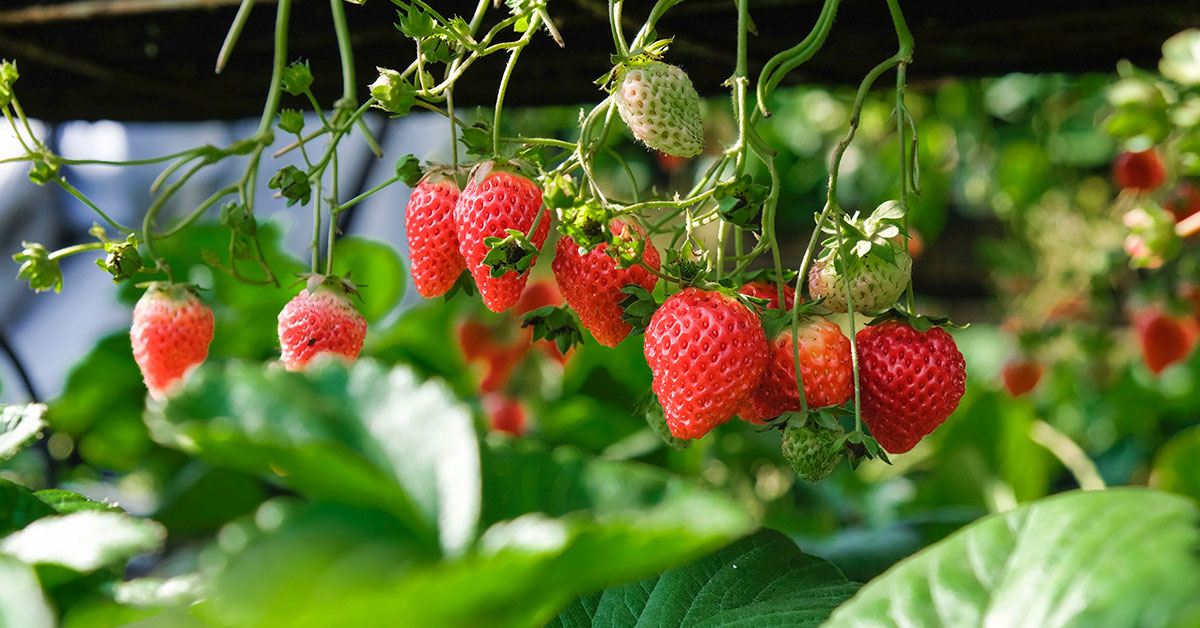

Strawberries, with their luscious red hue and irresistible sweetness, are a quintessential delight of the warmer months. The pursuit of plucking a strawberry at the precise moment of perfection is both an art and a science. As gardeners and enthusiasts know, the difference between an underripe and overripe strawberry can impact the taste, texture, and overall enjoyment of this delectable fruit. Whether you’re cultivating your own strawberry patch or selecting them at a farmers’ market, mastering the art of knowing when to pick strawberries will elevate your culinary experiences and bring the essence of sweetness to your table.
When to pick strawberries
Picking strawberries at the right time is essential to ensure they are sweet, flavorful, and at their peak ripeness. The timing for picking strawberries can vary based on the specific variety, local climate, and growing conditions. Here are some general guidelines for when to pick strawberries:
- Color and Appearance: Strawberries should be fully red all over, including the top and sides. Avoid picking strawberries that are still mostly green or white, as they may not have fully developed their sweetness.
- Ease of Detachment: When you gently tug a ripe strawberry, it should easily detach from the stem without any resistance. If it requires significant effort, it might not be fully ripe yet.
- Time of Day: The best time to pick strawberries is in the morning when they are cool and the sugar content is highest. Avoid picking during the heat of the day, as strawberries can become overripe and soft quickly.
- Frequency of Harvest: Check your strawberry plants every 2 to 3 days during the peak harvest season. Strawberries can ripen quickly, so regular harvesting ensures you don’t miss out on perfectly ripe fruits.
- Taste Test: If you’re unsure whether a strawberry is ready, taste-testing is a reliable method. Pick a couple of strawberries and sample them. If they are sweet, juicy, and flavorful, the rest of the berries on the plant are likely ready as well.
It’s important to note that strawberries do not continue to ripen after being picked. They should be picked when fully ripe to ensure the best flavor and texture. If you plan to store them for a short period, do so in the refrigerator to maintain their freshness.
Overall, the criteria of color, ease of detachment, and taste should be your main indicators when determining if strawberries are ready for picking. By following these guidelines and listening to your taste buds, you’ll enjoy the delightful experience of harvesting and savoring perfectly ripe strawberries from your garden.
How to tell if your strawberries are ripe
Determining the ripeness of a strawberry is a sensory experience that involves a combination of visual cues, touch, and even scent. Here’s how to tell if a strawberry is ripe and ready to be enjoyed:
Color: A ripe strawberry is vibrant and uniformly red all over. While some varieties might have slight variations in color, avoid strawberries that are mostly green or white, as they are likely underripe.
Shine: Ripe strawberries have a natural sheen or gloss to their skin. This indicates that the fruit is juicy and fully developed.
Texture: Gently run your fingers over the strawberry’s surface. Ripe strawberries should feel smooth and plump, without any noticeable wrinkles or soft spots.
Firmness: Give the strawberry a gentle squeeze. It should be firm but not hard. If it’s too soft or mushy, it might be overripe or starting to spoil.
Cap and Stem: Check the green cap and stem of the strawberry. If the cap is fresh, green, and firmly attached to the fruit, it’s a good indicator of ripeness. If the cap is brown, dried out, or easily detached, the strawberry may be overripe or past its prime.
Aroma: Lift the strawberry to your nose and take a gentle sniff. Ripe strawberries emit a sweet, fruity aroma. If the strawberry doesn’t have much scent, it might not be fully ripe.
Taste Test: If you’re still uncertain, a taste test can confirm the strawberry’s ripeness. A ripe strawberry will burst with juicy sweetness and flavor when you bite into it.
Ease of Detachment: Gently twist the strawberry off the stem. If it comes off the stem easily with a slight tug, it’s likely ripe. If it requires significant effort, it might not be fully ripe yet.
It’s important to remember that strawberries do not continue to ripen after being picked. They should be picked at their peak of ripeness for the best flavor and texture. If you’re harvesting strawberries from your garden or purchasing them at a farmers’ market, using these guidelines will help you select strawberries that are ready to be enjoyed as nature intended—juicy, sweet, and bursting with flavor.
Storing strawberries after picking
Storing strawberries properly after picking is crucial to maintain their freshness, flavor, and quality. Here’s how to store freshly picked strawberries to extend their shelf life and enjoy them at their best:
Don’t Wash Immediately: Avoid washing strawberries right after picking. Moisture can lead to mold growth and spoilage. Wait until you’re ready to consume or use them before washing.
Sort and Remove: Examine the strawberries and remove any that are damaged, overripe, or showing signs of mold. This prevents the spread of spoilage to the rest of the batch.
Refrigeration: Place the unwashed strawberries in a single layer on a paper towel-lined tray or container. Cover them loosely with plastic wrap or a lid. Then, store the container in the refrigerator’s crisper drawer.
Temperature: Keep the refrigerator set at around 32 to 36°F (0 to 2°C) to slow down the ripening process and preserve the strawberries’ freshness.
Avoid Moisture: Moisture is the enemy of strawberries. To prevent excess moisture, do not wash the berries until you’re ready to use them. Also, avoid storing them in airtight containers without proper ventilation, as this can trap moisture and cause mold growth.
Ventilation: If you have a container with a lid, make sure it has small ventilation holes or leave a small gap for air circulation. This helps to prevent condensation from forming inside the container.
Use Quickly: Strawberries are delicate and perishable, so try to use them within a few days of picking for the best flavor and quality.
Freezing: If you have more strawberries than you can consume in a few days, consider freezing them. Wash, hull, and pat dry the strawberries before spreading them in a single layer on a baking sheet. Once frozen, transfer the berries to an airtight freezer-safe bag or container. Frozen strawberries are great for smoothies, baked goods, and sauces.
Keep Tops Intact: To prevent moisture from entering the fruit, leave the green tops on until you’re ready to use the strawberries.
Remember that strawberries are highly perishable and have a relatively short shelf life compared to other fruits. Proper storage is essential to keep them fresh and delicious. By following these steps, you can enjoy the flavor and sweetness of freshly picked strawberries for a longer period.