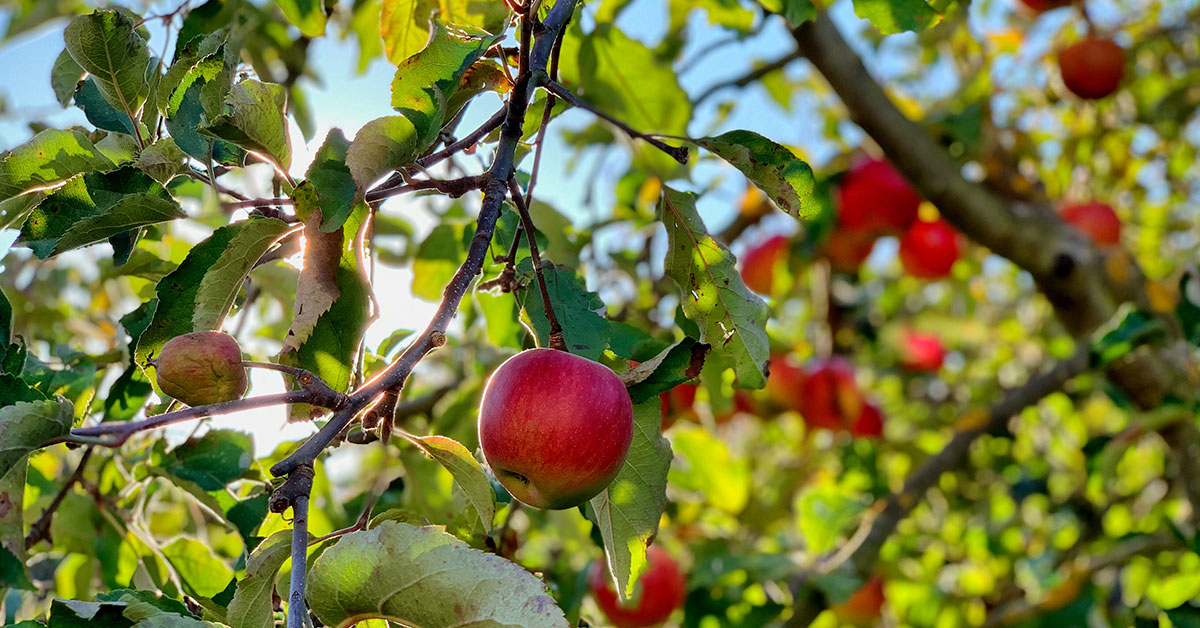

Welcome to our comprehensive guide on when to plant apple trees in Maryland! As a gardening expert with a specific focus on apple tree cultivation, we understand the importance of choosing the right time to establish these delightful fruit-bearing trees in your garden. Maryland’s unique climate and weather patterns play a crucial role in determining the ideal planting season, ensuring the successful growth and development of your apple trees.
In this article, we will delve into the factors that influence the timing of planting apple trees, including temperature, frost dates, and soil conditions. By the end, you will have a clear understanding of when to embark on this exciting journey of apple tree cultivation in the beautiful state of Maryland. So, let’s dig in and discover the perfect time to plant apple trees for a bountiful harvest!
Best apple varieties to grow in Maryland
In Maryland, several apple varieties thrive due to the state’s climate and growing conditions. Here are some apple varieties that are known to grow well in Maryland:
- ‘Granny Smith’: Known for its tart flavor and excellent storage capabilities, Granny Smith apples are a popular choice in Maryland. They require a long growing season and can tolerate the state’s hot summers.
- ‘Fuji’: Fuji apples are crisp, sweet, and have a long shelf life. They are well-suited to Maryland’s climate, and their late-season harvest makes them a great choice for home gardeners.
- ‘Honeycrisp’: Honeycrisp apples are known for their exceptional crispness and sweet-tart flavor. They grow well in Maryland and are usually ready for harvest in early fall.
- ‘Golden Delicious’: This classic apple variety is a reliable choice for Maryland gardeners. Golden Delicious apples are sweet, juicy, and have a thin skin. They are suitable for eating fresh, baking, or making applesauce.
- ‘Jonagold’: Jonagold apples are a cross between Jonathan and Golden Delicious varieties. They have a perfect balance of sweet and tart flavors, making them a favorite for both eating fresh and cooking. They grow well in Maryland’s climate.
- ‘Pink Lady’: Pink Lady apples are known for their distinctive pinkish-red skin and crisp texture. They have a sweet-tart flavor and are excellent for eating fresh or using in salads. They can be successfully grown in Maryland.
- ‘Stayman’: Stayman apples are a popular choice in Maryland due to their excellent flavor and adaptability to the state’s climate. They have a tart taste and are great for baking, cider making, or eating fresh.
It’s important to note that while these apple varieties generally grow well in Maryland, specific factors such as soil type, sunlight exposure, and local microclimates can influence their success. Consulting with local nurseries or agricultural extension services can provide more precise recommendations based on your specific location within Maryland.
When to plant apple trees in Maryland
In Maryland, the best time to plant apple trees varies slightly depending on the specific hardiness zone. Maryland is divided into three main hardiness zones: Zone 6 in the western part of the state, Zone 7 in the central region, and Zone 8 in the southernmost parts. Here are the recommended planting times for each zone:
- Zone 6 (Western Maryland):
The best time to plant apple trees in Zone 6 is in early spring, typically between late March and early April. This allows the tree to establish its roots before the hot summer months. - Zone 7 (Central Maryland):
In Zone 7, the ideal time to plant apple trees is also in early spring, but you can extend the planting window slightly. Planting can be done from late March to mid-April, giving the tree enough time to settle in before the summer heat arrives. - Zone 8 (Southern Maryland):
In Zone 8, the planting time for apple trees can be a bit more flexible due to the milder winters and longer growing seasons. You can plant apple trees in both early spring (late March to mid-April) or in the fall (late September to early October). Fall planting allows the tree to establish roots before winter, and it can start growing vigorously in the following spring.
Regardless of the zone, it’s crucial to avoid planting apple trees during the hottest part of summer or during freezing winter conditions. By planting during the recommended times, you give the apple trees the best chance to establish themselves and thrive in Maryland’s climate.
How to grow apple trees in Maryland
Growing apple trees requires careful planning and attention to detail. Here are the steps and considerations for successfully growing apple trees:
- Variety Selection: Choose apple tree varieties that are suitable for your climate and growing conditions. Consider factors such as disease resistance, pollination requirements, and desired fruit characteristics.
- Site Selection: Select a location with full sun exposure (at least 6-8 hours of direct sunlight per day) and well-drained soil. Avoid low-lying areas prone to frost pockets or areas with poor air circulation.
- Soil Preparation: Apple trees prefer slightly acidic soil with a pH between 6.0 and 7.0. Test your soil and amend it accordingly with organic matter, such as compost or well-rotted manure, to improve drainage and fertility.
- Planting: Dig a hole that is wide and deep enough to accommodate the tree’s root system. Place the tree in the hole, ensuring that the graft union (swollen area where the scion and rootstock meet) is above the soil line. Backfill the hole, gently firming the soil around the roots.
- Pruning: Prune apple trees during the dormant season to shape the tree, remove dead or diseased wood, and improve air circulation. Pruning also helps stimulate fruit production and maintain tree health.
- Watering: Provide regular and consistent watering, especially during dry periods. Apple trees require about 1-2 inches of water per week. Avoid overwatering, as it can lead to root rot.
- Fertilization: Apply a balanced fertilizer, such as a 10-10-10 or 14-14-14, in early spring before new growth begins. Follow the recommended application rates based on the tree’s age and size. Avoid excessive nitrogen fertilization, as it can promote vegetative growth at the expense of fruit production.
- Pest and Disease Management: Monitor your apple trees regularly for common pests like aphids, codling moths, and apple maggots. Implement integrated pest management strategies, including cultural practices, biological controls, and targeted pesticide applications if necessary. Also, be vigilant about common apple diseases like apple scab, powdery mildew, and fire blight. Use disease-resistant varieties, practice good sanitation, and consider applying appropriate fungicides.
- Pollination: Most apple trees require cross-pollination from another compatible apple variety to set fruit. Ensure that you have at least two different apple tree varieties that bloom at the same time to facilitate pollination. Alternatively, you can plant a self-fertile apple variety that doesn’t require cross-pollination.
- Harvesting: Apples are typically ready for harvest in late summer or early fall, depending on the variety. Harvest when the fruit color is fully developed, and the apples easily detach from the tree with a gentle twist. Store apples in a cool, dark, and well-ventilated area to maximize their shelf life.
Remember to consult local gardening resources or seek advice from experienced apple growers in your area for specific guidance tailored to your region’s conditions.
When to harvest apples in Maryland
In Maryland, the ideal time to pick apples typically falls between late August and early November, depending on the variety of apple tree you have. Different apple varieties have different maturation periods, so it’s important to know the specific variety you are growing. Here are some general guidelines for popular apple varieties in Maryland:
- Early-season varieties: These apples are usually ready for picking in late August to early September. Examples include Lodi, Paula Red, and Ginger Gold.
- Mid-season varieties: These apples are typically ripe for picking in September. Examples include Jonathan, Empire, and Honeycrisp.
- Late-season varieties: These apples are usually ready for picking in October to early November. Examples include Granny Smith, Fuji, and Pink Lady.
To determine the best time to pick your apples, keep an eye on their color, firmness, and taste. Apples should have reached their full color, be firm to the touch, and have a sweet or tart flavor depending on the variety. Additionally, you can perform a simple maturity test by cutting an apple open and checking the seeds. If the seeds are dark brown, it’s a good indication that the apples are ready for harvest.
Remember, these timeframes are general guidelines, and the exact picking dates can vary based on weather conditions and the specific microclimate of your orchard. It’s always a good idea to consult with local orchards or agricultural extension services for more precise information about apple picking in your specific area of Maryland.
Common apple tree problems and fixes
There are several common problems that apple trees may encounter, along with corresponding fixes. Here are a few:
- Pest infestation: Apple trees can be susceptible to pests like aphids, codling moths, and apple maggots. To address this issue, you can use insecticidal soaps or horticultural oils to control aphids. For codling moths, you can apply pheromone traps or use insecticides specifically designed for these pests. Apple maggots can be controlled by placing sticky traps or using insecticides labeled for their control.
- Disease: Apple trees can suffer from diseases such as apple scab, powdery mildew, and fire blight. To combat apple scab, you can choose disease-resistant apple varieties, prune infected branches, and apply fungicides during the growing season. Powdery mildew can be controlled by ensuring good air circulation around the tree, removing infected leaves, and using fungicides if necessary. Fire blight can be managed by pruning infected branches, disinfecting pruning tools between cuts, and applying copper-based sprays during the dormant season.
- Nutrient deficiencies: Apple trees may experience deficiencies in nutrients like nitrogen, phosphorus, and potassium. Conduct a soil test to determine the specific nutrient deficiencies and then address them accordingly. You can apply balanced fertilizers or organic amendments to provide the necessary nutrients.
- Improper pollination: Apple trees require cross-pollination between different varieties for optimal fruit set. If your tree is not producing fruit, it may be due to a lack of compatible pollinators nearby. Planting another apple tree of a different variety within close proximity can help ensure proper pollination.
- Watering issues: Over or under-watering can cause stress to apple trees. It is important to maintain consistent soil moisture levels. Water deeply and infrequently, ensuring the soil is well-drained. Mulching around the base of the tree can help retain moisture and regulate soil temperature.
Remember, prevention is key to maintaining healthy apple trees. Regularly inspect your trees for signs of pests, diseases, or nutrient deficiencies, and take appropriate action promptly to prevent problems from escalating.