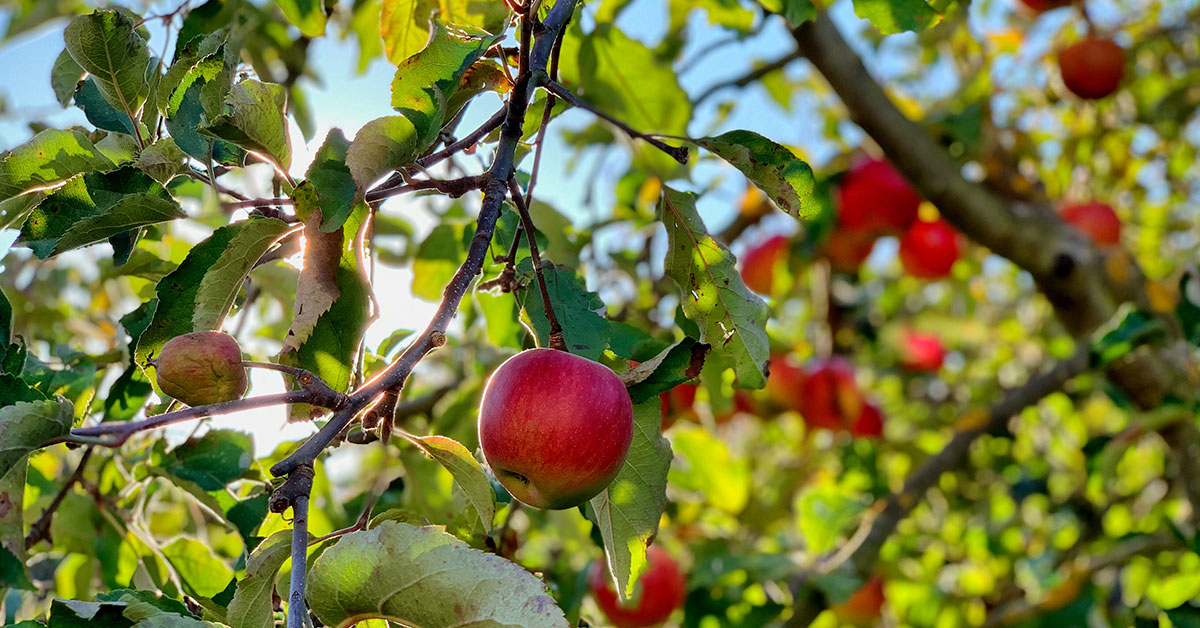

Welcome to our comprehensive guide on planting apple trees in Illinois! As gardening enthusiasts, we understand the excitement and anticipation that comes with growing your own apple trees. Whether you are a seasoned gardener or a beginner, this article aims to provide you with the knowledge and insights needed to successfully plant apple trees in Illinois. With its diverse climate and rich soil, Illinois offers an ideal environment for apple cultivation.
However, timing is crucial when it comes to planting apple trees, as it greatly influences their growth, health, and overall productivity. In this article, we will delve into the factors that affect the timing of planting apple trees in Illinois, discuss the best time to plant them, and provide essential tips to ensure your apple trees thrive in this Midwestern state. So, let’s dive in and discover the perfect time to embark on your apple-growing journey in Illinois!
Best apple varieties to grow in Illinois
In Illinois, some apple varieties that grow well are:
- Honeycrisp: Known for its crisp texture and sweet-tart flavor, Honeycrisp apples thrive in Illinois’ climate. They require well-drained soil and full sun exposure.
- Gala: Gala apples are popular for their mild and sweet flavor. They are relatively easy to grow and adapt well to Illinois’ climate.
- Jonagold: This apple variety is a cross between Jonathan and Golden Delicious. Jonagold apples have a sweet-tart flavor and are excellent for eating fresh or baking. They are well-suited to Illinois’ climate.
- Fuji: Fuji apples are known for their firm texture and sweet flavor. They require a longer growing season, making them suitable for southern parts of Illinois.
- Granny Smith: Although Granny Smith apples prefer a warmer climate, they can still be grown successfully in Illinois. These tart and crisp apples are excellent for baking and cooking.
It’s important to note that different apple varieties have different chilling requirements and adaptability to specific regions within Illinois. Consulting with local nurseries or agricultural extension offices can provide more specific recommendations based on your location within the state.
When to plant apple trees in Illinois
In Illinois, the best time to plant apple trees varies slightly depending on the specific hardiness zone. Here are the recommended planting times for each zone:
- Zone 5a: This zone covers the northernmost parts of Illinois, including cities like Rockford and Galena. The best time to plant apple trees in Zone 5a is in early spring, typically in April. This allows the trees to establish their root systems before the summer heat arrives.
- Zone 5b: This zone covers central Illinois, including cities like Peoria and Springfield. The ideal time to plant apple trees in Zone 5b is also in early spring, around April. However, if the weather conditions permit, you can also consider planting in late fall, around October. Fall planting gives the trees a head start in root development before winter dormancy.
- Zone 6a: This zone covers southern Illinois, including cities like Carbondale and Marion. In Zone 6a, the best time to plant apple trees is similar to Zone 5b. Early spring, around April, is the optimal time for planting. However, fall planting in October can also be considered if the weather allows.
It’s important to note that these are general guidelines, and weather conditions can vary from year to year. It’s always a good idea to monitor the soil temperature and weather forecasts before planting. Additionally, selecting apple tree varieties that are suitable for your specific hardiness zone is crucial for successful growth and fruit production.
How to grow apple trees in Illinois
Growing apple trees requires careful planning and attention to detail. Here are the steps and considerations to keep in mind:
- Selecting the Right Variety: Choose apple tree varieties that are suitable for your climate, considering factors such as chilling hours, disease resistance, and pollination requirements. Consult with local nurseries or agricultural extension offices for recommendations.
- Site Selection: Apple trees require a sunny location with well-drained soil. Avoid low-lying areas prone to frost or areas with poor air circulation. Ensure the soil pH is between 6.0 and 7.0, as apple trees prefer slightly acidic to neutral soil.
- Soil Preparation: Prepare the planting site by removing weeds, rocks, and debris. Loosen the soil to a depth of at least 12 inches and amend it with organic matter, such as compost or well-rotted manure, to improve drainage and fertility.
- Planting: Dig a hole wide and deep enough to accommodate the tree’s roots without bending or crowding them. Place the tree in the hole, ensuring the bud union (the swollen area where the tree was grafted onto the rootstock) is above the soil line. Backfill the hole with soil, gently firming it around the roots. Water thoroughly after planting.
- Pruning: Prune apple trees during the dormant season (late winter or early spring) to remove dead, damaged, or crossing branches. Pruning helps maintain tree shape, improve air circulation, and promote fruit production. Consult pruning guides or seek advice from local experts to learn proper pruning techniques.
- Watering: Provide regular and deep watering, especially during dry spells. Newly planted apple trees require more frequent watering until their root systems establish. Avoid overwatering, as it can lead to root rot.
- Fertilizing: Apply a balanced fertilizer, such as a 10-10-10 or 14-14-14 formulation, in early spring before new growth begins. Follow the package instructions for application rates. Avoid excessive nitrogen fertilization, as it can promote vegetative growth at the expense of fruit production.
- Pest and Disease Management: Monitor apple trees regularly for pests like aphids, codling moths, and apple maggots. Use organic pest control methods whenever possible, such as insecticidal soaps or horticultural oils. Apply dormant oil sprays in late winter to smother overwintering pests. Implement disease prevention strategies, including proper sanitation, regular pruning to improve air circulation, and the use of disease-resistant apple varieties.
- Pollination: Most apple trees require cross-pollination with another compatible apple variety to produce fruit. Plant at least two different apple tree varieties within close proximity to ensure successful pollination. Be mindful of the bloom times and pollination groups of the selected varieties.
- Harvesting: Apples are typically ready for harvest in late summer or fall, depending on the variety. Harvest when the fruit color is fully developed, and the apples easily detach from the tree with a gentle twist. Store apples in a cool, dark, and well-ventilated area to prolong their shelf life.
Remember, growing apple trees can be a long-term commitment, as it takes several years for the trees to mature and produce a significant crop. Patience, proper care, and attention to detail will reward you with healthy apple trees and delicious fruit.
When to harvest apples in Illinois
In Illinois, the ideal time to pick apples generally falls between late August and early November, depending on the apple variety. The specific harvest time can vary based on factors such as weather conditions, apple variety, and the specific location within Illinois. It is recommended to consult with local orchards or agricultural extension services for the most accurate information regarding apple picking times in your specific area of Illinois.
Common apple tree problems and fixes
There are several common problems that apple trees may face during their growth. Here are a few along with their potential fixes:
- Pest infestation: Apple trees can be susceptible to various pests such as aphids, codling moths, apple maggots, and mites. Regularly inspect your trees for signs of infestation, like distorted leaves, webbing, or holes in the fruit. Use organic insecticides or introduce beneficial insects like ladybugs or lacewings to control the pests.
- Disease: Apple trees can suffer from diseases like apple scab, powdery mildew, fire blight, and cedar apple rust. To prevent these diseases, choose disease-resistant apple tree varieties, maintain proper spacing between trees for good airflow, and prune regularly to remove infected branches. Applying organic fungicides or copper sprays at appropriate times can also help control diseases.
- Poor fruit production: If your apple tree is not producing an adequate amount of fruit, it could be due to insufficient pollination. Ensure that there are compatible apple tree varieties nearby for cross-pollination. You can also hand-pollinate the flowers using a small brush or transfer pollen from one flower to another.
- Nutrient deficiencies: Apple trees require proper nutrition to thrive. Common nutrient deficiencies include nitrogen, phosphorus, and potassium. Conduct a soil test to determine the nutrient levels and apply appropriate fertilizers accordingly. Organic options like compost, well-rotted manure, or balanced organic fertilizers can help replenish nutrients.
- Watering issues: Over or under-watering can cause stress to apple trees. Ensure that the soil is well-drained and water deeply but infrequently, allowing the top few inches of soil to dry out between watering. Mulching around the base of the tree can help retain moisture and regulate soil temperature.
- Sunlight requirements: Apple trees require full sun exposure (at least 6-8 hours per day) to produce healthy fruit. If your tree is not receiving enough sunlight due to shading from nearby structures or trees, consider pruning or transplanting to a more suitable location.
Remember, prevention is key to maintaining healthy apple trees. Regularly monitor your trees, practice good sanitation by removing fallen leaves and fruit, and provide proper care to minimize the occurrence of problems.