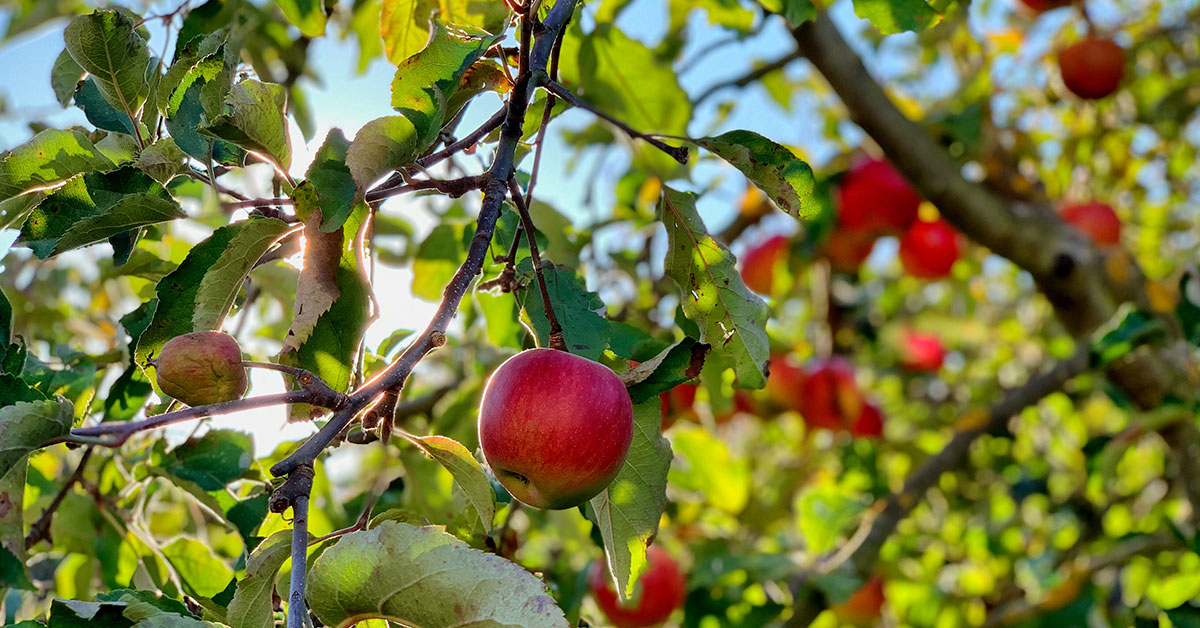

Washington, the Evergreen State, is renowned for its picturesque landscapes, diverse climate, and bountiful orchards. Among the numerous fruits cultivated here, apples reign supreme, with the state producing over two-thirds of the nation’s apple crop. Whether you’re a seasoned gardener or a novice enthusiast, growing apple trees in Washington can be a rewarding and fruitful endeavor. However, to ensure the success of your apple orchard, it is crucial to understand the optimal timing for planting these trees.
In this article, we will delve into the factors that influence the ideal planting time for apple trees in Washington, providing you with the knowledge and confidence to embark on a journey towards a thriving apple orchard.
Best apple varieties to grow in Washington
Washington is known for its ideal climate and soil conditions for apple cultivation. Some of the apple varieties that grow best in Washington include:
- Red Delicious: This is one of the most popular apple varieties grown in Washington. It has a sweet and crisp flavor and is excellent for eating fresh or in salads.
- Gala: Gala apples are another favorite in Washington. They have a mild and sweet flavor with a crisp texture. They are great for eating fresh and also work well in baking.
- Fuji: Fuji apples are known for their sweet and juicy flavor. They have a firm texture and are excellent for eating fresh, baking, or making applesauce.
- Honeycrisp: Honeycrisp apples are highly sought after for their unique combination of sweet and tart flavors. They have a crisp texture and are perfect for eating fresh or using in salads.
- Granny Smith: Although originally from Australia, Granny Smith apples thrive in Washington’s climate. They have a tart and tangy flavor, making them ideal for baking and cooking.
- Pink Lady: Pink Lady apples have a sweet and tangy flavor with a crisp texture. They are excellent for eating fresh and also work well in baking and cooking.
These are just a few examples of apple varieties that grow well in Washington. The state is known for producing a wide range of apple varieties, so there are many options to choose from based on personal taste preferences and desired uses.
When to plant apple trees in Washington
In Washington state, the best time to plant apple trees varies depending on the specific hardiness zone. Washington is divided into several hardiness zones, including zones 5 through 9. Here’s a breakdown of the best planting times for each zone:
- Zone 5: The best time to plant apple trees in Zone 5, which includes areas such as Spokane and the northeastern part of the state, is in early spring, around March or April. This allows the tree to establish its root system before the summer heat arrives.
- Zone 6: In Zone 6, which covers areas like Seattle, Tacoma, and Olympia, the ideal time to plant apple trees is also in early spring, around March or April. This timing ensures that the tree has enough time to establish itself before the warmer months.
- Zone 7: For Zone 7, including regions like Vancouver and southwestern Washington, the best time to plant apple trees is in early spring, similar to Zones 5 and 6. Aim for March or April to give the tree a good start before the summer heat.
- Zone 8: In Zone 8, which includes areas like the Puget Sound region, the best time to plant apple trees is in late winter or early spring, around February or March. This allows the tree to establish its roots before the warmer weather arrives.
- Zone 9: In Zone 9, which covers the southeastern part of Washington, including Walla Walla and the Tri-Cities area, the best time to plant apple trees is in late winter or early spring, similar to Zone 8. Aim for February or March to give the tree ample time to establish itself.
Regardless of the specific hardiness zone, it’s important to avoid planting apple trees during the hottest parts of summer or the coldest parts of winter. Planting in the recommended time frames allows the tree to establish a strong root system and adapt to its new environment before facing extreme weather conditions.
How to grow apple trees in Washington
Growing apple trees requires careful planning and attention to detail. Here are the steps and considerations to keep in mind:
- Selecting the right variety: Choose an apple tree variety that is suitable for your climate, as some varieties require specific chilling hours or heat tolerance. Consider factors like disease resistance, pollination requirements, and desired fruit characteristics.
- Choosing a suitable location: Apple trees thrive in full sun, so select a spot in your garden that receives at least six hours of direct sunlight per day. Ensure the soil is well-draining and rich in organic matter.
- Preparing the soil: Test the soil pH and make sure it falls within the range of 6.0 to 7.0. If necessary, amend the soil with organic matter like compost or well-rotted manure to improve its fertility and drainage.
- Planting the tree: Dig a hole that is wide and deep enough to accommodate the tree’s roots. Place the tree in the hole, making sure the bud union (the swollen area where the tree was grafted onto the rootstock) is above the soil line. Backfill the hole with soil, gently firming it around the roots.
- Watering: After planting, water the tree thoroughly to settle the soil and ensure good root-to-soil contact. Provide regular watering during the first year, especially during dry periods, to establish a strong root system.
- Pruning: Prune the tree during the dormant season to shape it, remove dead or diseased branches, and improve airflow. Pruning also helps maintain the tree’s size and encourages fruit production.
- Fertilizing: Apply a balanced fertilizer in early spring before new growth begins. Follow the recommended application rates on the fertilizer package, considering the age and size of the tree. Avoid over-fertilizing, as it can lead to excessive vegetative growth at the expense of fruit production.
- Pest and disease management: Monitor the tree regularly for signs of pests like aphids, codling moths, or apple maggots. Use organic pest control methods whenever possible, such as introducing beneficial insects or using horticultural oils. Similarly, be vigilant for diseases like apple scab or powdery mildew and take appropriate preventive measures, such as applying fungicides if necessary.
- Pollination: Most apple trees require cross-pollination with another compatible apple variety to produce fruit. Ensure you have at least one other apple tree nearby, or choose self-fertile varieties that do not require a pollination partner.
- Harvesting: Apples are ready for harvest when they have reached their full color and can be easily twisted off the tree. Different apple varieties have different maturity times, so consult the specific variety’s guidelines for the best harvest timing.
Remember, growing apple trees is a long-term commitment, and it may take several years before your tree starts producing abundant fruit. Patience and consistent care will eventually reward you with a bountiful harvest.
When to harvest apples in Washington
In Washington, the ideal time to pick apples depends on the variety of apple tree you have. Here are some general guidelines:
- Early-season varieties: These apples typically ripen in late July to early August. Examples include Lodi, Gravenstein, and Transparent. It’s best to pick them when they are firm and have reached their full color.
- Mid-season varieties: These apples usually ripen from late August to early September. Examples include Gala, Honeycrisp, and Jonagold. They should be picked when they are firm, fully colored, and have a slight give when gently pressed.
- Late-season varieties: These apples ripen from September to October. Examples include Fuji, Granny Smith, and Pink Lady. They should be left on the tree until they are fully colored and have a slightly softer texture.
It’s important to note that these timeframes can vary depending on the specific microclimate in your area and the weather conditions of the year. To determine the best time to pick apples, it’s recommended to monitor the fruit’s color, firmness, and taste regularly.
Common apple tree problems and fixes
Common problems when growing apple trees include:
- Pest infestation: Apple trees can be affected by pests such as aphids, codling moths, apple maggots, and mites. Regularly inspect your trees for signs of infestation, and if detected, use appropriate organic insecticides or insecticidal soaps to control the pests.
- Disease: Apple trees are susceptible to diseases like apple scab, powdery mildew, fire blight, and cedar apple rust. To prevent diseases, choose disease-resistant apple tree varieties, maintain good air circulation by pruning, and apply organic fungicides when necessary.
- Lack of pollination: Apple trees require cross-pollination to produce fruit. If you have only one apple tree, it may not bear fruit. Plant at least two compatible apple tree varieties nearby to ensure proper pollination.
- Improper pruning: Incorrect pruning can lead to weak tree structure, reduced fruit production, and increased susceptibility to diseases. Learn proper pruning techniques and prune your apple trees during the dormant season to maintain their health and shape.
- Nutrient deficiencies: Apple trees may suffer from nutrient deficiencies, particularly nitrogen, phosphorus, and potassium. Conduct soil tests to determine nutrient levels and apply organic fertilizers or amendments as needed.
- Watering issues: Overwatering or underwatering can stress apple trees. Provide consistent and deep watering, especially during dry periods, ensuring the soil is well-drained. Mulching around the base of the tree can help retain moisture.
- Sunlight requirements: Apple trees require full sun for optimal growth and fruit production. Ensure they are planted in a location that receives at least 6-8 hours of direct sunlight per day.
- Winter damage: Cold temperatures and frost can damage apple trees. Protect young trees by wrapping their trunks with tree guards or burlap during winter. Avoid late-season pruning, as it can stimulate new growth that is vulnerable to frost.
Regular monitoring, proper care, and timely intervention can help address these common problems and ensure healthy apple tree growth and abundant fruit production.