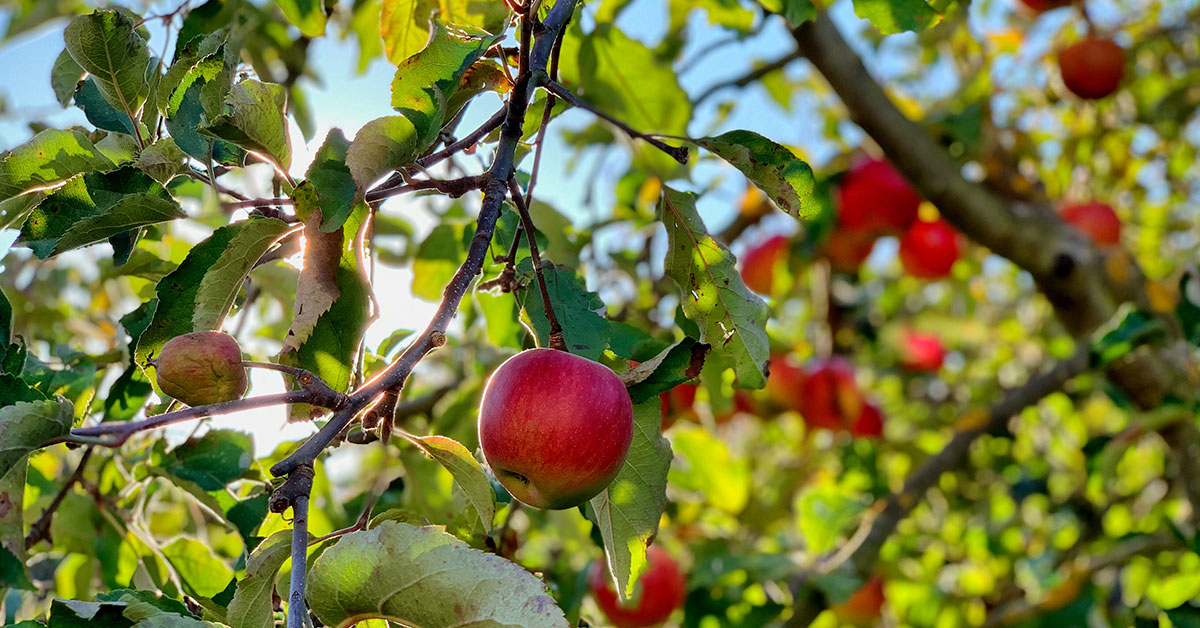

Welcome to the world of apple tree cultivation in South Carolina! If you’re a gardening enthusiast or a fruit lover, there’s nothing quite like the satisfaction of growing your own apple trees and enjoying the delicious fruits they bear. However, before you embark on this exciting journey, it’s essential to understand the optimal time to plant apple trees in the South Carolina.
South Carolina’s climate offers unique advantages and challenges for apple tree growth, and selecting the right planting season can significantly impact the success of your orchard. In this article, we will delve into the factors that influence the best time to plant apple trees in South Carolina, ensuring that you have all the knowledge you need to kickstart your apple-growing adventure.
Best apple varieties to grow in South Carolina
In South Carolina, there are several apple varieties that thrive in the climate and soil conditions. Here are some apple varieties that are known to grow well in South Carolina:
- Gala: Gala apples are popular for their sweet and crisp flavor. They are relatively easy to grow and adapt well to South Carolina’s climate.
- Pink Lady: Pink Lady apples are known for their tangy and sweet taste. They require a longer growing season, but with the warm climate in South Carolina, they can be successfully grown.
- Golden Delicious: Golden Delicious apples are a classic variety that grows well in South Carolina. They have a mild and sweet flavor and are versatile for both eating fresh and cooking.
- Granny Smith: Granny Smith apples are known for their tartness and firm texture. They require a longer growing season, but with proper care, they can be grown successfully in South Carolina.
- Fuji: Fuji apples are sweet and crisp, making them a favorite for eating fresh. They require a longer growing season, but with the warm climate in South Carolina, they can be grown successfully.
It’s important to note that while these apple varieties are known to grow well in South Carolina, the success of growing apples also depends on factors such as soil quality, proper care, and disease management. Consulting with local nurseries or agricultural extension offices can provide more specific recommendations based on your location within South Carolina.
When to plant apple trees in South Carolina
In South Carolina, the best time to plant apple trees varies slightly depending on the specific hardiness zone. South Carolina is divided into three main hardiness zones: Zone 7a, Zone 7b, and Zone 8a. Here are the recommended planting times for each zone:
- Zone 7a: The best time to plant apple trees in Zone 7a, which includes areas like Greenville and Spartanburg, is in late winter to early spring. This typically falls between February and March. Planting during this time allows the tree to establish its roots before the hot summer months.
- Zone 7b: In Zone 7b, which includes areas like Columbia and Charleston, the ideal time to plant apple trees is also in late winter to early spring. Similar to Zone 7a, planting between February and March is recommended to give the tree a chance to establish roots before the heat of summer.
- Zone 8a: For Zone 8a, which includes areas like Beaufort and Hilton Head Island, the best time to plant apple trees is slightly different. In this zone, it is advisable to plant apple trees in late fall to early winter, specifically between November and December. Planting during this time allows the tree to take advantage of the cooler temperatures and establish roots before the arrival of spring.
Regardless of the specific zone, it is important to avoid planting apple trees during the hottest months of summer, as the stress of high temperatures can negatively impact the tree’s establishment and growth. Additionally, it is crucial to choose apple tree varieties that are suitable for the specific hardiness zone in which you are planting, as different varieties have different temperature and climate requirements.
How to grow apple trees in South Carolina
Growing apple trees requires careful planning and attention to detail. Here are the steps and considerations to keep in mind:
- Site Selection: Choose a location that receives full sun for at least 6-8 hours a day. Ensure the soil is well-drained and fertile. Avoid low-lying areas prone to frost pockets or waterlogging.
- Soil Preparation: Test the soil pH and make sure it falls between 6.0-7.0. Amend the soil with organic matter like compost or well-rotted manure to improve its fertility and drainage.
- Variety Selection: Choose apple tree varieties that are suitable for your climate and region. Consider factors like chilling hours required, disease resistance, and pollination requirements. Consult with local nurseries or extension services for the best apple varieties for your area.
- Planting: Dig a hole that is wide and deep enough to accommodate the tree’s roots. Place the tree in the hole, ensuring that the graft union is above the soil line. Backfill the hole with soil, gently firming it around the roots. Water thoroughly after planting.
- Pruning: Prune apple trees during the dormant season to shape the tree, remove dead or diseased branches, and improve air circulation. Pruning also helps maintain the tree’s size and encourages fruit production.
- Fertilization: Apply a balanced fertilizer in early spring before new growth begins. Follow the recommended dosage based on the tree’s age and size. Avoid excessive nitrogen fertilization, as it can promote vegetative growth at the expense of fruit production.
- Watering: Provide regular and consistent watering, especially during dry spells. Apple trees require about 1-2 inches of water per week. Water deeply, ensuring the moisture reaches the root zone. Avoid overwatering, as it can lead to root rot.
- Pest and Disease Management: Monitor the tree regularly for pests like aphids, codling moths, and apple maggots. Use organic pest control methods or consult with local experts for appropriate insecticides. Apply dormant oil sprays during the dormant season to control overwintering pests. Implement a spray schedule to prevent diseases like apple scab, powdery mildew, and fire blight.
- Thinning and Harvesting: Thin the developing fruit in early summer to ensure larger, healthier apples. Harvest apples when they are fully ripe, as indicated by their color, taste, and ease of detachment from the tree. Different apple varieties have varying harvest times.
- Winter Protection: Protect young apple trees from winter damage by wrapping the trunk with tree guards or using mulch to insulate the base. Prune any dead or damaged branches before winter to prevent disease and encourage healthy growth.
Remember, growing apple trees requires patience and consistent care. Regular monitoring, proper pruning, and timely pest and disease management will help ensure a bountiful harvest of delicious apples.
When to harvest apples in South Carolina
In South Carolina, the ideal time to pick apples depends on the specific apple variety you are growing. Here are some general guidelines:
- Early-season varieties: These apples are typically ready for harvest in late July to early August. Examples include Lodi, Pristine, and Ginger Gold.
- Mid-season varieties: These apples are usually ready for picking in August to early September. Examples include Gala, Honeycrisp, and Golden Delicious.
- Late-season varieties: These apples are typically harvested from September to October. Examples include Fuji, Granny Smith, and Rome Beauty.
It’s important to note that these timeframes can vary slightly depending on the weather conditions and microclimates in your specific area of South Carolina. To determine the exact ripeness of your apples, look for signs such as changes in color, firmness, and taste. Additionally, consult with local agricultural extension offices or nurseries for more precise information on apple varieties that thrive in your region.
Common apple tree problems and fixes
There are several common problems that apple trees may encounter during their growth. Here are a few of them along with their potential fixes:
- Pest infestation: Apple trees can be affected by various pests such as aphids, codling moths, apple maggots, and mites. To address this issue, you can use organic insecticides or introduce beneficial insects like ladybugs or lacewings. Regularly inspect the tree for signs of infestation and take appropriate action promptly.
- Disease: Apple trees are susceptible to diseases like apple scab, powdery mildew, fire blight, and cedar apple rust. To prevent these diseases, ensure proper air circulation by pruning the tree, remove infected leaves or fruit promptly, and apply appropriate fungicides as recommended by local agricultural extension services.
- Lack of pollination: Apple trees require cross-pollination between different varieties for fruit production. If you have only one tree, it may not bear fruit. To address this, either plant multiple apple tree varieties or use a technique called grafting to incorporate multiple varieties onto a single tree.
- Nutrient deficiencies: Apple trees may suffer from nutrient deficiencies, particularly nitrogen, phosphorus, and potassium. Conduct a soil test to determine the nutrient levels and apply fertilizers accordingly. Organic options like compost, well-rotted manure, or specific organic fertilizers can help replenish the necessary nutrients.
- Improper pruning: Incorrect pruning can lead to issues like reduced fruit production, poor tree structure, or increased susceptibility to diseases. Learn proper pruning techniques or consult a professional arborist to ensure you are pruning your apple tree correctly.
- Watering issues: Overwatering or underwatering can cause stress to apple trees. Ensure the tree receives adequate water, especially during dry periods, without creating waterlogged conditions. Mulching around the base of the tree can help retain moisture and regulate soil temperature.
Remember, specific problems and their fixes may vary depending on your location, apple tree variety, and local climate conditions. It is always beneficial to consult local gardening experts or agricultural extension services for region-specific advice.