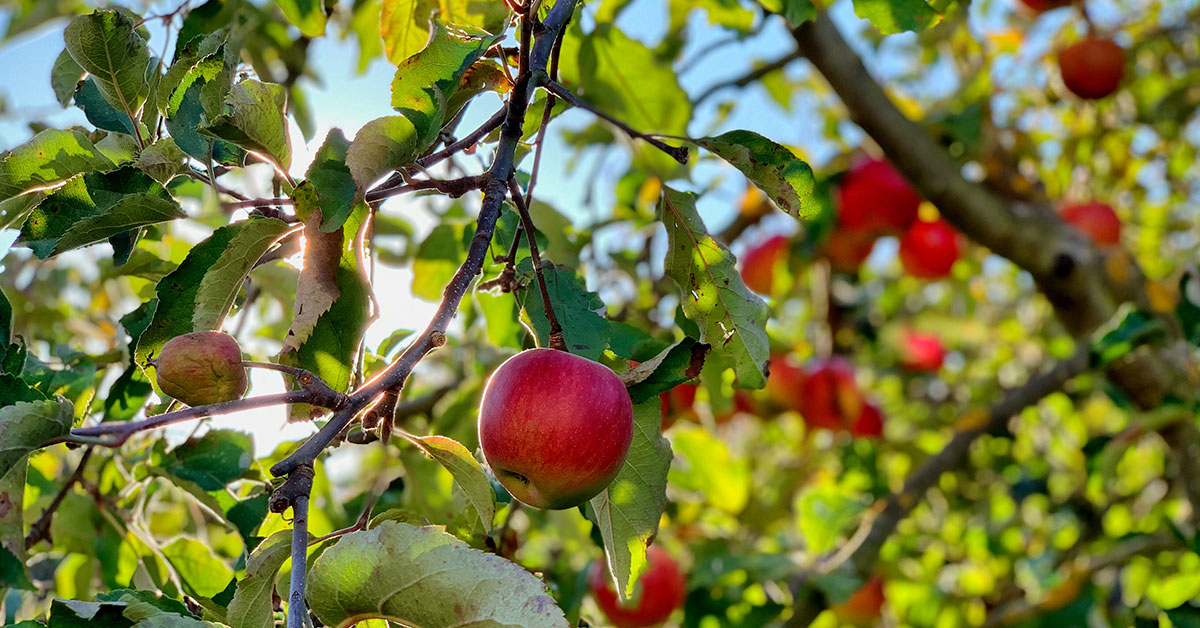

Welcome to our comprehensive guide on when to plant apple trees in North Dakota! As a gardening expert, I understand the importance of choosing the right time to embark on this fruitful endeavor. North Dakota’s unique climate poses certain challenges, but with careful planning and consideration, you can successfully grow apple trees in this region.
In this article, we will delve into the optimal planting time, taking into account the state’s weather patterns, frost dates, and the specific requirements of apple trees. Whether you are a seasoned gardener or a beginner, this article will equip you with the knowledge and confidence to start your own apple orchard in North Dakota. So, let’s dive in and discover the perfect time to plant apple trees in this beautiful state!
Best apple varieties to grow in North Dakota
In North Dakota, the climate is generally cold with short growing seasons. Therefore, it is important to choose apple varieties that are cold-hardy and can withstand these conditions. Here are some apple varieties that tend to perform well in North Dakota:
- Haralson: This variety is known for its excellent cold hardiness and disease resistance. It produces medium-sized apples with a tart flavor, making it great for baking and cider.
- Honeycrisp: Although Honeycrisp trees may require some extra care and protection in colder regions, they can still thrive in North Dakota. Honeycrisp apples are crisp, juicy, and have a sweet-tart flavor.
- Prairie Magic: This variety was specifically developed for the northern plains, including North Dakota. It is cold-hardy and disease-resistant, producing medium-sized apples with a slightly tart flavor.
- Wealthy: Wealthy apples have been grown in North Dakota for many years. They are cold-hardy and disease-resistant, with a sweet-tart flavor. They are great for eating fresh or using in pies and sauces.
- State Fair: Developed by North Dakota State University, State Fair apples are well-suited for the state’s climate. They are cold-hardy and produce medium-sized apples with a sweet-tart flavor.
Remember, it is always a good idea to consult with local nurseries or agricultural extension offices for specific recommendations based on your exact location in North Dakota.
When to plant apple trees in North Dakota
In North Dakota, the best time to plant apple trees varies depending on the hardiness zone. North Dakota is divided into four USDA hardiness zones: Zone 3, Zone 4, Zone 5, and Zone 6. Here are the recommended planting times for each zone:
- Zone 3: The best time to plant apple trees in Zone 3 is in early spring, as soon as the ground thaws and becomes workable. This is typically around April or early May. Planting in spring allows the tree to establish its root system before the harsh winter arrives.
- Zone 4: In Zone 4, the best time to plant apple trees is also in early spring, similar to Zone 3. Aim to plant in April or early May when the soil is no longer frozen and can be easily worked. This timing allows the tree to take advantage of the growing season and develop a strong root system.
- Zone 5: For Zone 5, the ideal time to plant apple trees is in early spring, just like Zones 3 and 4. Planting in April or early May ensures that the tree has enough time to establish roots before the hot summer months. This timing also minimizes the risk of frost damage.
- Zone 6: In Zone 6, the best time to plant apple trees is slightly different. While early spring is still a suitable time, late fall is also an option. Planting in late September or early October allows the tree to establish roots before winter sets in. However, ensure that you plant at least six weeks before the first hard frost to give the tree enough time to settle in.
Regardless of the zone, it’s important to avoid planting apple trees during the hottest summer months or when the ground is frozen. Planting during the recommended times will give your apple trees the best chance of thriving in North Dakota’s climate.
How to grow apple trees in North Dakota
Growing apple trees requires careful planning and attention to detail. Here are the steps and considerations involved in successfully growing apple trees:
- Site Selection: Choose a location that receives full sun for at least 6-8 hours a day. Ensure the soil is well-drained, fertile, and has a pH level between 6.0 and 7.0. Avoid low-lying areas prone to frost or waterlogging.
- Apple Variety Selection: Select apple tree varieties that are suitable for your climate and region. Consider factors such as chilling requirements, disease resistance, and pollination requirements. Consult with local nurseries or agricultural extension offices for guidance.
- Soil Preparation: Prepare the soil before planting by removing weeds, rocks, and debris. Incorporate organic matter like compost or well-rotted manure to improve soil fertility and drainage. Conduct a soil test to determine nutrient deficiencies and adjust accordingly.
- Planting: Plant apple trees in late winter or early spring, before bud break. Dig a hole that is wide and deep enough to accommodate the roots without bending or crowding. Place the tree in the hole, ensuring the bud union (graft) is above the soil line. Backfill the hole with soil, gently firming it around the roots.
- Pruning: Prune apple trees annually to maintain their shape, remove dead or diseased wood, and improve airflow and sunlight penetration. Pruning should be done during the dormant season, preferably in late winter or early spring.
- Watering: Provide regular and consistent watering, especially during the first few years after planting. Young trees require about 1 inch of water per week, while mature trees need around 2 inches. Water deeply to encourage deep root growth and avoid shallow watering that can lead to weak root systems.
- Fertilization: Apply a balanced fertilizer specifically formulated for fruit trees in early spring before bud break. Follow the manufacturer’s instructions for application rates. Additionally, consider conducting periodic soil tests to determine if any specific nutrient deficiencies need to be addressed.
- Pest and Disease Management: Monitor apple trees regularly for common pests like aphids, codling moths, and apple maggots. Implement integrated pest management techniques such as using insecticidal soaps, beneficial insects, and pheromone traps. Take preventive measures against diseases like apple scab, powdery mildew, and fire blight by choosing disease-resistant varieties and practicing good sanitation.
- Pollination: Ensure proper pollination by planting at least two different apple tree varieties that bloom at the same time or are compatible for cross-pollination. Bees and other pollinators are essential for transferring pollen between flowers, so encourage their presence by planting pollinator-friendly flowers nearby.
- Harvesting: Harvest apples when they are fully ripe and easily detach from the tree with a gentle twist. Different apple varieties have different ripening times, so refer to specific guidelines for each variety. Store harvested apples in a cool, dark, and well-ventilated area to prolong their shelf life.
Remember, growing apple trees requires patience and consistent care. Regular monitoring, proper maintenance, and timely interventions will help ensure healthy and productive apple trees in your garden.
When to harvest apples in North Dakota
In North Dakota, the ideal time to pick apples typically falls between late August and early October. The exact timing can vary depending on the apple variety and weather conditions. It is important to monitor the fruit’s maturity by observing its color, firmness, and taste. Additionally, different apple varieties have different ripening periods, so it is advisable to consult the specific variety you are growing to determine the optimal harvest time.
Common apple tree problems and fixes
There are several common problems that apple trees can face, along with their respective fixes:
- Pest infestation: Apple trees can be susceptible to pests like aphids, codling moths, and apple maggots. To combat this, you can use insecticidal soaps or horticultural oils to control aphids. For codling moths, pheromone traps can be effective, and apple maggots can be controlled using sticky traps or insecticides labeled for their control.
- Disease: Apple trees can suffer from diseases such as apple scab, powdery mildew, and fire blight. To prevent apple scab, ensure good air circulation by pruning and thinning the tree, and apply fungicides as needed. Powdery mildew can be controlled by applying fungicides labeled for its control. Fire blight can be managed by pruning affected branches and applying copper-based sprays during dormancy.
- Nutrient deficiencies: Apple trees may exhibit nutrient deficiencies, such as yellowing leaves (indicating nitrogen deficiency) or stunted growth (indicating phosphorus deficiency). Conduct a soil test to identify specific deficiencies and apply appropriate fertilizers or amendments accordingly.
- Improper pollination: Apple trees require cross-pollination from a different apple variety to produce fruit. If you have only one apple tree, consider planting a compatible pollinator nearby. Alternatively, you can hand-pollinate the flowers using a small brush.
- Watering issues: Overwatering or underwatering can cause problems for apple trees. Ensure the tree receives adequate water, especially during dry periods, but avoid waterlogged soil. Mulching around the base of the tree can help retain moisture and regulate soil temperature.
- Pruning mistakes: Improper pruning can lead to weak branch structure, reduced fruit production, and increased susceptibility to diseases. Learn proper pruning techniques or seek guidance from a professional arborist to ensure healthy tree growth.
Remember, prevention is key to maintaining healthy apple trees. Regularly inspect your trees for signs of pests, diseases, or nutrient deficiencies, and take appropriate action promptly.