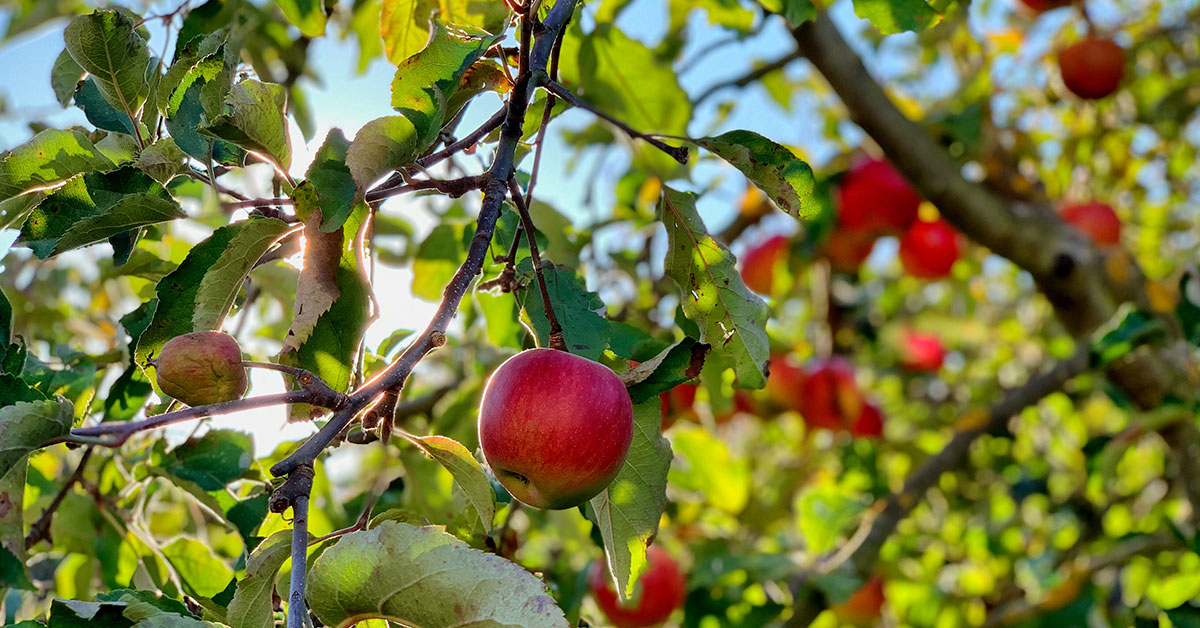

Welcome to the world of apple tree cultivation in Nevada! If you’re a gardening enthusiast or simply someone who loves the idea of harvesting your own crisp and juicy apples, then you’ve come to the right place. Nevada’s unique climate and growing conditions present both opportunities and challenges for apple tree growers. In this article, we will delve into the optimal time to plant apple trees in Nevada, taking into consideration the state’s diverse regions and varying weather patterns.
By understanding the best planting times, you can ensure the success of your apple tree venture and look forward to a bountiful harvest in the years to come. So, let’s dig in and discover the perfect time to embark on your apple tree-planting journey in the Silver State!
Best apple varieties to grow in Nevada
In Nevada, the climate can be challenging for growing apple trees due to the hot and dry conditions. However, there are a few apple varieties that have shown some success in this region. Here are a few apple varieties that are known to grow relatively well in Nevada:
- Gala: Gala apples are popular for their sweet and crisp flavor. They are known to adapt well to various climates, including Nevada’s hot and dry conditions.
- Granny Smith: Granny Smith apples are known for their tart flavor and firm texture. They are relatively heat-tolerant and can handle the hot summers in Nevada.
- Pink Lady: Pink Lady apples are known for their sweet-tart flavor and crisp texture. They are a late-season apple variety and can handle the heat better than some other varieties.
- Fuji: Fuji apples are sweet and crisp, making them a favorite among many apple lovers. While they may require some extra care in Nevada’s climate, they have shown some success in certain areas.
It’s important to note that while these varieties have shown some adaptability to Nevada’s climate, they may still require additional care and attention, such as proper irrigation, shading, and protection from extreme heat. Consulting with local nurseries or agricultural extension offices can provide more specific recommendations based on your location within Nevada.
When to plant apple trees in Nevada
In Nevada, the best time to plant apple trees varies depending on the specific hardiness zone. Nevada has a range of hardiness zones, from 4a to 9a, with different climate conditions. Here are the recommended planting times for each zone:
- Zone 4a: The best time to plant apple trees in Zone 4a, which includes areas like Jarbidge and Mountain City, is in early spring, ideally in April. This allows the tree to establish its root system before the hot summer months.
- Zone 5a: In Zone 5a, which includes areas like Elko and Ely, the best time to plant apple trees is also in early spring, around April. This timing ensures that the tree has enough time to establish roots before the summer heat arrives.
- Zone 6a: For Zone 6a, which includes areas like Reno and Carson City, the best time to plant apple trees is in early spring, around April or early May. This allows the tree to take advantage of the cool, moist conditions of spring for root establishment.
- Zone 7a: In Zone 7a, which includes areas like Las Vegas and Henderson, the best time to plant apple trees is in late winter or early spring, around February or March. This timing allows the tree to establish roots before the hot summer temperatures set in.
- Zone 8a: For Zone 8a, which includes areas like Mesquite and Laughlin, the best time to plant apple trees is in late winter or early spring, around February or March. This timing allows the tree to establish roots before the intense summer heat arrives.
- Zone 9a: In Zone 9a, which includes areas like Bullhead City and Lake Havasu City, the best time to plant apple trees is in late winter or early spring, around February or March. This timing ensures that the tree has enough time to establish roots before the hot summer months.
It’s important to note that these are general guidelines, and local weather conditions can vary. It’s always a good idea to observe the specific conditions in your area and adjust the planting time accordingly. Additionally, choosing apple tree varieties that are suitable for your specific hardiness zone is crucial for successful growth and fruit production.
How to grow apple trees in Nevada
Growing apple trees requires careful planning and attention to detail. Here are the steps and considerations to keep in mind:
- Variety Selection: Choose apple tree varieties that are suitable for your climate and growing conditions. Consider factors such as disease resistance, pollination requirements, and desired fruit characteristics.
- Site Selection: Apple trees require full sun (at least 6-8 hours of direct sunlight per day) and well-drained soil. Avoid low-lying areas prone to frost or waterlogging. Test the soil pH and fertility, aiming for a pH range of 6.0-7.0.
- Planting: Plant apple trees in early spring or late fall when the soil is workable. Dig a hole wide and deep enough to accommodate the tree’s root system. Place the tree in the hole, ensuring the graft union is above the soil line. Backfill the hole with soil, gently firming it around the roots.
- Pruning: Prune apple trees annually to maintain their shape, promote airflow, and remove dead or diseased wood. Pruning also encourages fruit production. Prune during late winter or early spring before the tree starts to bud.
- Watering: Newly planted apple trees require regular watering to establish their root system. Provide 1-2 inches of water per week, either through rainfall or supplemental irrigation. Water deeply and infrequently, allowing the soil to dry slightly between waterings.
- Fertilization: Apply a balanced fertilizer (such as a 10-10-10 or 14-14-14) in early spring before new growth appears. Follow the manufacturer’s instructions for application rates. Avoid excessive nitrogen, as it can lead to excessive vegetative growth at the expense of fruit production.
- Pest and Disease Management: Monitor apple trees regularly for pests such as aphids, codling moths, and apple maggots. Use organic or chemical control methods as necessary. Implement preventive measures against common diseases like apple scab, powdery mildew, and fire blight.
- Pollination: Some apple tree varieties are self-fertile, while others require cross-pollination with a different apple variety. Ensure proper pollination by planting compatible varieties within close proximity. Alternatively, use a pollinator tree or graft different varieties onto the same tree.
- Thinning: To promote larger and healthier fruit, thin out excess fruit when they reach marble-sized. Leave only one or two fruits per cluster, spacing them 4-6 inches apart. Thinning helps prevent overcrowding and improves fruit quality.
- Harvesting: Apples are ready for harvest when they reach their mature color and easily detach from the tree with a gentle twist. Different apple varieties have varying ripening times, so monitor each tree individually. Store harvested apples in a cool, dark, and well-ventilated area.
Remember to consult local gardening resources or seek advice from experienced apple growers in your area for specific guidance based on your location and apple tree varieties.
When to harvest apples in Nevada
In Nevada, the ideal time to pick apples can vary depending on the specific apple variety you are growing and the local climate conditions. Generally, apple harvesting in Nevada begins in late summer to early fall, typically between August and October.
To determine the best time for picking apples, it is crucial to consider the maturity period of the apple variety you are growing. Different apple varieties have different maturation periods, ranging from early-season to late-season varieties. Early-season apples, such as Gala or Lodi, are usually ready for harvest in late summer, while late-season varieties like Granny Smith or Fuji are typically harvested in early to mid-fall.
Additionally, factors such as weather conditions, tree health, and personal preference also play a role in determining the harvest time. It is recommended to monitor the fruit’s color, firmness, and taste to determine if they are ready for picking. Mature apples should have developed their characteristic color, be firm to the touch but not too hard, and have a sweet or tart flavor depending on the variety.
To ensure the best quality and flavor, it is advisable to consult local agricultural extension services or experienced apple growers in your specific region of Nevada for more precise information on the ideal harvest time for your apple trees.
Common apple tree problems and fixes
There are several common problems that apple trees may encounter, along with their respective fixes:
- Pest infestation: Common pests that affect apple trees include aphids, codling moths, apple maggots, and mites. To combat these pests, you can use insecticidal soaps, horticultural oils, or organic pesticides. Additionally, maintaining good garden hygiene by removing fallen fruit and regularly inspecting your trees can help prevent infestations.
- Disease: Apple trees are susceptible to various diseases such as apple scab, powdery mildew, fire blight, and cedar apple rust. To prevent and manage these diseases, you can apply fungicides during the appropriate times, prune infected branches, and ensure proper air circulation around the tree by pruning and thinning branches.
- Poor fruit production: If your apple tree is not producing an abundant crop, it may be due to inadequate pollination, nutrient deficiencies, or improper pruning. To address these issues, consider planting pollinator-friendly flowers nearby, conducting a soil test to identify nutrient deficiencies, and following proper pruning techniques to encourage fruiting.
- Watering issues: Over or under-watering can negatively affect apple trees. Over-watering can lead to root rot, while under-watering can cause stress and poor fruit development. Ensure that your apple tree receives adequate water by providing deep, thorough watering when the top few inches of soil become dry. Mulching around the base of the tree can help retain moisture.
- Sunlight requirements: Apple trees require full sun exposure to thrive and produce a bountiful harvest. If your tree is not receiving enough sunlight due to shading from nearby structures or trees, consider pruning or transplanting to a more suitable location.
- Nutrient deficiencies: Common nutrient deficiencies in apple trees include nitrogen, phosphorus, and potassium. Conduct a soil test to identify any deficiencies and amend the soil accordingly with organic fertilizers or targeted nutrient applications.
Remember, prevention is key to maintaining healthy apple trees. Regularly inspecting your trees, practicing good garden hygiene, and providing optimal growing conditions will help minimize problems and ensure successful apple tree cultivation.