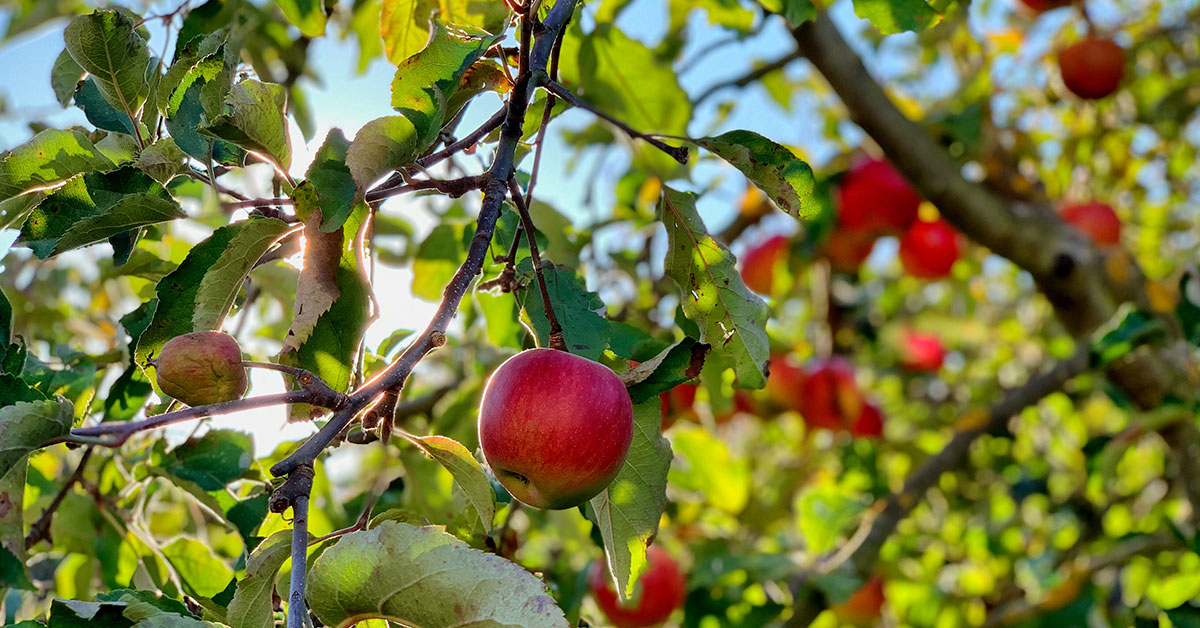

Michigan, known as the Great Lakes State, boasts a rich agricultural heritage and is renowned for its bountiful apple orchards. If you’re a gardening enthusiast or an aspiring orchardist, the idea of growing your own apple trees in Michigan might be an exciting prospect. However, before embarking on this fruitful journey, it is crucial to understand the optimal timing for planting apple trees in Michigan.
Michigan’s diverse climate, influenced by the Great Lakes, presents unique challenges and opportunities for apple cultivation. In this article, we will delve into the factors that determine the best time to plant apple trees in Michigan, ensuring your efforts yield a thriving orchard and a fruitful harvest for years to come.
Best apple varieties to grow in Michigan
There are several apple varieties that grow well in Michigan due to its climate and soil conditions. Some popular apple varieties that thrive in Michigan include:
- Honeycrisp: Known for its crisp texture and sweet-tart flavor, Honeycrisp apples are highly popular in Michigan. They require a long growing season and are typically harvested in September.
- Gala: Gala apples are early-season apples that are well-suited for Michigan’s climate. They have a mild, sweet flavor and a crisp texture. Gala apples are usually harvested in late August.
- McIntosh: McIntosh apples are a classic variety that grows well in Michigan. They have a tart and tangy flavor with a tender texture. McIntosh apples are typically harvested in September.
- Jonagold: Jonagold apples are a cross between Jonathan and Golden Delicious varieties. They have a sweet-tart flavor and a crisp texture. Jonagold apples are usually harvested in early October.
- Empire: Empire apples are a cross between McIntosh and Red Delicious varieties. They have a sweet-tart flavor and a firm texture. Empire apples are typically harvested in late September.
- Northern Spy: Northern Spy apples are known for their excellent flavor and versatility. They have a tart taste and a firm, crisp texture. Northern Spy apples are usually harvested in October.
These are just a few examples of apple varieties that grow well in Michigan. It’s always a good idea to consult with local nurseries or agricultural extension offices for more specific recommendations based on your location within the state.
When to plant apple trees in Michigan
In Michigan, the best time to plant apple trees depends on the specific hardiness zone you are in. Michigan is divided into four hardiness zones: Zone 4, Zone 5, Zone 6, and Zone 7. Here are the recommended planting times for each zone:
- Zone 4: The best time to plant apple trees in Zone 4 is in early spring, typically between April and early May. This allows the tree to establish its root system before the hot summer months.
- Zone 5: In Zone 5, the ideal time to plant apple trees is also in early spring, around late April to early May. This timing ensures that the tree has enough time to develop a strong root system before the heat of summer.
- Zone 6: For Zone 6, the recommended planting time for apple trees is in early spring, similar to Zones 4 and 5. Planting between late April and early May is ideal for the tree’s successful establishment.
- Zone 7: In Zone 7, the best time to plant apple trees is slightly earlier than the other zones, typically in late winter or early spring. Planting in late March to early April allows the tree to take advantage of the cooler temperatures and moist soil before the onset of warmer weather.
Regardless of the hardiness zone, it’s important to avoid planting apple trees during the hottest parts of summer or during freezing winter conditions. By planting in the recommended time frames, you give your apple trees the best chance to establish healthy roots and thrive in Michigan’s climate.
How to grow apple trees in Michigan
Growing apple trees requires careful planning and attention to detail. Here are the steps and considerations to keep in mind:
- Variety Selection: Choose apple tree varieties that are suitable for your climate, soil type, and desired fruit characteristics. Consider factors like disease resistance, pollination requirements, and harvest time.
- Site Selection: Select a location that receives full sun for at least 6-8 hours a day. Ensure good air circulation and well-drained soil. Avoid low-lying areas prone to frost or waterlogging.
- Soil Preparation: Test the soil pH and fertility. Apple trees prefer slightly acidic soil with a pH range of 6.0-6.5. Improve soil drainage and fertility by adding organic matter like compost or well-rotted manure.
- Planting: Dig a hole that is wide and deep enough to accommodate the tree’s root system. Place the tree in the hole, ensuring the graft union is above the soil line. Backfill the hole with soil, firming it gently around the roots. Water thoroughly after planting.
- Pruning: Prune apple trees annually during the dormant season (late winter or early spring) to shape the tree, remove dead or diseased wood, and improve airflow. Pruning also helps stimulate fruit production.
- Watering: Provide regular and consistent watering, especially during dry periods. Deep watering is preferable to shallow watering, as it encourages deep root growth. Avoid overwatering, as it can lead to root rot.
- Fertilization: Apply a balanced fertilizer in early spring before new growth begins. Follow the recommended dosage based on soil test results or general guidelines. Avoid excessive nitrogen, as it can promote vegetative growth at the expense of fruit production.
- Pest and Disease Management: Monitor for common apple pests like aphids, codling moths, and apple maggots. Use organic or chemical controls as necessary. Implement disease prevention strategies like regular pruning, proper spacing, and fungicide applications to manage diseases like apple scab and powdery mildew.
- Pollination: Determine if your apple tree requires cross-pollination with another compatible variety for fruit set. Plant at least two different apple varieties that bloom at the same time to ensure proper pollination.
- Harvesting: Harvest apples when they are fully ripe. Each variety has different signs of ripeness, such as color change, firmness, and taste. Gently twist or lift the apple to detach it from the tree. Handle harvested apples carefully to avoid bruising.
Remember, growing apple trees is a long-term commitment, and it may take a few years for the tree to reach full fruiting potential. Regular care, maintenance, and attention to the specific needs of your apple tree will help ensure a successful harvest.
When to harvest apples in Michigan
In Michigan, the ideal time to pick apples depends on the variety of apple tree you have. Here are some general guidelines:
- Early-season apples: These varieties, such as Paula Red and Ginger Gold, are usually ready for picking in late August to early September.
- Mid-season apples: Varieties like McIntosh, Jonathan, and Empire are typically ready for harvest in mid-September to early October.
- Late-season apples: Varieties such as Northern Spy and Rome Beauty are usually ready for picking in late September to mid-October.
It’s important to note that these timeframes can vary slightly depending on the weather conditions and the specific location within Michigan. To determine the optimal harvest time for your apple tree, keep an eye on the color, size, and taste of the apples. Additionally, you can perform a simple maturity test by cutting open an apple and checking the color and texture of the seeds. If the seeds are dark brown and the flesh is crisp, it’s a good indication that the apples are ready for picking.
Common apple tree problems and fixes
There are several common problems that apple trees may encounter during their growth. Here are a few of them along with their potential fixes:
- Pest infestation: Apple trees can be susceptible to pests like aphids, codling moths, apple maggots, and mites. To combat this, you can use insecticidal soaps or horticultural oils to control aphids and mites. For codling moths and apple maggots, you can use pheromone traps or apply insecticides at specific times during the growing season.
- Disease issues: Apple trees are prone to diseases such as apple scab, powdery mildew, fire blight, and cedar apple rust. To prevent these diseases, you should choose disease-resistant apple tree varieties. Regularly inspect the trees for any signs of disease and promptly remove and destroy infected plant material. Fungicides can also be used as preventive measures.
- Poor fruit production: Insufficient pollination or lack of proper care can lead to poor fruit production. To improve pollination, consider planting multiple apple tree varieties that bloom at the same time to ensure cross-pollination. Proper pruning, fertilization, and watering are also essential for healthy fruit production.
- Nutrient deficiencies: Apple trees require specific nutrients for optimal growth. Common deficiencies include nitrogen, phosphorus, and potassium. Conduct a soil test to determine any deficiencies and then apply the appropriate fertilizers to address them. Organic amendments like compost can also help improve overall soil fertility.
- Improper pruning: Incorrect pruning techniques can negatively impact the growth and fruit production of apple trees. Learn proper pruning methods, such as removing dead or diseased branches, thinning out crowded areas, and shaping the tree for better light penetration and airflow. Prune during the dormant season to avoid stressing the tree.
Remember, it’s important to regularly monitor your apple trees for any signs of problems and take appropriate action promptly. Consulting with a local horticulturist or agricultural extension service can provide more specific advice tailored to your region and apple tree variety.