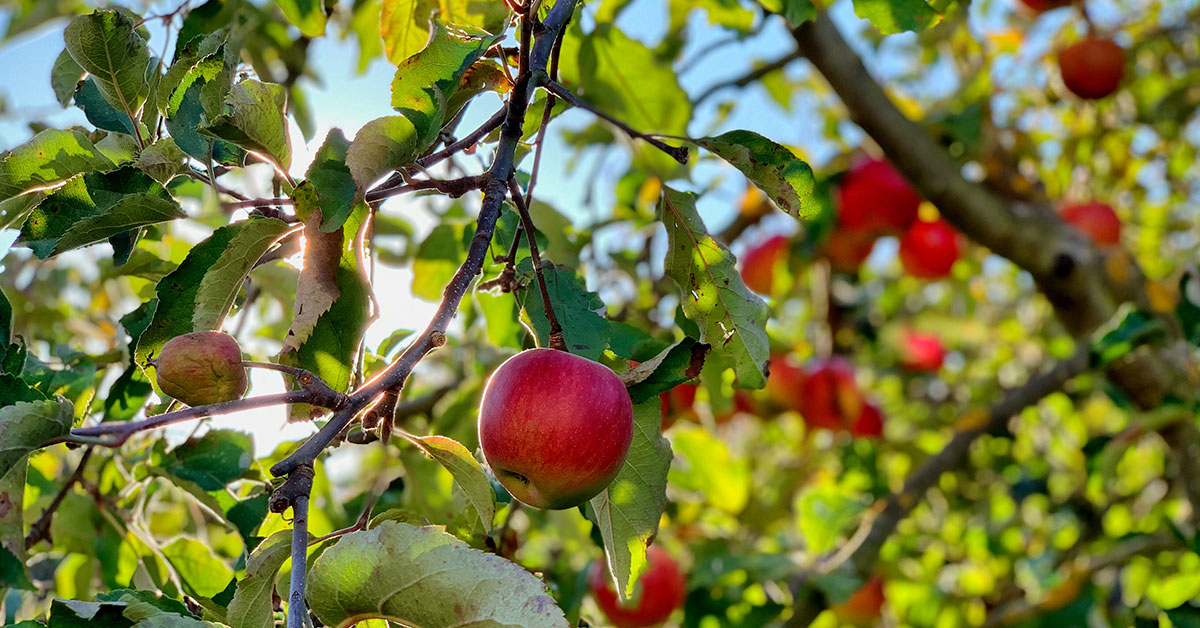

Maine, known for its picturesque landscapes and bountiful harvests, offers an ideal environment for growing apple trees. Whether you are a seasoned gardener or a beginner with a green thumb, understanding the optimal timing for planting apple trees is crucial for ensuring their successful establishment and fruitful growth. In this article, we will delve into the factors that influence the timing of planting apple trees in Maine, including climate considerations, apple tree varieties, and essential preparation steps.
By following these guidelines, you will be well-equipped to embark on a journey towards cultivating your very own apple orchard, brimming with delicious and locally-grown apples.
Best apple varieties to grow in Maine
In Maine, there are several apple varieties that are known to grow well due to the region’s climate and soil conditions. Here are some apple varieties that are recommended for growing in Maine:
- McIntosh: McIntosh apples are a popular choice in Maine due to their ability to thrive in colder climates. They have a sweet-tart flavor and are great for eating fresh, baking, and making applesauce.
- Cortland: Cortland apples are another excellent choice for Maine. They are similar to McIntosh in flavor but have a slightly sweeter taste. They are also known for their crisp texture, making them great for salads and baking.
- Honeycrisp: Honeycrisp apples have gained popularity in recent years for their exceptional flavor and crispness. They have a sweet-tart taste and are excellent for eating fresh or using in salads.
- Liberty: Liberty apples are a disease-resistant variety that performs well in Maine’s climate. They have a sweet-tart flavor and are good for eating fresh, baking, and making cider.
- Northern Spy: Northern Spy apples are known for their excellent flavor and versatility. They have a sweet-tart taste and are great for eating fresh, baking, and making pies.
- Wolf River: Wolf River apples are large, juicy, and perfect for baking. They have a mild flavor and are often used for making apple butter and pies.
These are just a few examples of apple varieties that grow well in Maine. It’s always a good idea to consult with local nurseries or agricultural extension offices for more specific recommendations based on your location within the state.
When to plant apple trees in Maine
In Maine, the best time to plant apple trees varies depending on the hardiness zone. Maine is divided into four hardiness zones: Zone 3, Zone 4, Zone 5, and Zone 6. Here’s a breakdown of the best planting times for each zone:
- Zone 3: The best time to plant apple trees in Zone 3 is in early spring, as soon as the ground thaws and becomes workable. This is typically around late April to early May. Planting in spring allows the tree to establish its roots before the hot summer months.
- Zone 4: In Zone 4, the ideal time to plant apple trees is also in early spring, similar to Zone 3. The ground should be thawed and workable, usually from late April to early May. Planting in spring gives the tree a chance to develop a strong root system before summer.
- Zone 5: For Zone 5, the best time to plant apple trees is either in early spring or late fall. Spring planting should be done as soon as the ground thaws and becomes workable, typically from late April to early May. Fall planting can be done in late September to early October, allowing the tree to establish roots before winter dormancy.
- Zone 6: In Zone 6, the recommended time to plant apple trees is similar to Zone 5. Early spring planting, when the ground thaws and becomes workable, is ideal. Late April to early May is generally the best time. Fall planting can also be done in late September to early October, giving the tree time to establish roots before winter.
Regardless of the zone, it’s important to avoid planting apple trees during extreme weather conditions, such as during frost or heatwaves. It’s also crucial to choose apple tree varieties that are suitable for the specific hardiness zone to ensure successful growth and fruit production.
How to grow apple trees in Maine
Growing apple trees requires careful planning and attention to detail. Here are the steps and considerations involved in successfully growing apple trees:
- Site Selection: Choose a location that receives full sun for at least 6-8 hours a day. Ensure the soil is well-drained, fertile, and has a pH level between 6.0 and 7.0.
- Apple Variety Selection: Select apple tree varieties that are suitable for your climate and growing conditions. Consider factors such as chilling hours required, disease resistance, and desired fruit characteristics.
- Soil Preparation: Prepare the soil by removing weeds, rocks, and debris. Incorporate organic matter like compost or well-rotted manure to improve soil fertility and drainage.
- Planting: Dig a hole that is wide and deep enough to accommodate the tree’s root system. Place the tree in the hole, ensuring the bud union (the swollen area where the tree was grafted onto the rootstock) is above the soil line. Backfill the hole with soil, gently firming it around the roots.
- Watering: After planting, water the tree thoroughly to settle the soil and eliminate air pockets. Provide regular watering during the first year, ensuring the soil remains consistently moist but not waterlogged.
- Pruning: Prune apple trees during their dormant season (late winter or early spring) to shape the tree, remove dead or diseased wood, and improve airflow. Pruning also encourages fruit production and helps maintain tree health.
- Fertilizing: Apply a balanced fertilizer in early spring before new growth begins. Follow the recommended application rates based on the tree’s age and size. Avoid over-fertilizing, as it can lead to excessive vegetative growth and reduced fruit production.
- Pest and Disease Management: Monitor the tree regularly for common apple pests like aphids, codling moths, and apple maggots. Implement integrated pest management strategies, including cultural practices, biological controls, and targeted pesticide applications if necessary. Also, be vigilant against diseases like apple scab, powdery mildew, and fire blight. Use disease-resistant apple varieties and practice good sanitation to minimize the risk.
- Thinning Fruit: When the tree sets an excessive amount of fruit, thinning is necessary to ensure larger, higher-quality apples. Remove excess fruit when they are about the size of a marble, leaving an appropriate spacing between remaining fruits.
- Harvesting: Apples are typically ready for harvest in late summer or early fall, depending on the variety. Harvest when the fruit color is fully developed, and they easily detach from the tree with a gentle twist. Store apples in a cool, dark place to extend their shelf life.
Remember, growing apple trees is a long-term commitment, and it may take several years for the tree to reach full fruit-bearing potential. Regular care, including watering, pruning, and pest management, is essential for healthy tree growth and abundant fruit production.
When to harvest apples in Maine
In Maine, apple picking typically begins in late August or early September and continues through October. The exact timing can vary depending on the specific apple variety and the weather conditions during the growing season. It’s important to monitor the ripening process by observing the color, firmness, and flavor of the apples.
When the apples are fully colored, firm, and have a sweet aroma, they are usually ready to be picked. Additionally, some apple varieties have specific harvest windows, so it’s beneficial to research the specific varieties you are growing to determine the optimal picking time.
Common apple tree problems and fixes
There are several common problems that apple trees can face, along with their respective fixes:
- Pest infestation: Apple trees can be susceptible to pests such as aphids, codling moths, and apple maggots. To control pests, you can use insecticidal soaps or horticultural oils, or introduce beneficial insects like ladybugs or lacewings. Regularly inspecting the trees and removing any affected fruits or leaves can also help prevent infestations.
- Disease: Apple trees are prone to diseases like apple scab, powdery mildew, fire blight, and cedar apple rust. To combat these diseases, use disease-resistant apple tree varieties, maintain good air circulation by pruning, and avoid overhead watering. Applying fungicides or copper sprays at appropriate times can also help control fungal infections.
- Poor fruit set: If your apple tree is not producing enough fruit, it may be due to inadequate pollination. Ensure that there are compatible apple tree varieties nearby for cross-pollination. You can also attract pollinators like bees by planting flowers nearby or using bee houses.
- Nutrient deficiencies: Apple trees may exhibit nutrient deficiencies, such as yellowing leaves (indicating nitrogen deficiency) or stunted growth (indicating phosphorus deficiency). Conduct a soil test to determine the specific nutrient deficiencies and apply appropriate fertilizers accordingly. Regularly mulching around the base of the tree with organic matter can also help improve soil fertility.
- Watering issues: Overwatering or underwatering can cause problems for apple trees. Ensure that the trees receive adequate water, especially during dry periods. However, avoid overwatering, as it can lead to root rot and other diseases. Proper irrigation techniques, such as deep watering at the base of the tree, can help maintain optimal soil moisture levels.
- Sunburn: Apple trees can suffer from sunburn, especially on young or newly planted trees. To prevent sunburn, provide shade or use tree wraps or reflective materials to protect the trunk and lower branches from excessive sunlight.
Remember, prevention is key to maintaining healthy apple trees. Regular monitoring, proper pruning, and providing optimal growing conditions can help minimize problems and ensure successful apple tree cultivation.