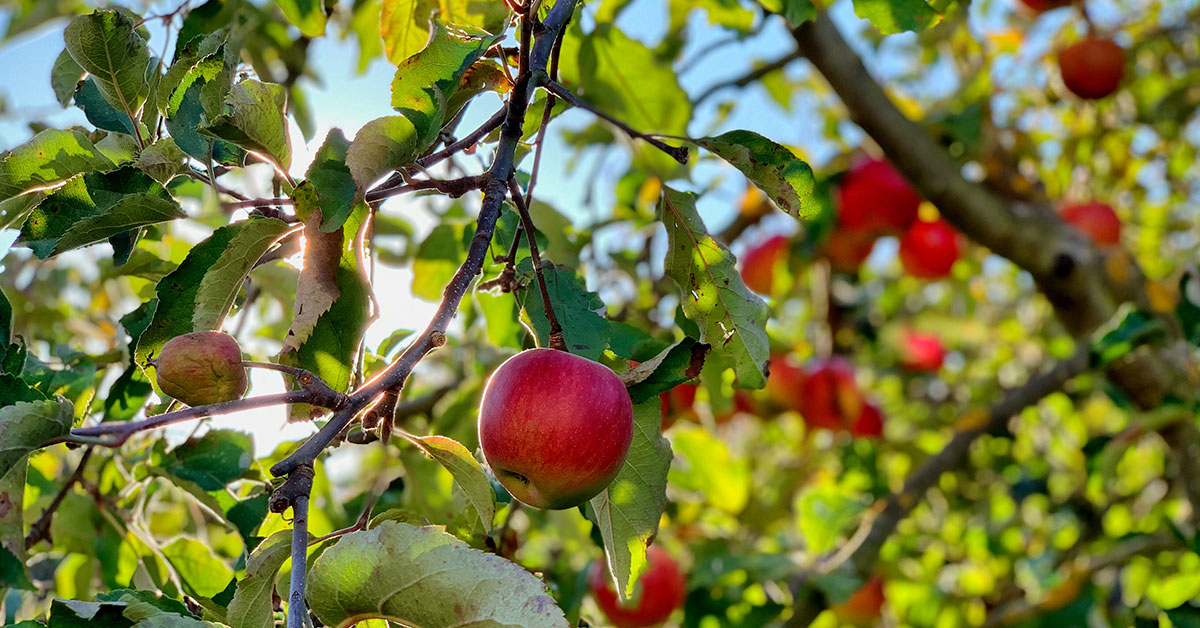

Arkansas, known for its diverse climate and fertile soil, provides an ideal environment for growing apple trees. Whether you are an experienced gardener or a novice looking to embark on a fruitful journey, understanding the optimal time to plant apple trees is crucial for their successful establishment and long-term growth. In this article, we will delve into when you should plant apple trees in Arkansas, including the region’s climate, apple tree varieties suitable for the state, and the best practices to ensure your apple trees thrive. By following these guidelines, you can maximize your chances of cultivating healthy, productive apple trees that will reward you with bountiful harvests for years to come.
Best apple varieties to grow in Arkansas
In Arkansas, some apple varieties that are known to grow well are:
- Arkansas Black: This variety is native to Arkansas and is well-suited to the state’s climate. It produces medium-sized, dark red to almost black apples with a crisp texture and a tart flavor. Arkansas Black apples are excellent for eating fresh and are also great for baking and cider making.
- Ozark Gold: This variety is a cross between Golden Delicious and Melrose apples. It is known for its sweet, juicy, and aromatic flavor. Ozark Gold apples have a yellow-green skin with a red blush. They are good for eating fresh and can also be used in cooking and baking.
- Pink Lady: Although not native to Arkansas, Pink Lady apples have been successfully grown in the state. They have a distinctive pinkish-red skin and a crisp, sweet-tart flavor. Pink Lady apples are excellent for eating fresh and are also suitable for baking and cooking.
- Fuji: Fuji apples are known for their sweet, crisp, and juicy flesh. They have a yellow-green skin with red highlights. Fuji apples are good for eating fresh and can also be used in cooking and baking.
- Granny Smith: While Granny Smith apples originated in Australia, they can be grown successfully in Arkansas. These apples have a bright green skin and a tart, crisp flesh. Granny Smith apples are popular for both eating fresh and cooking, especially in pies and tarts.
It’s important to note that apple tree varieties can perform differently based on factors such as soil type, microclimate, and disease resistance. It’s always a good idea to consult with local nurseries or agricultural extension services for specific recommendations based on your location in Arkansas.
When to plant apple trees in Arkansas
In Arkansas, the best time to plant apple trees varies depending on the hardiness zone. Arkansas is divided into four hardiness zones: Zone 6a, Zone 6b, Zone 7a, and Zone 7b. Here are the recommended planting times for each zone:
- Zone 6a: The best time to plant apple trees in Zone 6a is in early spring, typically between late February and early April. This allows the trees to establish their roots before the hot summer months.
- Zone 6b: In Zone 6b, the ideal planting time for apple trees is also in early spring, around late February to early April. This timing ensures that the trees have enough time to develop strong root systems before the arrival of summer heat.
- Zone 7a: For Zone 7a, the recommended planting time for apple trees is in late winter to early spring, usually between late January and early March. Planting during this period allows the trees to take advantage of the mild temperatures and establish themselves before the warmer months.
- Zone 7b: In Zone 7b, the best time to plant apple trees is similar to Zone 7a, during late winter to early spring. Planting between late January and early March ensures that the trees have enough time to settle in and grow before the onset of summer.
Regardless of the specific hardiness zone, it is crucial to avoid planting apple trees during the hottest months of summer or the coldest months of winter. Planting during the recommended times allows the trees to adapt to their new environment and establish strong root systems, increasing their chances of survival and successful growth.
How to grow apple trees in Arkansas
Growing apple trees requires careful planning and attention to detail. Here are the steps and considerations to keep in mind:
- Variety Selection: Choose apple tree varieties that are suitable for your climate and growing conditions. Consider factors such as disease resistance, pollination requirements, and desired fruit characteristics.
- Site Selection: Select a location that receives full sun for at least 6-8 hours a day. Ensure good air circulation and well-drained soil. Avoid low-lying areas prone to frost or waterlogging.
- Soil Preparation: Apple trees prefer loamy, well-draining soil with a pH level between 6.0 and 7.0. Test your soil and amend it with organic matter, such as compost or well-rotted manure, to improve fertility and drainage.
- Planting: Dig a hole that is wide and deep enough to accommodate the root system of the tree. Place the tree in the hole, ensuring that the bud union (the swollen area where the tree was grafted onto the rootstock) is above the soil line. Backfill the hole with soil, gently firming it around the roots.
- Pruning: Prune apple trees during their dormant season (late winter or early spring) to remove dead, damaged, or crossing branches. Pruning helps maintain the tree’s shape, improve air circulation, and promote fruit production.
- Watering: Provide regular and consistent watering, especially during dry periods. Apple trees require about 1-2 inches of water per week. Avoid overwatering, as it can lead to root rot.
- Fertilization: Apply a balanced fertilizer in early spring before new growth begins. Follow the recommended application rates based on the tree’s age and size. Organic options like compost or well-rotted manure can also be used.
- Pest and Disease Management: Monitor your apple trees regularly for common pests like aphids, codling moths, and apple maggots. Use organic pest control methods whenever possible, such as beneficial insects, sticky traps, or horticultural oils. Implement disease prevention strategies, including proper sanitation, regular pruning to improve airflow, and the use of disease-resistant apple varieties.
- Pollination: Most apple trees require cross-pollination with another compatible apple variety for optimal fruit set. Ensure you have at least two apple trees or use a compatible pollinator nearby. Be mindful of the flowering times and compatibility of different apple varieties.
- Harvesting: Apples are typically ready for harvest in late summer or early fall, depending on the variety. Harvest when the fruit color is fully developed and the apples easily detach from the tree when gently twisted. Store apples in a cool, dark, and well-ventilated area to extend their shelf life.
Remember, growing apple trees requires patience and ongoing care. Regular maintenance, including pruning, watering, and pest management, will help ensure healthy and productive trees.
When to harvest apples in Arkansas
In Arkansas, the ideal time to pick apples can vary depending on the specific apple variety you are growing. However, as a general guideline, most apple varieties in Arkansas are typically ready for harvest between late August and early October. It is important to note that different apple varieties have different maturation times, so it is crucial to know the specific variety you are growing to determine the exact harvest time. Additionally, factors such as weather conditions and the tree’s health can also influence the harvest time. To ensure the apples are ripe and ready for picking, it is recommended to monitor the fruit’s color, firmness, and taste regularly.
Common apple tree problems and fixes
There are several common problems that apple trees can face, along with their respective fixes:
- Aphids: Use insecticidal soap or neem oil spray to control aphids.
- Codling Moth: Apply pheromone traps or use insecticides specifically designed for codling moth control.
- Apple Maggot: Place sticky traps or use insecticides labeled for apple maggot control.
- Apple Sawfly: Handpick and destroy affected fruits or use insecticides labeled for sawfly control.
- Apple Scab: Choose disease-resistant apple varieties, apply fungicides during the growing season, and remove fallen leaves and debris.
- Fire Blight: Prune affected branches at least 12 inches below visible symptoms and disinfect tools between cuts.
- Cedar Apple Rust: Remove nearby cedar or juniper trees, apply fungicides during the growing season, and remove infected leaves and debris.
- Powdery Mildew: Improve air circulation, apply fungicides, and remove infected leaves and debris.
- Nitrogen Deficiency: Apply a balanced fertilizer with higher nitrogen content or use organic amendments like compost or manure.
- Potassium Deficiency: Apply a fertilizer with higher potassium content or use potassium-rich amendments like wood ash.
- Iron Deficiency (Chlorosis): Apply iron chelate or iron sulfate to the soil or use foliar sprays containing iron.
- Lack of Pollinators: Introduce honeybees or native pollinators to the area or plant compatible apple varieties for cross-pollination.
- Cold Weather During Bloom: Protect blossoms from frost using row covers or install wind machines to circulate warmer air.
- Overwatering: Ensure proper drainage and avoid excessive watering to prevent root rot and other diseases.
- Underwatering: Provide adequate water during dry periods, especially when the tree is establishing or during fruit development.
- Improper Pruning: Learn proper pruning techniques to maintain tree health, shape, and encourage fruit production.
- Lack of Training: Train young trees by selecting a central leader and removing competing branches to establish a strong framework.
Remember, it’s essential to identify the specific problem accurately before applying any solution. Consulting with local gardening experts or extension services can provide tailored advice based on your specific location and apple tree variety.