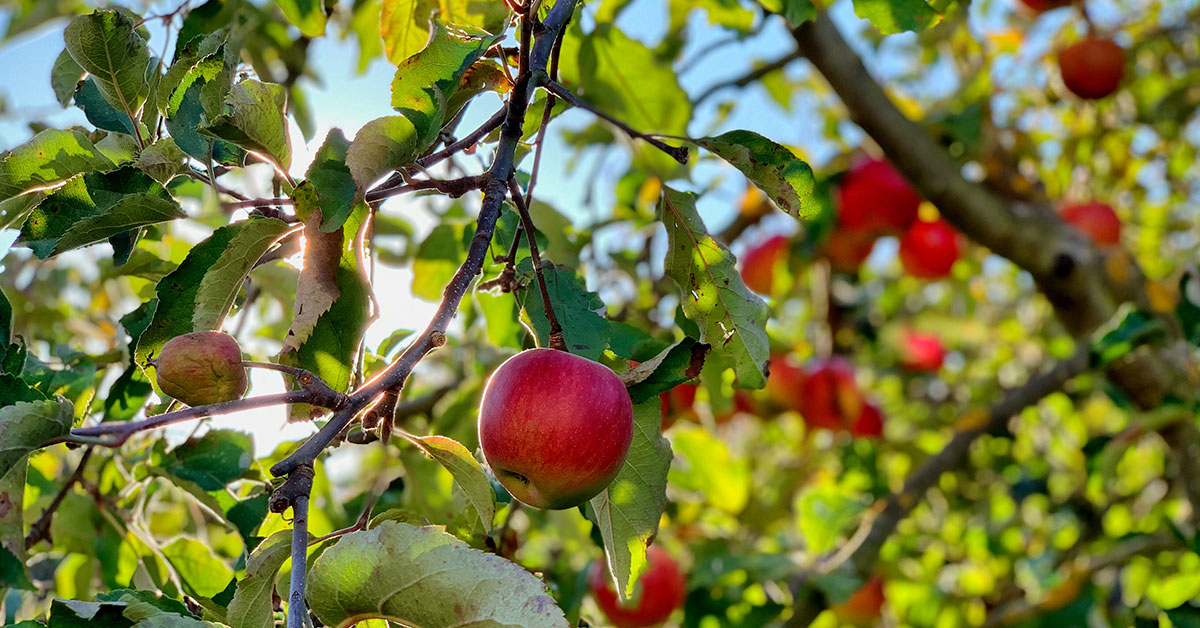

Welcome to our comprehensive guide on planting apple trees in Zone 12! As a gardening expert, I am thrilled to share my knowledge and insights on the best time to plant apple trees in this specific region. Zone 12, which encompasses areas with a tropical climate, presents unique challenges and opportunities for apple tree cultivation. In this article, we will delve into the ideal planting season, taking into consideration the climatic conditi
ons, soil requirements, and other essential factors that contribute to the successful growth of apple trees in Zone 12. Whether you are a seasoned gardener or a beginner looking to embark on this fruitful journey, this article will equip you with the necessary information to ensure your apple trees thrive in this tropical paradise. So, let’s dive in and discover the perfect timing for planting apple trees in Zone 12!
Best apple varieties to grow in Zone 12
In Zone 12, which is characterized by warm temperatures and a long growing season, there are several apple varieties that can thrive. Here are a few apple varieties that are well-suited for Zone 12:
- Anna: This variety is known for its ability to tolerate high temperatures and is an excellent choice for Zone 12. It produces medium-sized, sweet apples that are ready for harvest in early summer.
- Dorsett Golden: Another heat-tolerant variety, Dorsett Golden is a popular choice for warm climates. It produces medium to large-sized apples with a sweet and tangy flavor. The apples are typically ready for harvest in late summer.
- Ein Shemer: This Israeli variety is well-adapted to hot climates and performs well in Zone 12. It produces medium-sized, crisp apples with a sweet and slightly tart flavor. The apples are usually ready for harvest in late summer.
- Tropical Beauty: As the name suggests, this variety is specifically bred for tropical and subtropical regions. It is well-suited for Zone 12 and produces small to medium-sized apples with a sweet and tangy flavor. The apples are typically ready for harvest in late summer.
- Tropic Sweet: Another excellent choice for Zone 12, Tropic Sweet is a heat-tolerant variety that produces medium-sized, sweet apples. The apples are ready for harvest in late summer.
Remember, while these apple varieties are well-suited for Zone 12, it is always important to consider other factors like soil conditions, water availability, and local climate variations when selecting apple trees for your specific location.
When to plant apple trees in Zone 12
In Zone 12, which is characterized by warm temperatures and mild winters, the best time to plant apple trees is during the cooler months of the year. Specifically, the ideal time to plant apple trees in Zone 12 is during the late fall or early winter, typically between November and January.
It’s important to note that these are general guidelines, and local weather conditions and specific apple tree varieties may influence the optimal planting time. Consulting with local nurseries or agricultural extension offices can provide more precise recommendations for your specific location.
How to grow apple trees in Zone 12
Growing apple trees requires careful planning and attention to detail. Here are the steps and considerations involved in successfully growing apple trees:
- Site Selection: Choose a location that receives full sun for at least 6-8 hours a day. Ensure the soil is well-drained and fertile, with a pH level between 6.0 and 7.0.
- Apple Variety Selection: Select apple varieties that are suitable for your climate and growing conditions. Consider factors such as disease resistance, chilling requirements, and pollination requirements.
- Soil Preparation: Prepare the soil by removing weeds, rocks, and debris. Incorporate organic matter like compost or well-rotted manure to improve soil fertility and drainage.
- Planting: Dig a hole that is wide and deep enough to accommodate the tree’s roots. Place the tree in the hole, ensuring that the bud union (the swollen area where the tree was grafted onto the rootstock) is above the soil line. Backfill the hole with soil, gently firming it around the roots.
- Watering: Water the newly planted tree thoroughly and regularly, especially during dry periods. Provide enough water to keep the soil moist but not waterlogged.
- Pruning: Prune the apple tree during the dormant season to shape it, remove dead or diseased wood, and improve airflow within the canopy. Pruning also helps promote fruit production and maintain tree health.
- Fertilization: Apply a balanced fertilizer in early spring before new growth begins. Follow the recommended application rates based on the tree’s age and size. Avoid excessive nitrogen fertilization, as it can lead to excessive vegetative growth at the expense of fruit production.
- Pest and Disease Management: Monitor the tree regularly for pests like aphids, codling moths, and apple maggots. Implement appropriate pest control measures, such as organic sprays or integrated pest management techniques. Also, be vigilant for common apple diseases like apple scab, powdery mildew, and fire blight. Use disease-resistant apple varieties and follow cultural practices to minimize disease incidence.
- Pollination: Ensure proper pollination by planting at least two different apple varieties that bloom at the same time or selecting self-fertile varieties. Alternatively, you can introduce compatible pollinators like crabapple trees nearby.
- Harvesting: Harvest apples when they are fully ripe, as indicated by their color, firmness, and flavor. Different apple varieties have different ripening times, so monitor each tree individually.
Remember, growing apple trees requires patience and ongoing care. Regularly monitor the tree’s health, provide adequate water and nutrients, and address any issues promptly to ensure a successful harvest.
When to harvest apples in Zone 12
In Zone 12, which is characterized by a warm tropical climate, apple trees may not thrive as well as they do in cooler regions. Apple trees generally require a certain amount of chilling hours (hours of cold temperatures) to properly set fruit and go through their dormancy period. However, if you are determined to grow apple trees in Zone 12, you can choose low-chill or tropical apple varieties that are better adapted to your climate.
The specific timing for picking apples in Zone 12 will depend on the variety you choose to grow. Some tropical apple varieties may have different maturation times compared to traditional apple varieties. It is essential to select apple tree varieties that are suitable for your specific climate and growing conditions.
To determine the best time to pick apples, you should consider the average number of days it takes for the specific apple variety to mature after flowering. This information can usually be found on the plant label or obtained from a reputable nursery or agricultural extension service in your area.
Additionally, you can monitor the apples’ color and firmness to assess their ripeness. Most apples will develop their characteristic color when they are ripe, and they should feel firm but not too hard or soft when gently squeezed.
Remember to provide your apple trees with proper care, including regular watering, appropriate fertilization, and pest control measures, to ensure their optimal growth and fruit production in Zone 12.
Common apple tree problems and fixes
There are several common problems that apple trees may encounter during their growth. Here are a few of them along with their potential fixes:
- Aphids: Use insecticidal soap or neem oil to control aphid populations.
- Apple Scab: Apply fungicides during the growing season and prune infected branches.
- Codling Moth: Use pheromone traps and apply insecticides at the appropriate times.
- Fire Blight: Prune infected branches at least 12 inches below the visible symptoms.
- Plant multiple apple tree varieties that bloom at the same time to ensure cross-pollination.
- Introduce honeybees or other pollinators to the orchard.
- Yellowing leaves: Apply a balanced fertilizer to provide necessary nutrients.
- Stunted growth: Test the soil and amend it with appropriate nutrients based on the results.
- Over-pruning: Avoid excessive pruning, especially during the early years of the tree’s growth.
- Lack of pruning: Regularly prune to remove dead, damaged, or crossing branches.
- Underwatering: Ensure the tree receives sufficient water, especially during dry periods.
- Overwatering: Allow the soil to dry out between waterings to prevent root rot.
- Protect the trunk and lower branches from direct sunlight using tree wraps or shading materials.
- Thin excess fruit to allow the remaining ones to grow larger and reduce the risk of limb breakage.
Remember, prevention is key to maintaining healthy apple trees. Regularly inspect your trees, practice good sanitation, and provide proper care to minimize the occurrence of problems.