
Welcome to the world of pumpkin growing! If you’re looking for a unique and vibrant addition to your garden, the Jamboree pumpkin is an excellent choice. Known for its striking orange color and large size, this variety is sure to impress both children and adults alike. Whether you’re a seasoned gardener or a beginner, this article will guide you through the process of growing Jamboree pumpkins, from selecting the right seeds to nurturing your plants to harvest. Get ready to embark on a pumpkin-growing adventure and enjoy the bountiful rewards of your efforts!
What are Jamboree Pumpkins?
Jamboree pumpkin is a popular variety known for its vibrant orange color and large size. It is a hybrid pumpkin that typically weighs between 15 to 25 pounds, making it ideal for carving or using as a decorative centerpiece. Jamboree pumpkins have a round shape with a smooth, ribbed skin and a thick, sturdy stem. They have a sweet and mild flavor, making them suitable for both culinary and ornamental purposes. This variety is known for its excellent disease resistance and ability to thrive in various climates, making it a reliable choice for pumpkin growers.
What do Jamboree Pumpkins taste like?
Jamboree pumpkins are known for their exceptional flavor profile, making them a popular choice among pumpkin enthusiasts. The flavor of Jamboree pumpkins can be described as rich, sweet, and nutty, with hints of caramel and butterscotch. These pumpkins have a smooth and creamy texture, which further enhances their delectable taste.
When cooked, Jamboree pumpkins develop a deep, earthy sweetness that is reminiscent of roasted chestnuts. The flesh is tender and moist, making it perfect for baking, pureeing, or using in various culinary creations. The natural sweetness of Jamboree pumpkins makes them an excellent choice for making pies, custards, soups, and even savory dishes like pumpkin risotto or roasted pumpkin with herbs.
The flavor of Jamboree pumpkins is well-balanced, not overly sweet, and has a subtle complexity that adds depth to any dish. Its nutty undertones complement a wide range of spices, such as cinnamon, nutmeg, ginger, and cloves, commonly used in pumpkin recipes. This versatility allows Jamboree pumpkins to be used in both sweet and savory applications, making them a versatile and flavorful addition to any culinary repertoire.
Overall, Jamboree pumpkins offer a delightful combination of sweetness, nuttiness, and earthiness, making them a highly sought-after variety for those who appreciate the true essence of pumpkin flavor.
How to start Jamboree Pumpkins from Seeds
Starting Jamboree Pumpkins: A Comprehensive Guide
Jamboree pumpkins are a popular variety known for their vibrant orange color, delicious flavor, and medium size, making them perfect for carving or culinary purposes. To successfully grow Jamboree pumpkins, follow this step-by-step guide:
- Selecting Seeds: Choose high-quality Jamboree pumpkin seeds from a reputable supplier or garden center. Look for seeds that are plump, firm, and free from any signs of damage or disease.
- Timing: Jamboree pumpkins are warm-season crops, so it’s crucial to start them after the last frost date in your area. In most regions, this is around late spring or early summer. Ensure that the soil temperature is consistently above 60°F (15°C) before planting.
- Soil Preparation: Jamboree pumpkins thrive in well-draining soil rich in organic matter. Prepare the planting area by removing any weeds, rocks, or debris. Amend the soil with compost or well-rotted manure to improve its fertility and drainage.
- Planting: Create mounds or raised beds for planting Jamboree pumpkins. Each mound should be about 3 feet (1 meter) in diameter and 6 inches (15 cm) high. Space the mounds approximately 4 to 6 feet (1.2 to 1.8 meters) apart to provide ample room for the vines to spread.
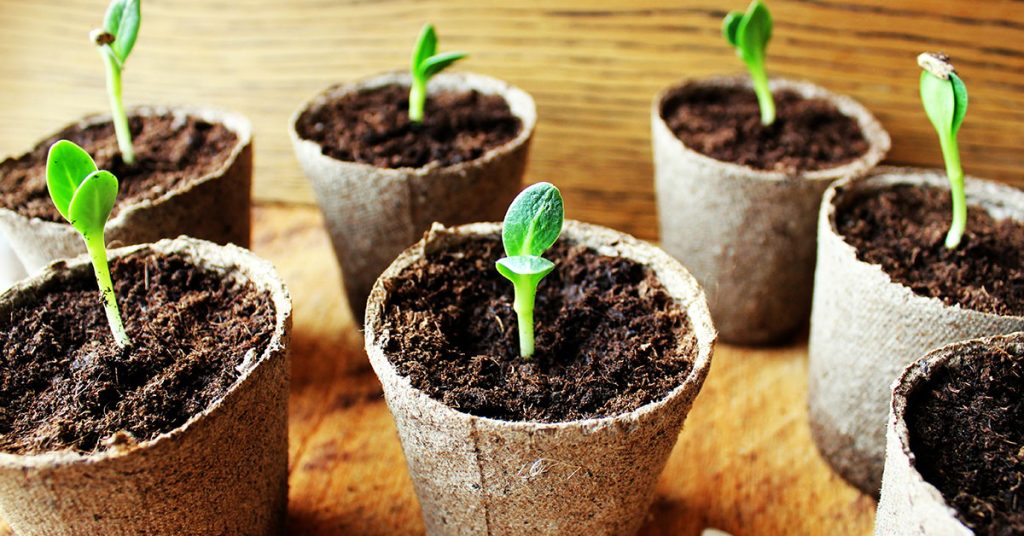
- Sowing Seeds: Plant 3 to 4 Jamboree pumpkin seeds per mound, about 1 inch (2.5 cm) deep. Space the seeds evenly within the mound. Once the seeds germinate and seedlings emerge, thin them to the strongest one or two plants per mound.
- Watering: Keep the soil consistently moist but not waterlogged. Water the plants deeply once or twice a week, providing approximately 1 inch (2.5 cm) of water each time. Avoid overhead watering, as wet foliage can promote disease.
- Sunlight and Temperature: Jamboree pumpkins require full sun exposure, meaning they need at least 6 to 8 hours of direct sunlight daily. They also prefer warm temperatures between 70°F and 85°F (21°C to 29°C) for optimal growth.
- Fertilization: Apply a balanced, slow-release fertilizer to the soil before planting. Additionally, side-dress the plants with compost or a nitrogen-rich fertilizer when the vines start to develop. Follow the package instructions for proper application rates.
- Mulching: Apply a layer of organic mulch, such as straw or wood chips, around the base of the plants. Mulching helps retain soil moisture, suppresses weed growth, and regulates soil temperature.
- Pest and Disease Management: Monitor your Jamboree pumpkin plants regularly for signs of pests like aphids, squash bugs, or cucumber beetles. If detected, use organic insecticides or handpick the pests to prevent damage. Additionally, practice good garden hygiene to minimize the risk of diseases such as powdery mildew or bacterial wilt.
- Pollination: Jamboree pumpkins require pollination to produce fruit. Bees and other pollinators are crucial for this process. To attract them, plant flowers nearby or consider hand-pollinating by transferring pollen from male flowers to female flowers using a small brush or cotton swab.
- Harvesting: Jamboree pumpkins are ready for harvest when the skin is fully orange and hard. The stem should be dry and brown. Use a sharp knife or pruning shears to cut the fruit from the vine, leaving a few inches of stem attached. Handle the pumpkins carefully to avoid any damage.
By following these steps, you can successfully grow Jamboree pumpkins in your garden. Enjoy the process and the bountiful harvest of delicious pumpkins!
When to plant Jamboree Pumpkins outdoors
The ideal time to plant Jamboree pumpkins is in late spring or early summer, once the soil has warmed up and all danger of frost has passed. In most regions, this would be around mid to late May.
Growing & care guide for Jamboree Pumpkins
Jamboree pumpkins are a popular variety known for their vibrant orange color and delicious flavor. To ensure the best growth and yield, here are some best practices for caring for Jamboree pumpkins:
- Location: Choose a sunny spot in your garden with well-draining soil. Pumpkins require at least 6-8 hours of direct sunlight daily for optimal growth.
- Soil Preparation: Before planting, prepare the soil by removing any weeds or debris. Amend the soil with organic matter such as compost or well-rotted manure to improve its fertility and drainage. Pumpkins prefer slightly acidic to neutral soil with a pH range of 6.0-7.0.
- Planting: Sow Jamboree pumpkin seeds directly into the ground after the last frost date in your area. Create mounds or raised beds to improve drainage and prevent waterlogging. Plant the seeds about 1 inch deep and 3-4 feet apart to allow enough space for the vines to spread.
- Watering: Pumpkins require consistent moisture, especially during the fruiting stage. Water deeply, providing about 1-2 inches of water per week. Avoid overhead watering as it can promote the spread of diseases. Instead, use a soaker hose or drip irrigation system to water at the base of the plants.
- Mulching: Apply a layer of organic mulch, such as straw or wood chips, around the base of the plants. Mulching helps retain soil moisture, suppresses weed growth, and regulates soil temperature. It also prevents direct contact between the pumpkins and the soil, reducing the risk of rot.
- Fertilization: Pumpkins are heavy feeders and benefit from regular fertilization. Before planting, incorporate a balanced organic fertilizer into the soil. Once the plants start to develop, side-dress them with compost or a nitrogen-rich fertilizer every 3-4 weeks. Avoid excessive nitrogen as it can result in excessive foliage growth at the expense of fruit production.
- Pest and Disease Control: Monitor your Jamboree pumpkin plants regularly for any signs of pests or diseases. Common pests include squash bugs, cucumber beetles, and powdery mildew. Use organic pest control methods such as handpicking, neem oil sprays, or introducing beneficial insects like ladybugs. Proper spacing and good air circulation can help prevent diseases.
- Pruning and Training: As the vines grow, you may need to gently train them to ensure they don’t overcrowd or shade each other. Prune off any excessive foliage or suckers to redirect energy towards fruit production. Be cautious not to remove too much foliage, as the leaves provide shade and protect the developing pumpkins from sunburn.
- Pollination: Pumpkins require pollination to set fruit. Bees and other pollinators are crucial for this process. Encourage their presence by planting companion flowers like marigolds or zinnias nearby. If pollination seems inadequate, you can hand-pollinate by transferring pollen from male flowers to female flowers using a small brush or cotton swab.
- Harvesting: Jamboree pumpkins are ready for harvest when their skin has hardened and turned a deep orange color. The stem should be dry and starting to crack. Use a sharp knife or pruning shears to cut the pumpkins from the vine, leaving a few inches of stem attached. Handle them carefully to avoid any damage.
By following these best practices, you can ensure healthy and productive Jamboree pumpkin plants that will provide you with a bountiful harvest to enjoy throughout the fall season.
Harvesting guide for Jamboree Pumpkins
Jamboree pumpkins are a popular variety known for their vibrant orange color and delicious flavor. Harvesting these pumpkins at the right time is crucial to ensure they are fully mature and ready for consumption or decoration. Here’s a step-by-step guide on when and how to harvest Jamboree pumpkins:
- Timing: Jamboree pumpkins typically take around 90 to 110 days to reach maturity from the time they are planted as seeds. It’s important to keep track of the planting date to estimate when they will be ready for harvest. Additionally, Jamboree pumpkins are usually harvested in the fall, around late September to early October, depending on your specific climate and growing conditions.
- Color: One of the easiest ways to determine if a Jamboree pumpkin is ready for harvest is by observing its color. When fully mature, the pumpkin should have a deep, consistent orange color all over its surface. Avoid harvesting pumpkins that are still green or have patches of green, as they are not yet ripe.
- Skin hardness: Gently press your finger against the pumpkin’s skin. If it feels hard and resistive, it’s a good indication that the pumpkin is mature. If the skin is still soft and easily indented, it may need more time to ripen.
- Stem drying: Another sign of a ripe Jamboree pumpkin is the drying of the stem. As the pumpkin matures, the stem will start to dry out and turn brown. Once the stem is completely dry and brittle, it’s a clear signal that the pumpkin is ready for harvest.
- Harvesting: To harvest a Jamboree pumpkin, use a sharp knife or pruning shears to cut the stem about 2 to 4 inches above the pumpkin. Be careful not to damage the pumpkin or its stem during the process. Leaving a longer stem can help prolong the pumpkin’s shelf life.
- Curing: After harvesting, it’s essential to cure the Jamboree pumpkins to enhance their flavor and increase their storage life. Place the pumpkins in a warm, dry area with good air circulation, such as a sunny windowsill or a covered porch. Allow them to cure for about 10 to 14 days, which helps toughen the skin and heal any minor cuts or bruises.
- Storage: Once the pumpkins are cured, they can be stored in a cool, dry place with temperatures between 50 to 55°F (10 to 13°C). Make sure to keep them away from direct sunlight and moisture, as these conditions can cause rotting. Properly cured and stored Jamboree pumpkins can last for several months.
By following these guidelines, you’ll be able to harvest your Jamboree pumpkins at the perfect time, ensuring they are flavorful, vibrant, and ready for your fall festivities.