
Welcome to the world of Futsu Black pumpkins, a unique and captivating variety that will surely add a touch of elegance to your garden. With its striking dark green skin and vibrant orange flesh, this Japanese heirloom pumpkin is not only visually stunning but also boasts a rich, nutty flavor that is perfect for both sweet and savory dishes. In this article, we will delve into the intricacies of growing Futsu Black pumpkins, from selecting the right seeds to nurturing the plants throughout their growth cycle.
Whether you are a seasoned gardener or a beginner looking to embark on a new pumpkin-growing adventure, this comprehensive guide will equip you with the knowledge and techniques needed to cultivate healthy and bountiful Futsu Black pumpkins in your own backyard. So, let’s roll up our sleeves and get ready to unlock the secrets of growing this extraordinary variety!
What are Futsu Black Pumpkins?
Futsu Black pumpkin, also known as Black Kuri pumpkin or Japanese Black pumpkin, is a unique and visually striking variety of pumpkin. It is characterized by its small to medium size, typically weighing around 2-4 pounds (1-2 kilograms). The pumpkin has a flattened shape with a slightly ribbed and bumpy exterior. The skin of Futsu Black pumpkin is a deep, dark green color when young, gradually turning to a rich, glossy black as it matures. This distinct coloration sets it apart from other pumpkin varieties. The flesh of the pumpkin is dense, sweet, and nutty, with a vibrant orange hue. Futsu Black pumpkins are highly versatile and can be used in a variety of culinary applications. They are particularly well-suited for roasting, baking, or making into soups and purees. Their unique flavor and striking appearance make them an excellent choice for both decorative and culinary purposes.
In terms of cultivation, Futsu Black pumpkins require similar growing conditions as other pumpkin varieties. They thrive in full sun and well-drained soil. It is important to provide them with ample space to spread out, as the vines can grow quite long. Regular watering and fertilization are necessary to ensure healthy growth and fruit development. Harvesting Futsu Black pumpkins is typically done when the skin has turned completely black and the stem has dried out. They can be stored in a cool, dry place for several months, making them an excellent choice for long-term storage. Overall, Futsu Black pumpkin is a visually stunning and delicious variety that adds a unique touch to any garden or culinary creation.
What do Futsu Black Pumpkins taste like?
Futsu Black pumpkin, also known as Black Futzu, is a unique and delicious variety of pumpkin that offers a distinct flavor profile. This Japanese heirloom pumpkin is known for its dark green to black skin and vibrant orange flesh.
In terms of taste, Futsu Black pumpkin has a rich, sweet, and nutty flavor. The flesh is dense and smooth, with a creamy texture that melts in your mouth. The sweetness is reminiscent of butternut squash, but with a slightly earthier and more complex flavor.
When cooked, Futsu Black pumpkin develops a deep, caramelized taste that enhances its natural sweetness. It is often described as having hints of chestnut or hazelnut, adding a delightful nuttiness to its overall flavor profile. This pumpkin variety is also known for its subtle savory undertones, making it a versatile ingredient in both sweet and savory dishes.
Whether roasted, pureed, or used in soups, stews, or desserts, Futsu Black pumpkin provides a delightful and unique flavor experience. Its sweet and nutty characteristics make it a popular choice for pumpkin pies, custards, and other baked goods. Additionally, its rich flavor pairs well with spices like cinnamon, nutmeg, and ginger, enhancing the overall taste profile.
Overall, Futsu Black pumpkin offers a delicious combination of sweetness, nuttiness, and earthiness, making it a fantastic choice for culinary creations and a delightful addition to any pumpkin lover’s palate.
How to start Futsu Black Pumpkins from A seed
Here’s a step-by-step guide on starting Futsu Black pumpkins:
- Choose the right time: Futsu Black pumpkins are typically grown in the spring or early summer. Make sure the soil has warmed up to at least 60°F (15°C) before planting.
- Select a suitable location: Futsu Black pumpkins require full sun, so choose a spot in your garden that receives at least 6-8 hours of direct sunlight daily. The soil should be well-draining and rich in organic matter.
- Prepare the soil: Before planting, prepare the soil by removing any weeds or debris. Loosen the soil to a depth of about 12 inches (30 cm) and incorporate compost or well-rotted manure to improve fertility and drainage.
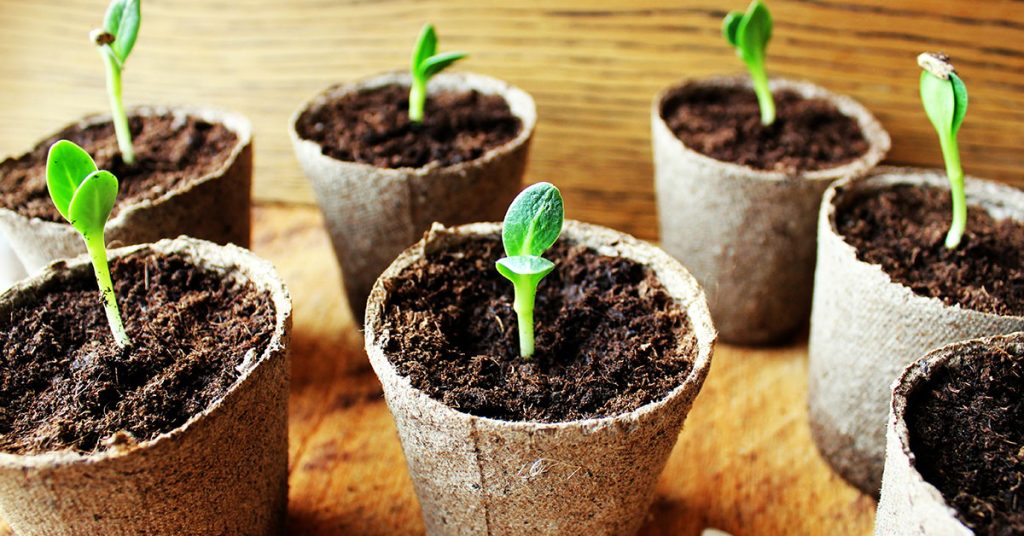
- Start seeds indoors (optional): If you have a short growing season, you can start Futsu Black pumpkin seeds indoors about 2-3 weeks before the last frost date. Use biodegradable pots or seed trays filled with seed-starting mix. Plant the seeds about 1 inch (2.5 cm) deep and keep them in a warm location (around 70°F or 21°C) until they germinate.
- Direct sowing: Alternatively, you can directly sow Futsu Black pumpkin seeds into the garden. Plant the seeds about 1 inch (2.5 cm) deep, placing 2-3 seeds in each planting hole. Space the holes about 3-4 feet (0.9-1.2 meters) apart to allow the vines to spread.
- Watering: Keep the soil consistently moist but not waterlogged. Water deeply once or twice a week, depending on the weather conditions. Avoid overhead watering, as it can promote the development of fungal diseases. Instead, use a soaker hose or drip irrigation to water at the base of the plants.
- Fertilization: Futsu Black pumpkins benefit from regular fertilization. Apply a balanced organic fertilizer or compost every 3-4 weeks throughout the growing season. Be careful not to over-fertilize, as this can lead to excessive vine growth and fewer fruits.
- Mulching: Apply a layer of organic mulch, such as straw or wood chips, around the base of the plants. Mulching helps retain moisture, suppresses weed growth, and regulates soil temperature.
- Pest and disease control: Monitor your plants regularly for pests like aphids, squash bugs, and cucumber beetles. Use organic pest control methods such as handpicking, insecticidal soaps, or neem oil if necessary. Fungal diseases like powdery mildew can also affect pumpkins, so ensure good air circulation and avoid overhead watering.
- Harvesting: Futsu Black pumpkins are ready for harvest when their skin turns a deep, dark greenish-brown color and the stem starts to dry out. Cut the pumpkins from the vine, leaving about 2-3 inches (5-7.5 cm) of stem attached. Cure the pumpkins in a warm, dry location for about 2 weeks to harden the skin and improve their storage life.
By following these steps, you should be able to successfully grow Futsu Black pumpkins in your garden. Enjoy the process and the delicious fruits that await you!
When to plant Futsu Black Pumpkins outdoors
The ideal time to plant Futsu Black pumpkins is in late spring or early summer, when the soil temperature has reached around 60°F (15°C) and all chances of frost have passed. This variety of pumpkin requires warm soil and a long growing season, so it’s important to plant them at the right time to ensure optimal growth and fruit production.
Growing & care guide
Futsu Black pumpkins, also known as Japanese Black pumpkins, are a unique and flavorful variety that require specific care to thrive. Here are some best practices for caring for Futsu Black pumpkins:
- Location: Choose a sunny spot in your garden that receives at least 6-8 hours of direct sunlight daily. Pumpkins need ample sunlight to grow and develop properly.
- Soil preparation: Futsu Black pumpkins prefer well-draining soil that is rich in organic matter. Prior to planting, amend the soil with compost or well-rotted manure to improve its fertility and drainage. The ideal pH range for pumpkins is between 6.0 and 7.5.
- Planting: Wait until all chances of frost have passed before planting Futsu Black pumpkin seeds. Sow the seeds directly into the prepared soil, about 1 inch deep and 3-4 feet apart. You can also start the seeds indoors 2-3 weeks before the last frost date and transplant them outdoors once the soil has warmed up.
- Watering: Pumpkins require consistent moisture, especially during the fruiting stage. Water deeply, providing around 1-2 inches of water per week. Avoid overhead watering, as it can promote the development of fungal diseases. Instead, water at the base of the plants to keep the foliage dry.
- Mulching: Apply a layer of organic mulch around the base of the plants to help retain soil moisture, suppress weed growth, and regulate soil temperature. Straw, shredded leaves, or grass clippings can be used as mulch.
- Fertilization: Futsu Black pumpkins benefit from regular feeding. Apply a balanced organic fertilizer, such as a 10-10-10 or 5-5-5 formula, at planting time and again when the vines start to develop. Avoid excessive nitrogen fertilizers, as they can promote excessive foliage growth at the expense of fruit production.
- Pollination: Pumpkins require pollination for fruit set. Bees and other pollinators are essential for transferring pollen between male and female flowers. To attract pollinators, avoid using pesticides that may harm them. If you notice a lack of pollinators, you can hand-pollinate the flowers by transferring pollen from the male flowers to the female flowers using a small brush or cotton swab.
- Pruning: Futsu Black pumpkins generally do not require extensive pruning. However, you can remove any damaged or diseased leaves to improve air circulation and reduce the risk of fungal infections. Additionally, you can trim back excessive vine growth to redirect energy towards fruit development.
- Pest and disease control: Monitor your plants regularly for common pumpkin pests such as aphids, squash bugs, and cucumber beetles. If necessary, use organic pest control methods like handpicking, insecticidal soaps, or neem oil. Fungal diseases like powdery mildew and downy mildew can be prevented by providing adequate air circulation, avoiding overhead watering, and applying organic fungicides if needed.
- Harvesting: Futsu Black pumpkins are ready for harvest when their skin turns a deep, dark green or black color and the stem starts to dry out. Use a sharp knife or pruning shears to cut the pumpkin from the vine, leaving a few inches of stem attached. Handle the pumpkins carefully to avoid bruising or damaging them.
By following these best practices, you can ensure the successful growth and development of Futsu Black pumpkins, resulting in a bountiful harvest of delicious and unique pumpkins.
Harvesting guide
Futsu Black pumpkins, also known as Japanese Black pumpkins, are a unique variety that is known for its dark green skin and sweet, nutty flavor. Harvesting Futsu Black pumpkins at the right time is crucial to ensure optimal taste and storage longevity. Here’s a step-by-step guide on when and how to harvest Futsu Black pumpkins:
Timing: Futsu Black pumpkins are typically ready for harvest around 90-110 days after planting. However, it’s essential to pay attention to the signs of maturity rather than relying solely on the number of days. Look for the following indicators to determine if your pumpkins are ready to be harvested:
- The skin color changes from dark green to a duller shade.
- The skin becomes hard and cannot be easily punctured with a fingernail.
- The stem connecting the pumpkin to the vine starts to dry out and turn brown.
Harvesting: Once you’ve determined that your Futsu Black pumpkins are mature, it’s time to harvest them. Follow these steps for a successful harvest:
- Choose a dry day to harvest, as wet conditions can increase the chances of rotting.
- Use a sharp knife or pruning shears to cut the pumpkin from the vine, leaving about 2-3 inches of stem attached to the fruit. This stem helps prevent rotting and extends the pumpkin’s shelf life.
- Avoid pulling or twisting the pumpkin off the vine, as this can damage the fruit or the plant.
- Be gentle while handling the pumpkins to prevent bruising or scratching the skin.
Curing: After harvesting, it’s essential to cure the Futsu Black pumpkins to enhance their flavor and improve their storage life. Follow these steps for proper curing:
- Place the harvested pumpkins in a warm, dry, and well-ventilated area, such as a sunny windowsill or a covered porch.
- Allow the pumpkins to cure for about 10-14 days. During this time, the skin will harden further, and any minor cuts or scratches will heal.
- Maintain a temperature of around 80-85°F (27-29°C) and humidity levels of 70-80% for optimal curing.
Storage: Once the Futsu Black pumpkins have completed the curing process, they can be stored for several months if done correctly. Here are some storage tips:
- Choose a cool, dry, and dark location for storing the pumpkins, such as a basement or a pantry.
- Keep the pumpkins off the ground by placing them on a wooden pallet or a layer of straw to prevent moisture buildup.
- Check the pumpkins regularly for any signs of rotting or decay. Remove any damaged pumpkins to prevent the spread of spoilage.
- With proper storage conditions, Futsu Black pumpkins can last up to 3-6 months.
By following these guidelines, you can ensure a successful harvest and enjoy the delicious taste of Futsu Black pumpkins for an extended period.