
Welcome to the world of the aptly named Warty Goblin pumpkin! If you’re looking to add a touch of whimsy and uniqueness to your pumpkin patch, then you’ve come to the right place. Warty Goblin pumpkins, also known as Cucurbita pepo ‘Warty Goblin,’ are a fascinating variety that will captivate both children and adults alike.
With their distinctive warty skin, these pumpkins are a sight to behold and make for an excellent addition to fall decorations, Halloween displays, or even culinary creations. In this article, we will delve into the secrets of successfully growing Warty Goblin pumpkins, from selecting the right seeds to providing optimal growing conditions, so you can enjoy a bountiful harvest of these enchanting gourds.
So, let’s roll up our sleeves and get ready to embark on a delightful journey of growing Warty Goblin pumpkins!
What is a Warty Goblin pumpkin?
The Warty Goblin pumpkin is a unique and eye-catching variety known for its distinctive warty and bumpy skin. This medium-sized pumpkin typically weighs between 8 to 12 pounds and has a round to slightly flattened shape. The skin color can vary from a deep orange to a vibrant yellow, making it an attractive addition to any fall display. One of the standout features of the Warty Goblin pumpkin is its numerous warts and bumps that cover the entire surface. These warts can range in size and shape, giving each pumpkin its own individual character.
The warts are not only visually appealing but also add texture and interest to the pumpkin. In terms of growing, the Warty Goblin pumpkin is relatively easy to cultivate. It requires full sun exposure and well-drained soil with a pH level between 6.0 to 6.8. It is recommended to start the seeds indoors about 2-3 weeks before the last frost date and transplant them outdoors once the soil has warmed up. Regular watering is essential for the Warty Goblin pumpkin, especially during dry spells.
It is also important to provide adequate space for the vines to spread, as they can grow up to 10-15 feet in length. Regular fertilization with a balanced organic fertilizer will help promote healthy growth and maximize fruit production. Harvesting the Warty Goblin pumpkin is typically done when the skin has fully hardened and the stem starts to dry out.
This is usually around 75-100 days after planting. Once harvested, the pumpkins can be used for various purposes, including carving, decorating, or cooking. The Warty Goblin pumpkin’s unique appearance makes it a popular choice for Halloween decorations and fall-themed displays.
What do Warty Goblin pumpkins taste like?
The Warty Goblin pumpkin is known for its unique flavor profile that combines sweetness and nuttiness with a hint of earthiness. Its flesh is dense and smooth, offering a creamy texture when cooked. The flavor is often described as rich and buttery, with a subtle sweetness that is not overpowering. This pumpkin variety also has a slightly nutty undertone, reminiscent of roasted chestnuts or hazelnuts. The earthy notes add depth to the overall taste, making it a versatile pumpkin for both sweet and savory dishes. Whether used in pies, soups, or roasted as a side dish, the Warty Goblin pumpkin brings a distinct and delightful flavor to any recipe.
How to start Warty Goblin pumpkin seeds
Warty Goblin pumpkins are unique and fascinating varieties known for their warty, bumpy skin and vibrant orange color. If you’re interested in growing these eye-catching pumpkins in your garden, here’s a step-by-step guide to help you get started:
- Selecting Seeds: Begin by choosing high-quality Warty Goblin pumpkin seeds from a reputable seed supplier or nursery. Look for seeds that are fresh, viable, and specifically labeled as Warty Goblin pumpkins.
- Timing: Warty Goblin pumpkins require a long growing season, typically around 100-120 days from planting to harvest. Start your seeds indoors about 2-3 weeks before the last expected frost date in your area. This will give your seedlings a head start and ensure they have enough time to mature before the colder weather arrives.
- Soil Preparation: Warty Goblin pumpkins prefer well-draining, fertile soil. Prepare your garden bed by loosening the soil to a depth of at least 12 inches. Incorporate organic matter such as compost or well-rotted manure to improve soil fertility and drainage.
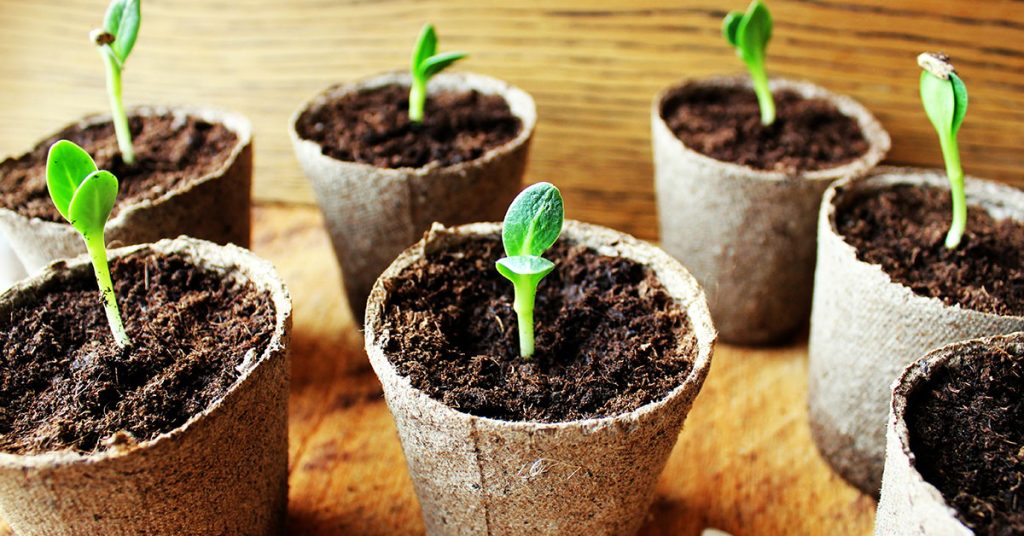
- Planting Seeds: Fill seed trays or small pots with seed-starting mix. Plant one or two Warty Goblin pumpkin seeds per container, about 1 inch deep. Water gently to ensure the soil is evenly moist but not waterlogged. Place the containers in a warm location with temperatures around 70-85°F (21-29°C).
- Germination: Warty Goblin pumpkin seeds usually germinate within 7-10 days. Once the seedlings emerge, provide them with plenty of bright, indirect light. If you’re using artificial lighting, keep it about 4-6 inches above the seedlings to prevent them from becoming leggy.
- Transplanting: When the seedlings have developed their first true leaves and all danger of frost has passed, it’s time to transplant them into the garden. Choose a sunny spot with at least 6-8 hours of direct sunlight per day. Space the seedlings about 3-4 feet apart to allow for adequate air circulation and pumpkin growth.
- Watering and Fertilizing: Warty Goblin pumpkins require consistent moisture throughout the growing season. Water deeply, providing about 1 inch of water per week. Avoid overhead watering, as wet foliage can lead to disease. Apply a balanced organic fertilizer every 3-4 weeks to promote healthy growth.
- Mulching: Apply a layer of organic mulch around the base of the plants to help retain soil moisture, suppress weed growth, and regulate soil temperature. Straw, shredded leaves, or wood chips make excellent mulch choices for pumpkins.
- Pruning and Training: As the Warty Goblin pumpkin vines grow, you may need to gently train them to prevent overcrowding and promote better air circulation. Remove any suckers or side shoots that develop between the main vine and the leaf stems. This will help focus the plant’s energy on fruit production.
- Pest and Disease Control: Keep an eye out for common pumpkin pests such as aphids, squash bugs, and cucumber beetles. Regularly inspect your plants and take appropriate measures, such as handpicking or using organic insecticides, to control infestations. Additionally, practice good garden hygiene by removing any fallen leaves or debris that may harbor diseases.
- Harvesting: Warty Goblin pumpkins are ready for harvest when their skin has fully turned orange and the stems have dried and turned brown. Use a sharp knife or pruning shears to cut the pumpkins from the vine, leaving a few inches of stem attached. Handle them carefully to avoid any damage to the warty skin.
By following these steps, you’ll be well on your way to growing beautiful Warty Goblin pumpkins in your garden. Enjoy the process and the unique charm these pumpkins bring to your autumn displays!
When to plant Warty Goblin pumpkins outdoors
The ideal time to plant Warty Goblin pumpkins is in late spring or early summer, once all chances of frost have passed and the soil temperature has reached around 60°F (15°C). This is typically around May or June, depending on your specific location. Planting at this time will ensure that the pumpkins have enough time to mature before the first frost in the fall.
Growing & care guide
Warty Goblin pumpkins are a unique variety known for their warty and gnarled appearance, making them a popular choice for Halloween decorations. To ensure healthy growth and a bountiful harvest, it’s important to follow some best practices for caring for Warty Goblin pumpkins. Here are some guidelines to help you achieve success:
- Location and Soil: Choose a sunny location for your Warty Goblin pumpkins, as they require at least 6-8 hours of direct sunlight daily. The soil should be well-draining and rich in organic matter. Prior to planting, amend the soil with compost or well-rotted manure to improve its fertility and drainage.
- Planting: Start by preparing the planting area by loosening the soil to a depth of 12-18 inches. Sow the seeds directly into the soil once the danger of frost has passed and the soil temperature has reached around 60°F (15°C). Plant the seeds about 1 inch deep and space them 3-4 feet apart to allow ample room for the vines to spread.
- Watering: Warty Goblin pumpkins require regular watering to maintain consistent moisture levels in the soil. Water deeply, ensuring that the soil is evenly moist but not waterlogged. Avoid overhead watering, as wet foliage can lead to fungal diseases. Mulching around the plants can help retain moisture and suppress weed growth.
- Fertilization: Pumpkins are heavy feeders, so it’s important to provide them with regular fertilization. Before planting, incorporate a balanced organic fertilizer into the soil. Once the plants have established, side-dress them with compost or a slow-release organic fertilizer every 3-4 weeks throughout the growing season. This will provide the necessary nutrients for healthy growth and fruit development.
- Pruning and Training: Warty Goblin pumpkins produce long vines that can sprawl across the garden. To save space and promote better air circulation, consider training the vines to grow in a specific direction or trellising them. Prune off any excessive side shoots or suckers to redirect the plant’s energy towards fruit production.
- Pest and Disease Control: Keep a close eye on your Warty Goblin pumpkins for any signs of pests or diseases. Common pests that can affect pumpkins include squash bugs, cucumber beetles, and vine borers. Regularly inspect the plants and take appropriate measures, such as handpicking or using organic insecticides, to control pest populations. Fungal diseases like powdery mildew and downy mildew can also be a concern. To prevent these diseases, avoid overhead watering, provide adequate spacing between plants for good air circulation, and apply organic fungicides if necessary.
- Harvesting: Warty Goblin pumpkins are ready for harvest when their skin has hardened and developed a deep orange color. The warts on the surface should be fully formed and firm. Use a sharp knife or pruning shears to cut the pumpkin from the vine, leaving a few inches of stem attached. Handle the pumpkins carefully to avoid any damage that could lead to rotting during storage.
By following these best practices, you can ensure the successful growth and development of your Warty Goblin pumpkins. Enjoy the process and the unique, warty appearance of these fascinating pumpkins!
Harvesting guide
Warty Goblin pumpkins are a unique and fascinating variety known for their warty and bumpy skin texture. To ensure a successful harvest of Warty Goblin pumpkins, it’s important to understand the optimal timing and techniques. Here’s a step-by-step guide:
- Timing: Warty Goblin pumpkins typically take around 90-100 days to mature from the time of planting. The exact timing may vary depending on your specific growing conditions and climate. It’s crucial to keep track of the planting date to estimate the harvest time accurately.
- Visual cues: Look for visual signs that indicate the pumpkins are ready for harvest. Warty Goblin pumpkins will develop a deep orange color when fully mature. Additionally, the warts and bumps on the skin will become more pronounced and hardened. The stem connecting the pumpkin to the vine will also start to dry out and turn brown.
- Tapping test: Another way to determine if a Warty Goblin pumpkin is ready for harvest is by performing a tapping test. Gently tap the pumpkin’s skin with your knuckles. If it sounds hollow, it’s a good indication that the pumpkin is mature and ready to be harvested.
- Harvesting technique: To harvest a Warty Goblin pumpkin, use a sharp knife or pruning shears to cut the stem, leaving about 3-4 inches attached to the pumpkin. Avoid pulling or twisting the pumpkin, as this may damage the vine or the pumpkin itself. It’s essential to handle the pumpkins with care to prevent any bruising or injuries.
- Curing: After harvesting, it’s beneficial to cure the Warty Goblin pumpkins. Curing involves placing the pumpkins in a warm and dry location, preferably around 80-85°F (27-29°C), for about 10-14 days. This process helps harden the skin, extend the shelf life, and enhance the flavor of the pumpkins.
- Storage: Once the Warty Goblin pumpkins are cured, they can be stored in a cool and dry place, such as a basement or cellar, with a temperature range of 50-55°F (10-13°C). Proper ventilation is crucial to prevent mold or rot. With proper storage conditions, Warty Goblin pumpkins can last for several months.
By following these guidelines, you can ensure a successful harvest of Warty Goblin pumpkins with their unique warty appearance and delicious flavor. Happy gardening!