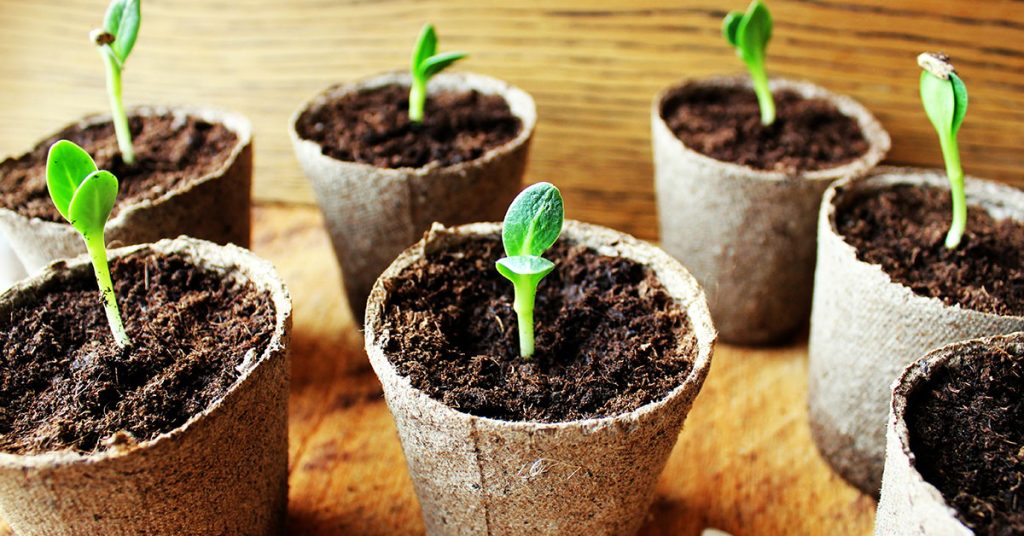

Welcome to the world of the Wee-B-Little pumpkin, the adorable and compact variety that is sure to add a touch of whimsy to your garden. These petite pumpkins may be small in size, but they pack a punch when it comes to flavor and versatility. Whether you’re a seasoned gardener or a beginner with a green thumb, growing Wee-B-Little pumpkins is a rewarding and enjoyable experience. In this article, we will delve into the specifics of cultivating these delightful pumpkins, from selecting the right seeds to providing optimal growing conditions.
Get ready to embark on a journey of pumpkin-growing success and create a stunning display of these charming little gems in your garden.
What are Wee-B-Little pumpkins?
Wee-B-Little pumpkin, scientifically known as Cucurbita pepo, is a small-sized pumpkin variety that is popular among gardeners and pumpkin enthusiasts. It is a miniature pumpkin with a round shape and a vibrant orange color. Wee-B-Little pumpkins typically grow to be around 3-4 inches in diameter and weigh about 8-12 ounces. These adorable pumpkins are perfect for decorative purposes, especially during the fall season.
They can be used for table centerpieces, autumn displays, or even as individual decorations. Wee-B-Little pumpkins are also great for crafting projects, such as painting or carving. In terms of cultivation, Wee-B-Little pumpkins are relatively easy to grow. They require full sun exposure and well-drained soil. It is recommended to sow the seeds directly into the garden after the last frost date. The plants should be spaced about 2-3 feet apart to allow for proper growth and airflow. Regular watering is essential for the healthy development of Wee-B-Little pumpkins.
It is important to keep the soil consistently moist, but not overly saturated. Mulching around the plants can help retain moisture and suppress weed growth. Wee-B-Little pumpkins typically mature in about 90-100 days after planting. Once they reach maturity, they can be harvested by cutting the stem about 1 inch above the pumpkin. It is advisable to leave a short stem intact to prolong their shelf life. Overall, Wee-B-Little pumpkins are a delightful addition to any garden or fall-themed decor. With their compact size and vibrant color, they bring a touch of charm and whimsy to any setting.
What does a Wee-B-Little pumpkin taste like?
Wee-B-Little pumpkins are known for their delicious flavor profile. They have a sweet and nutty taste, similar to traditional pumpkin varieties. The flesh is smooth and creamy, with a slightly dense texture that melts in your mouth. The flavor is often described as rich and earthy, with hints of caramel and butterscotch. Wee-B-Little pumpkins are also known for their subtle sweetness, making them perfect for both savory and sweet dishes. Whether roasted, baked, or pureed, these pumpkins add a delightful flavor to soups, pies, breads, and other culinary creations.
How to start Wee-B-Little pumpkin seeds
Here’s a guide on starting Wee-B-Little pumpkins:
- Selecting Seeds: Start by choosing high-quality Wee-B-Little pumpkin seeds from a reputable supplier or garden center. Look for seeds that are plump, firm, and free from any signs of damage or disease.
- Timing: Wee-B-Little pumpkins are warm-season crops, so it’s important to start them indoors or in a greenhouse about 2-3 weeks before the last frost date in your area. This will give them a head start and ensure they have enough time to mature before the end of the growing season.
- Soil Preparation: Prepare a well-draining soil mix for your Wee-B-Little pumpkins. They prefer a slightly acidic soil with a pH level between 6.0 and 6.8. Amend the soil with organic matter, such as compost or well-rotted manure, to improve its fertility and drainage.
- Germination: Fill small seed trays or pots with the prepared soil mix. Plant the Wee-B-Little pumpkin seeds about 1 inch deep, placing one seed per pot. Water the soil gently to ensure it’s evenly moist but not waterlogged.
- Temperature and Light: Place the seed trays or pots in a warm location with a temperature of around 70-85°F (21-29°C). Provide them with at least 6-8 hours of direct sunlight each day or use grow lights if natural light is limited.
- Watering: Keep the soil consistently moist but avoid overwatering, as it can lead to rotting. Water the seedlings from the bottom by placing the pots in a tray of water and allowing them to soak up the moisture. This helps prevent waterlogging the soil.
- Transplanting: Once the danger of frost has passed and the seedlings have developed a few sets of true leaves, they can be transplanted outdoors. Choose a sunny spot in your garden with well-draining soil. Space the seedlings about 3-4 feet apart to allow enough room for their vines to spread.
- Care and Maintenance: Wee-B-Little pumpkins require regular watering, especially during dry periods. Mulching around the plants helps retain moisture and suppresses weed growth. Fertilize the plants every 2-3 weeks with a balanced organic fertilizer to promote healthy growth.
- Pest and Disease Control: Monitor your plants regularly for common pumpkin pests like aphids, squash bugs, and cucumber beetles. Use organic insecticides or handpick the pests if necessary. To prevent diseases, avoid overhead watering and provide good air circulation around the plants.
- Harvesting: Wee-B-Little pumpkins are ready for harvest when they reach a size of about 3-4 inches in diameter and have a deep orange color. Cut the pumpkins from the vine using a sharp knife or pruning shears, leaving a short stem attached. Handle them carefully to avoid any damage.
By following these steps, you should be able to successfully start and grow Wee-B-Little pumpkins. Enjoy the process and the delightful miniature pumpkins they produce!
When to plant Wee-B-Little pumpkins outdoors
The ideal time to plant Wee-B-Little pumpkins is in late spring or early summer, after the last frost has passed and the soil has warmed up. This is typically around mid to late May in most regions. Planting at this time will give the pumpkins enough time to mature before the first frost in the fall.
Growing & care guide
Wee-B-Little pumpkins, also known as miniature pumpkins, are delightful additions to any garden or fall decoration. These small-sized pumpkins are not only adorable but also relatively easy to grow and care for. To ensure a successful harvest of Wee-B-Little pumpkins, here are some best practices to follow:
- Location: Choose a sunny spot in your garden that receives at least 6-8 hours of direct sunlight daily. Pumpkins thrive in warm temperatures, so make sure the location is well-drained and protected from strong winds.
- Soil Preparation: Prepare the soil by loosening it to a depth of about 12-18 inches. Incorporate organic matter like compost or well-rotted manure to improve soil fertility and drainage. Wee-B-Little pumpkins prefer slightly acidic soil with a pH range of 6.0-6.8.
- Planting: Sow Wee-B-Little pumpkin seeds directly into the garden after the last frost date in your area. Plant the seeds about 1 inch deep, with a spacing of 2-3 feet between each plant. You can also start seeds indoors 2-3 weeks before the last frost and transplant them once the soil has warmed up.
- Watering: Pumpkins require consistent moisture, especially during the flowering and fruiting stages. Water deeply, ensuring the soil is evenly moist but not waterlogged. Avoid overhead watering, as it can promote the development of fungal diseases. Consider using a soaker hose or drip irrigation system to deliver water directly to the roots.
- Mulching: Apply a layer of organic mulch, such as straw or wood chips, around the base of the plants. Mulching helps retain soil moisture, suppresses weed growth, and regulates soil temperature. It also prevents direct contact between the pumpkins and the soil, reducing the risk of rot or disease.
- Fertilizing: Pumpkins are heavy feeders and benefit from regular fertilization. Before planting, incorporate a balanced organic fertilizer into the soil. Once the vines start to develop, side-dress the plants with compost or a nitrogen-rich fertilizer every 3-4 weeks. Avoid excessive nitrogen, as it can promote excessive foliage growth at the expense of fruit production.
- Pruning and Training: Wee-B-Little pumpkins typically have compact vines, but it’s still beneficial to train them to grow in a controlled manner. Encourage the main vine to grow by removing any lateral shoots or suckers that emerge from the leaf axils. This helps focus the plant’s energy on fruit production and improves air circulation, reducing the risk of diseases.
- Pest and Disease Control: Keep an eye out for common pumpkin pests like aphids, squash bugs, and cucumber beetles. Regularly inspect the plants and remove any affected leaves or insects by hand. Applying organic insecticides or using companion planting techniques can also help deter pests. Additionally, ensure good airflow and avoid overhead watering to prevent fungal diseases like powdery mildew. If necessary, treat with appropriate fungicides.
- Harvesting: Wee-B-Little pumpkins are ready for harvest when they reach a deep orange color and have a hard rind. Cut the pumpkins from the vine using a sharp knife or pruning shears, leaving a short stem attached. Handle them gently to avoid any bruising or damage.
By following these best practices, you can enjoy a bountiful harvest of Wee-B-Little pumpkins and add a touch of autumn charm to your garden or fall decorations. Happy gardening!
Harvesting guide
Wee-B-Little pumpkins are a popular variety known for their small size and decorative appeal. Here’s a guide on when and how to harvest Wee-B-Little pumpkins:
- Timing: Wee-B-Little pumpkins typically take around 90-100 days to mature from the time of planting. The exact timing may vary depending on your specific growing conditions and climate. It’s essential to keep track of the planting date to estimate the harvest time accurately.
- Color and Texture: Wee-B-Little pumpkins are ready to harvest when they have reached their full color and have a hard, mature skin. The skin should be a deep orange or yellowish-orange hue, depending on the variety. Avoid harvesting them too early when the skin is still green or pale.
- Size: Wee-B-Little pumpkins are small, usually measuring around 3-4 inches in diameter when fully mature. However, size can vary slightly depending on growing conditions. Harvest them when they have reached their expected size, as overly large pumpkins may lack flavor and tenderness.
- Stem and Vine: Before harvesting, check the stem of the pumpkin. It should be dry, brown, and woody. If the stem is green or still attached to a green vine, the pumpkin is not yet ready for harvest. Use a sharp knife or pruning shears to cut the pumpkin from the vine, leaving about 2-3 inches of stem attached.
- Harvesting: Gently lift the pumpkin from the ground, supporting it with your hand or using a cushioned surface to prevent any damage. Avoid pulling or twisting the pumpkin, as this can cause stem breakage or damage the fruit.
- Curing: After harvesting, it’s beneficial to cure Wee-B-Little pumpkins to enhance their flavor, texture, and shelf life. Place them in a warm, dry, and well-ventilated area for about 10-14 days. This process allows the skin to harden further and any minor cuts or bruises to heal.
- Storage: Once cured, Wee-B-Little pumpkins can be stored in a cool, dry place with good air circulation. They can last for several months if stored properly. Check them periodically for any signs of decay or rot, and remove any damaged pumpkins to prevent spoilage.
Remember, harvesting Wee-B-Little pumpkins at the right time ensures optimal flavor and quality. Enjoy using these adorable pumpkins for decorative purposes, cooking, or making delicious pumpkin treats!