
Welcome to the world of okra cultivation in Zone 11! If you’re a gardening enthusiast residing in this tropical or subtropical region, you’re in luck. Zone 11, which includes areas like Southern Florida, Hawaii, and Puerto Rico, provides an ideal climate for growing okra. This versatile and heat-loving vegetable thrives in warm temperatures and long growing seasons, making it a popular choice for gardeners in this zone. In this article, we will delve into the specifics of when to plant okra in Zone 11, ensuring that you have all the knowledge and guidance needed to cultivate a successful okra crop in your garden.
Best okra varieties to grow in zone 11
In Zone 11, where the climate is warm and tropical, there are several okra varieties that thrive. Here are a few recommended varieties for Zone 11:
- Clemson Spineless: This is a popular variety known for its high yields and disease resistance. It produces tender, spineless pods and is well-suited for hot climates.
- Emerald: Emerald okra is another excellent choice for Zone 11. It is a vigorous variety that produces dark green pods. It has good heat tolerance and is resistant to many common okra diseases.
- Jambalaya: Jambalaya okra is a hybrid variety that performs well in hot climates. It produces large, spineless pods that are tender and flavorful.
- Annie Oakley II: This variety is known for its early maturity and high productivity. It produces dark green pods that are spineless and tender.
- Burgundy: If you’re looking for something a little different, Burgundy okra is a unique variety with deep burgundy-colored pods. It is heat-tolerant and has good disease resistance.
Remember to provide these okra varieties with full sun exposure and well-draining soil. Regular watering and fertilization will also help ensure healthy growth and abundant harvests.
When to plant okra in zone 11
In zone 11, which is characterized by a tropical climate, the best time to plant okra is during the warm season when temperatures consistently stay above 60°F (15°C). Okra is a warm-season crop that thrives in hot and humid conditions, so it is important to avoid planting it during cooler periods.
Here is a breakdown of the best planting times for okra in each of the hardiness zones within zone 11:
Zone 11a: This zone experiences mild winters with average minimum temperatures ranging from 40°F (4°C) to 45°F (7°C). In this zone, you can start planting okra as early as February or March, as long as the soil has warmed up and there is no longer a risk of frost.
Zone 11b: This zone has slightly warmer winters compared to zone 11a, with average minimum temperatures ranging from 45°F (7°C) to 50°F (10°C). Okra can be planted as early as January or February, depending on the specific conditions and frost-free dates in your area.
Zone 11c: This zone experiences mild to warm winters, with average minimum temperatures ranging from 50°F (10°C) to 55°F (13°C). In this zone, you can start planting okra as early as December or January, once the risk of frost has passed.
Zone 11d: This zone has warm winters, with average minimum temperatures ranging from 55°F (13°C) to 60°F (15°C). Okra can be planted as early as November or December, depending on the specific conditions and frost-free dates in your area.
It is important to note that these are general guidelines, and local weather patterns and microclimates can vary. It is always a good idea to consult with local gardening resources, such as cooperative extension offices or experienced gardeners in your area, to get more precise planting recommendations based on your specific location within zone 11.
How to grow okra in zone 11
Growing okra requires careful planning and attention to detail. Here are the steps and considerations to keep in mind:
- Climate and Season: Okra thrives in warm climates with temperatures between 75-90°F (24-32°C). It is a heat-loving plant, so make sure your region has a long enough growing season before planting.
- Soil Preparation: Okra prefers well-drained soil with a pH level between 6.0-7.5. Prepare the soil by adding organic matter like compost or well-rotted manure to improve its fertility and drainage.
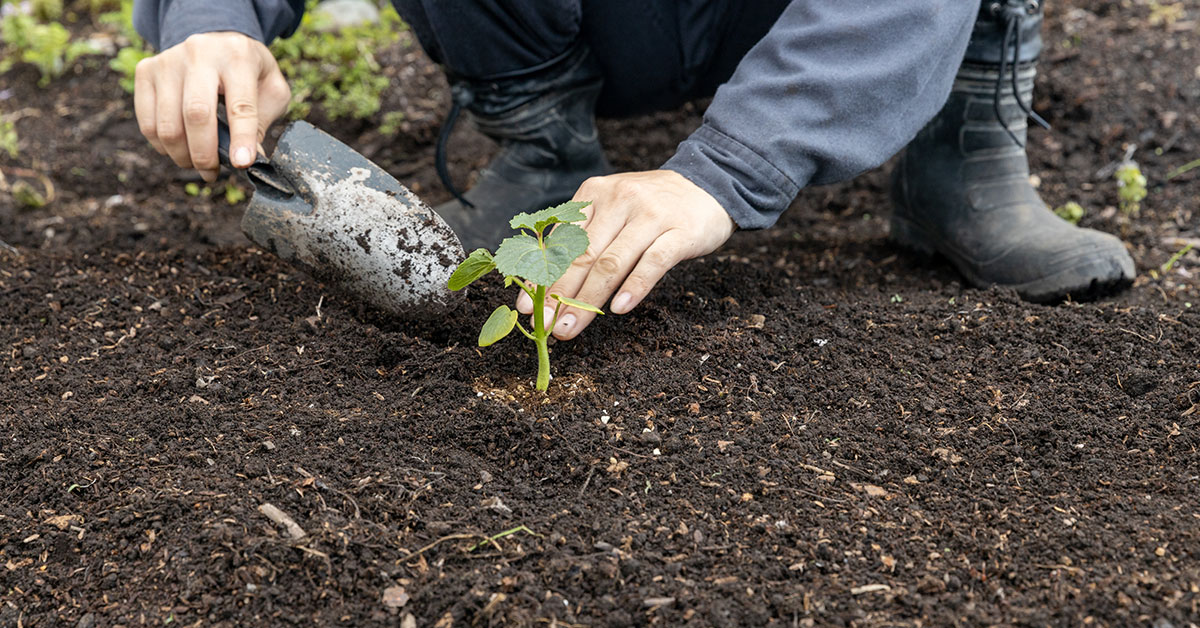
- Planting: Okra can be started from seeds or transplants. If starting from seeds, sow them directly into the garden after the last frost date. Plant seeds about 1 inch deep and 12-18 inches apart, leaving 3-4 feet between rows. If using transplants, set them out in the garden after the danger of frost has passed.
- Sunlight: Okra requires full sun exposure, so choose a location in your garden that receives at least 6-8 hours of direct sunlight daily.
- Watering: Okra needs consistent moisture, especially during the flowering and fruiting stages. Water deeply once or twice a week, providing about 1 inch of water per week. Avoid overwatering, as it can lead to root rot.
- Mulching: Apply a layer of organic mulch, such as straw or wood chips, around the base of the plants. Mulching helps retain soil moisture, suppresses weed growth, and keeps the soil temperature consistent.
- Fertilization: Okra is a heavy feeder, so it benefits from regular fertilization. Before planting, incorporate a balanced fertilizer into the soil. Additionally, side-dress the plants with a nitrogen-rich fertilizer every 4-6 weeks during the growing season.
- Pruning and Support: Okra plants can grow quite tall, reaching heights of 4-6 feet. Consider providing support, such as stakes or trellises, to prevent them from falling over under the weight of the fruit. Prune any lower branches to improve air circulation and reduce the risk of disease.
- Pest and Disease Control: Common pests that can affect okra include aphids, caterpillars, and stink bugs. Monitor your plants regularly and use organic pest control methods if necessary. Common diseases include powdery mildew and root rot. Proper spacing, good air circulation, and avoiding overwatering can help prevent these issues.
- Harvesting: Okra pods are ready for harvest when they are about 2-4 inches long and tender. Harvest every 2-3 days to encourage continuous production. Use a sharp knife or pruners to cut the pods from the plant, being careful not to damage the stem.
By following these steps and considerations, you can successfully grow okra and enjoy a bountiful harvest.
When to harvest okra
In zone 11, where the climate is warm and tropical, okra can be grown year-round. However, the best time to pick okra is when the pods are young and tender, typically when they are about 2-3 inches long. It is important to harvest okra regularly, every 2-3 days, as the pods can become tough and fibrous if left on the plant for too long. Regular harvesting also encourages the plant to produce more pods.
Common okra problems and fixesz
Common problems when growing okra include:
- Poor germination: Okra seeds can be slow to germinate, especially in cooler soil temperatures. To improve germination rates, soak the seeds in water overnight before planting. Additionally, ensure that the soil temperature is consistently above 70°F (21°C) for optimal germination.
- Pests: Okra can be susceptible to various pests such as aphids, flea beetles, and caterpillars. Regularly inspect the plants for signs of pest infestation, such as chewed leaves or sticky residue. Use organic pest control methods like neem oil or insecticidal soap to manage these pests.
- Diseases: Okra plants can be prone to diseases like powdery mildew, root rot, and bacterial wilt. To prevent diseases, ensure proper spacing between plants for good air circulation, avoid overwatering, and practice crop rotation. If diseases do occur, remove and destroy infected plants to prevent further spread.
- Nutrient deficiencies: Okra plants require adequate nutrients to thrive. Common nutrient deficiencies include nitrogen, phosphorus, and potassium. Regularly fertilize the plants with a balanced organic fertilizer or compost to provide essential nutrients. Yellowing leaves may indicate a nitrogen deficiency, while stunted growth may indicate a phosphorus or potassium deficiency.
- Heat stress: Okra is a warm-season crop and thrives in hot temperatures. However, excessive heat can cause stress and reduce fruit production. To mitigate heat stress, provide shade during the hottest part of the day, mulch around the plants to retain moisture and regulate soil temperature, and water deeply and regularly.
- Lack of pollination: Okra flowers require pollination to produce fruit. If you notice poor fruit set, it may be due to a lack of pollinators. Encourage pollinators like bees and butterflies by planting flowers nearby or manually pollinate the flowers using a small brush or cotton swab.
By addressing these common problems, you can increase your chances of successfully growing healthy and productive okra plants.