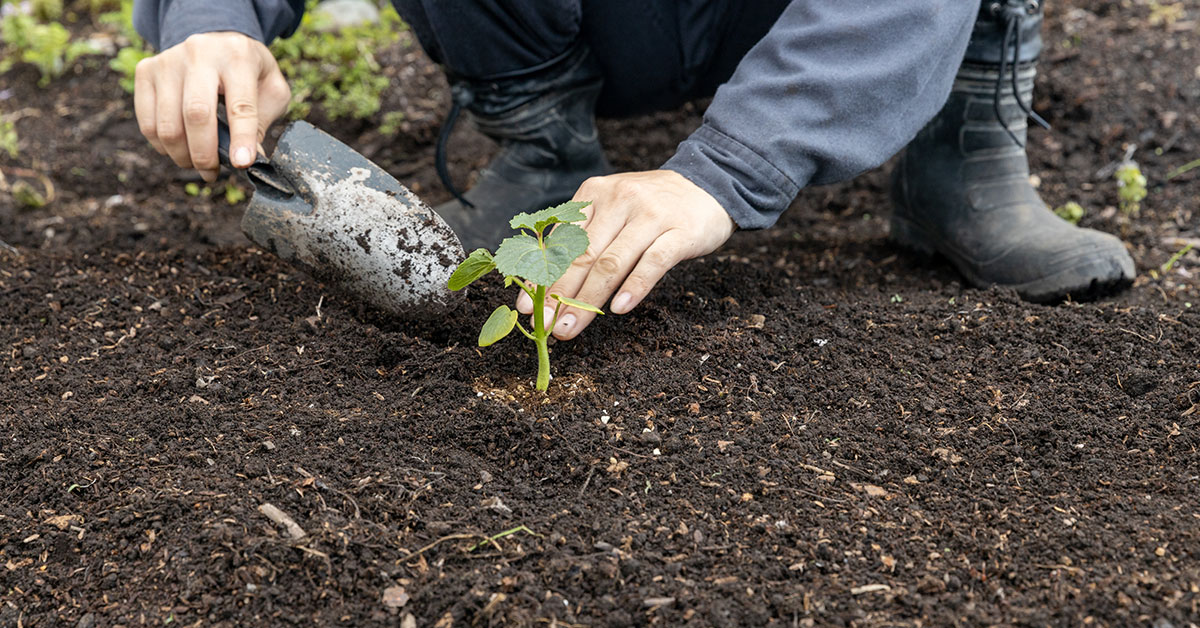

Welcome to the world of okra cultivation in Zone 6! If you’re an avid gardener residing in this region, you may be wondering when the best time is to plant this heat-loving vegetable. Okra (Abelmoschus esculentus) is a versatile and nutritious plant that thrives in warm climates, making it a popular choice for gardeners in Zone 6 who are looking to add a touch of Southern charm to their harvest. In this article, we will delve into the optimal planting times for okra in Zone 6, taking into consideration the unique climate and growing conditions of this region.
Whether you’re a seasoned gardener or just starting out, get ready to learn all about the perfect timing for planting okra in Zone 6 and enjoy a bountiful harvest of this delicious and versatile vegetable.
Best okra varieties to grow in zone 6
In zone 6, where the average minimum winter temperature ranges from -10 to 0 degrees Fahrenheit (-23 to -18 degrees Celsius), it is important to choose okra varieties that are well-suited to cooler climates. Here are a few okra varieties that tend to perform well in zone 6:
- Clemson Spineless: This is a popular variety known for its high yields and disease resistance. It produces tender, spineless pods and has a relatively short growing season, making it suitable for cooler climates.
- Burgundy: This variety is unique because it produces deep burgundy-colored pods. It is also known for its ornamental value, making it a great choice for both vegetable gardens and ornamental beds. Burgundy okra has good heat tolerance and can handle cooler temperatures as well.
- Annie Oakley II: This variety is known for its early maturity and high productivity. It produces spineless, green pods that are tender and flavorful. Annie Oakley II is a good choice for zone 6 gardeners looking for a reliable and productive okra variety.
- Emerald: This variety is prized for its dark green pods that remain tender even when they grow larger. It has good disease resistance and performs well in cooler climates. Emerald okra is a popular choice for zone 6 gardeners due to its reliability and excellent flavor.
Remember, even though these varieties are more suitable for cooler climates, okra is still a warm-season crop. It is important to provide them with full sun exposure and warm soil for optimal growth and productivity.
When to plant okra in zone 6
In zone 6, the best time to plant okra is after the last frost date in spring. Okra is a warm-season crop that thrives in hot temperatures, so it’s important to wait until the soil has warmed up sufficiently before planting.
For reference, here are the recommended planting times for okra in each of the state’s hardiness zones:
- Zone 3: In this extremely cold region, it is challenging to grow okra. However, if you have a short growing season, you can start okra indoors 4-6 weeks before the last frost date and transplant the seedlings outdoors after the danger of frost has passed.
- Zone 4: Similar to zone 3, it is best to start okra indoors 4-6 weeks before the last frost date and transplant the seedlings outdoors after the danger of frost has passed.
- Zone 5: Okra can be directly sown in the garden after the last frost date. However, if you want an earlier start, you can start okra indoors 2-4 weeks before the last frost date and transplant the seedlings outdoors.
- Zone 6: As mentioned earlier, in zone 6, it is best to wait until after the last frost date to plant okra directly in the garden.
- Zone 7: Okra can be directly sown in the garden after the last frost date. If you want an earlier start, you can start okra indoors 2-4 weeks before the last frost date and transplant the seedlings outdoors.
- Zone 8: Okra can be directly sown in the garden after the last frost date. Starting okra indoors is not necessary in this zone.
- Zone 9: Okra can be directly sown in the garden after the last frost date. Starting okra indoors is not necessary in this zone.
- Zone 10: In this warm region, okra can be planted throughout the year. However, it is best to avoid planting during the hottest months to prevent stress on the plants.
Remember to check your specific location within each zone, as microclimates can vary. Additionally, providing your okra plants with full sun, well-draining soil, and regular watering will help them thrive.
How to grow okra in zone 6
Growing okra requires some specific steps and considerations. Here are the key points to keep in mind:
- Climate and Temperature: Okra thrives in warm climates with temperatures between 75-90°F (24-32°C). It is a heat-loving plant and does best in areas with a long growing season.
- Soil Preparation: Okra prefers well-draining soil with a pH level between 6.0-6.8. Before planting, amend the soil with organic matter like compost or aged manure to improve fertility and drainage.
- Planting: Okra can be directly sown outdoors once the soil temperature reaches around 65°F (18°C) and all frost has passed. Alternatively, you can start seeds indoors 4-6 weeks before the last frost date and transplant them outside once the soil warms up.
- Spacing: Allow enough space between okra plants, as they can grow quite large. Plant them 12-18 inches (30-45 cm) apart in rows that are 3-4 feet (90-120 cm) apart.
- Watering: Okra requires regular watering, especially during dry spells. Keep the soil consistently moist but not waterlogged. Aim for around 1 inch (2.5 cm) of water per week.
- Fertilization: Apply a balanced, slow-release fertilizer or compost at planting time. Additional side-dressing with nitrogen-rich fertilizer can be done during the growing season to promote healthy foliage and fruit production.
- Mulching: Apply a layer of organic mulch, such as straw or wood chips, around the base of the plants to help retain moisture, suppress weeds, and maintain a more consistent soil temperature.
- Pruning: Okra plants can become tall and bushy, so it’s beneficial to prune them to encourage better airflow and prevent diseases. Pinch off the top of the main stem when the plant reaches around 2 feet (60 cm) in height.
- Pests and Diseases: Common pests that can affect okra include aphids, flea beetles, and stink bugs. Regularly inspect your plants and take appropriate measures, such as handpicking or using organic insecticides, to control infestations. Diseases like powdery mildew and root rot can also occur, so ensure good air circulation and avoid overwatering.
- Harvesting: Okra pods are ready to be harvested when they are around 2-4 inches (5-10 cm) long. They should be firm and tender, easily snapped off the plant. Harvest every 2-3 days to encourage continuous production.
By following these steps and considerations, you can successfully grow okra and enjoy a bountiful harvest.
When to harvest okra
In zone 6, you can typically start picking okra when the plants are around 2-3 feet tall and the pods are about 2-3 inches long. This usually occurs around 60-70 days after planting, depending on the variety. It’s important to check the plants regularly, as okra pods can grow rapidly and become tough if left on the plant for too long. Harvesting every 2-3 days is recommended to ensure you pick the pods at their peak tenderness.
Common okra problems and fixes
Common problems when growing okra include:
- Poor germination: Okra seeds can be slow to germinate, especially in cooler temperatures. To improve germination rates, soak the seeds in water overnight before planting. Additionally, ensure that the soil temperature is consistently above 60°F (15°C) for optimal germination.
- Pests: Okra can be susceptible to pests such as aphids, flea beetles, and spider mites. Regularly inspect the plants for signs of infestation, such as yellowing leaves or holes in the foliage. Use organic insecticidal soaps or neem oil to control these pests. Introducing beneficial insects like ladybugs or lacewings can also help keep pest populations in check.
- Powdery mildew: This fungal disease appears as a white, powdery coating on the leaves, stems, and pods of okra plants. To prevent powdery mildew, provide adequate spacing between plants for good air circulation, avoid overhead watering, and remove any infected plant material. Fungicidal sprays containing sulfur or potassium bicarbonate can be used to control the disease.
- Blossom end rot: This condition causes the ends of the okra pods to turn brown or black. It is usually caused by calcium deficiency or inconsistent watering. To prevent blossom end rot, ensure that the soil is well-drained and consistently moist. Adding organic matter, such as compost, to the soil before planting can also help improve calcium levels.
- Lack of fruit production: If your okra plants are not producing fruit, it could be due to inadequate pollination. Okra flowers are self-pollinating, but they can benefit from the presence of pollinators like bees. To attract pollinators, plant flowers nearby or use a small brush to transfer pollen from one flower to another.
- Excessive heat stress: Okra thrives in warm temperatures, but extreme heat can cause stress and reduce fruit production. Provide shade during the hottest part of the day or use mulch to keep the soil cool. Regular watering is crucial during hot spells to prevent the plants from drying out.
Remember to regularly monitor your okra plants for any signs of disease or pests, and promptly address any issues to ensure healthy growth and a bountiful harvest.