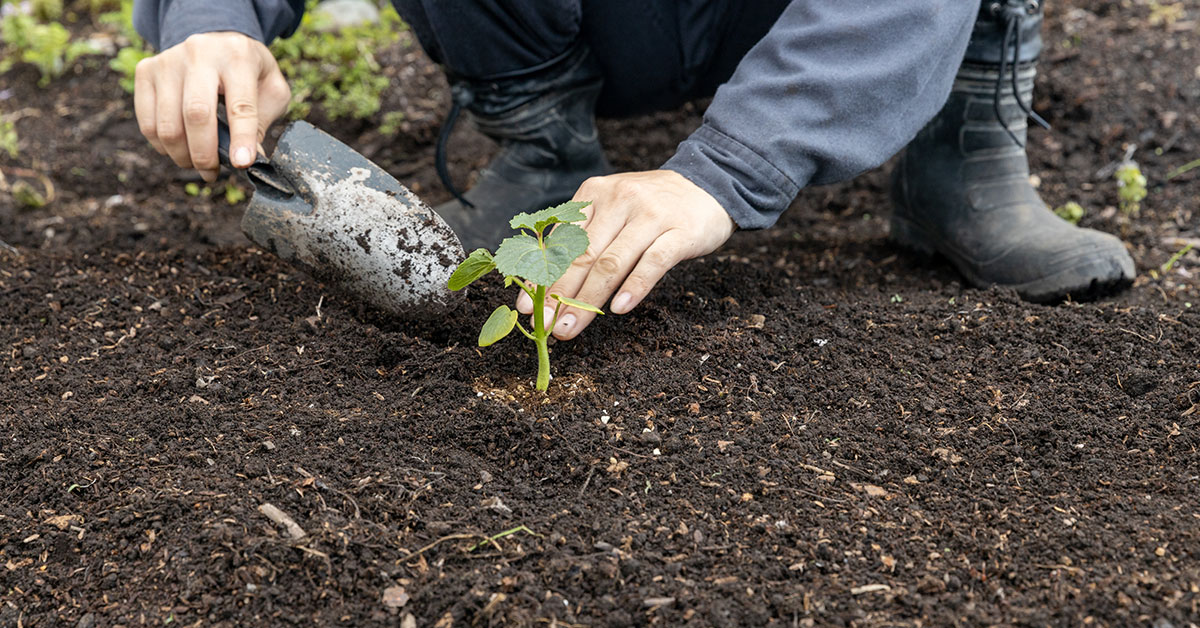

Welcome to the world of okra cultivation in Zone 2! Growing okra in colder climates can be a rewarding and exciting experience. Okra, also known as lady’s fingers, is a warm-season vegetable that thrives in hot and sunny conditions. While Zone 2 may present some challenges due to its shorter growing season and cooler temperatures, with proper planning and care, you can still enjoy a bountiful harvest of this delicious and nutritious vegetable. In this article, we will guide you through the process of determining the best time to plant okra in Zone 2, along with essential tips and techniques to ensure successful growth and development of your okra plants.
Best okra varieties to grow in zone 2
Okra is a warm-season crop that thrives in hot and humid climates. Zone 2, however, typically experiences colder temperatures and shorter growing seasons. It can be challenging to grow okra in this zone, but there are a few varieties that may have better success:
- ‘Clemson Spineless’: This is a popular okra variety known for its tender pods and high yields. It is relatively tolerant of cooler temperatures and can be grown in Zone 2 with proper care.
- ‘Annie Oakley II’: This variety is known for its early maturity and compact growth habit, making it suitable for shorter growing seasons. It may have a better chance of producing a harvest in Zone 2.
- ‘Burgundy’: While primarily grown for its ornamental value, ‘Burgundy’ okra also produces edible pods. It has a shorter growing season and may be more suitable for Zone 2 gardens.
It’s important to note that even with these varieties, you may need to provide additional protection and extend the growing season using techniques like row covers, raised beds, or container gardening. Starting seeds indoors and transplanting seedlings after the last frost date can also help maximize the growing period.
When to plant okra in zone 2
In zone 2, which is characterized by cold winters and a short growing season, it can be challenging to grow okra successfully. However, with proper planning and care, it is still possible to cultivate this warm-season crop.
The best time to plant okra in zone 2 is after the last frost date in spring, when the soil has warmed up and the temperatures consistently stay above 50°F (10°C). This typically occurs between late May and early June. Okra plants thrive in warm weather, so it is crucial to wait until the risk of frost has passed before planting.
For reference, here are the recommended planting times for okra in each of the state’s hardiness zones:
- Zone 2: Late May to early June
- Zone 3: Mid to late May
- Zone 4: Mid to late May
- Zone 5: Mid to late May
- Zone 6: Mid to late May
- Zone 7: Mid to late April
- Zone 8: Mid to late April
- Zone 9: Mid to late March
- Zone 10: Mid to late February
It’s important to note that these are general guidelines, and local weather conditions can vary. It’s always a good idea to consult with your local agricultural extension office or experienced gardeners in your area for more specific recommendations based on your microclimate.
When planting okra, choose a sunny location with well-draining soil. Okra plants require at least 6-8 hours of direct sunlight per day to thrive. Prepare the soil by incorporating organic matter, such as compost or well-rotted manure, to improve its fertility and drainage.
Sow the okra seeds about 1 inch deep and 12-18 inches apart, leaving enough space for the plants to grow and spread. Water the seeds thoroughly after planting and maintain consistent moisture throughout the growing season. Mulching around the plants can help retain soil moisture and suppress weed growth.
As okra plants mature, they will produce beautiful hibiscus-like flowers, followed by the development of the edible pods. Harvest the pods when they are 2-4 inches long, as larger pods tend to become tough and fibrous. Regularly harvesting the pods encourages the plant to produce more.
Remember to provide adequate support, such as stakes or cages, for the okra plants as they can grow quite tall and become top-heavy.
By following these guidelines and adapting them to your specific hardiness zone, you can increase your chances of successfully growing okra in your area. Happy gardening!
How to grow okra in zone 2
Growing okra in USDA Hardiness Zone 2, which includes areas with extremely cold climates and short growing seasons, can be quite challenging due to the harsh conditions. Okra is a warm-season vegetable that thrives in hot temperatures and requires a long growing season. However, with some creative strategies and careful planning, it’s still possible to attempt growing okra in Zone 2. Keep in mind that success might be limited, and it’s important to adjust your expectations accordingly.
Here’s a guide on how to attempt growing okra in Zone 2:
- Choose Early-Maturing Varieties: Opt for early-maturing okra varieties that have a shorter growing season. Varieties like ‘Cajun Delight’ and ‘Burgundy’ might have a better chance of producing some pods before the cold weather sets in.
- Start Indoors: Since the growing season in Zone 2 is short, you’ll need to start okra seeds indoors well before the last frost date. Start seeds in pots or trays about 6-8 weeks before the expected transplanting date.
- Provide Warmth: Okra seeds germinate best in warm soil. Use a seedling heat mat to keep the soil temperature around 75-85°F (24-29°C) until the seeds sprout. Once the seedlings have grown a few inches tall and the danger of frost has passed, they can be transplanted outdoors.
- Select a Sunny Spot: Choose the sunniest and warmest spot in your garden for planting okra. Make sure it receives as much sunlight as possible during the day.
- Use Protective Coverings: Given the short growing season, consider using protective coverings to create a microclimate that’s more favorable for okra growth. Use things like cloches, row covers, or hoop houses to trap heat and extend the growing season.
- Amend Soil: Work in compost or well-rotted manure to improve soil structure and fertility. Since okra prefers slightly acidic to neutral soil (pH 6.0-7.0), check and adjust your soil’s pH if necessary.
- Transplant Carefully: When transplanting okra seedlings outdoors, do so carefully to avoid disturbing their roots. Harden off the seedlings by gradually exposing them to outdoor conditions over a week before transplanting.
- Mulch and Insulate: Apply a thick layer of organic mulch around the base of the plants to help retain soil moisture and regulate soil temperature. You can also use materials like straw or leaves to create insulation around the plants.
- Provide Wind Protection: Wind can further stress young okra plants. Use windbreaks or place your okra plants in a location that offers some natural wind protection.
- Prune and Focus Growth: To give the plants the best chance to produce, consider pruning the lower leaves that touch the ground. This can help prevent disease and focus the plant’s energy on pod production.
- Harvest Early: Harvest okra pods as soon as they are big enough to eat. This encourages the plant to continue producing new pods. Harvesting early and regularly is essential, as okra pods become tough and less palatable if left on the plant too long.
Remember that growing okra in Zone 2 will be a challenging endeavor, and there’s no guarantee of a successful harvest. It’s a good idea to connect with local gardeners or gardening experts in your area who might have more specific advice for your unique climate conditions. Additionally, be prepared to adapt and experiment based on the success or challenges you encounter during the growing season.
When to harvest okra
In zone 2, which is characterized by very cold winters and a short growing season, it can be challenging to grow okra. Okra is a warm-season crop that requires a long, hot growing season to produce well. However, if you have a greenhouse or use season extension techniques, you may be able to successfully grow okra in zone 2.
To determine when to pick okra in zone 2, you need to consider the average number of days to maturity for the specific okra variety you are growing. Most okra varieties take around 55 to 65 days from planting to harvest. You can find this information on the seed packet or in the variety description.
Counting back from your average first frost date, which typically occurs in zone 2 around early to mid-September, you can estimate when to plant your okra. For example, if your average first frost date is September 10th and your okra variety takes 60 days to mature, you would want to plant your okra around mid-July.
Once your okra plants start producing pods, you can begin harvesting them when they are about 2 to 4 inches long. It’s important to pick okra regularly, every 2 to 3 days, to encourage continuous production. If you leave the pods on the plant for too long, they can become tough and fibrous.
Keep in mind that growing okra in zone 2 may require additional measures to protect the plants from cold temperatures, such as using row covers or providing extra insulation in a greenhouse.
Common okra problems and fixes
Common problems when growing okra include pest infestations, diseases, and poor fruit production. Here are some fixes for these issues:
- Aphids: Spray a mixture of water and mild dish soap onto the affected plants to control aphids.
- Flea beetles: Use row covers or apply an insecticidal soap to deter flea beetles.
- Spider mites: Spray the plants with a strong stream of water to dislodge spider mites. Introduce predatory mites or use neem oil as a natural control method.
- Fusarium wilt: Choose disease-resistant varieties and practice crop rotation to prevent this fungal disease. Remove and destroy infected plants.
- Powdery mildew: Improve air circulation by spacing plants adequately. Apply a fungicide labeled for powdery mildew control if necessary.
- Root rot: Ensure well-draining soil and avoid overwatering. Treat with a fungicide if root rot is detected.
- Lack of pollination: Okra flowers are self-pollinating, but you can hand-pollinate by transferring pollen from the male flowers to the female flowers using a small brush or cotton swab.
- Nutrient deficiency: Apply a balanced fertilizer, especially one with higher phosphorus and potassium levels, to promote fruit production.
- Inadequate sunlight: Okra requires full sun (at least 6-8 hours per day) for optimal fruit production. Ensure the plants are not shaded by nearby structures or other plants.
Remember to regularly monitor your plants for signs of problems and take appropriate action promptly.