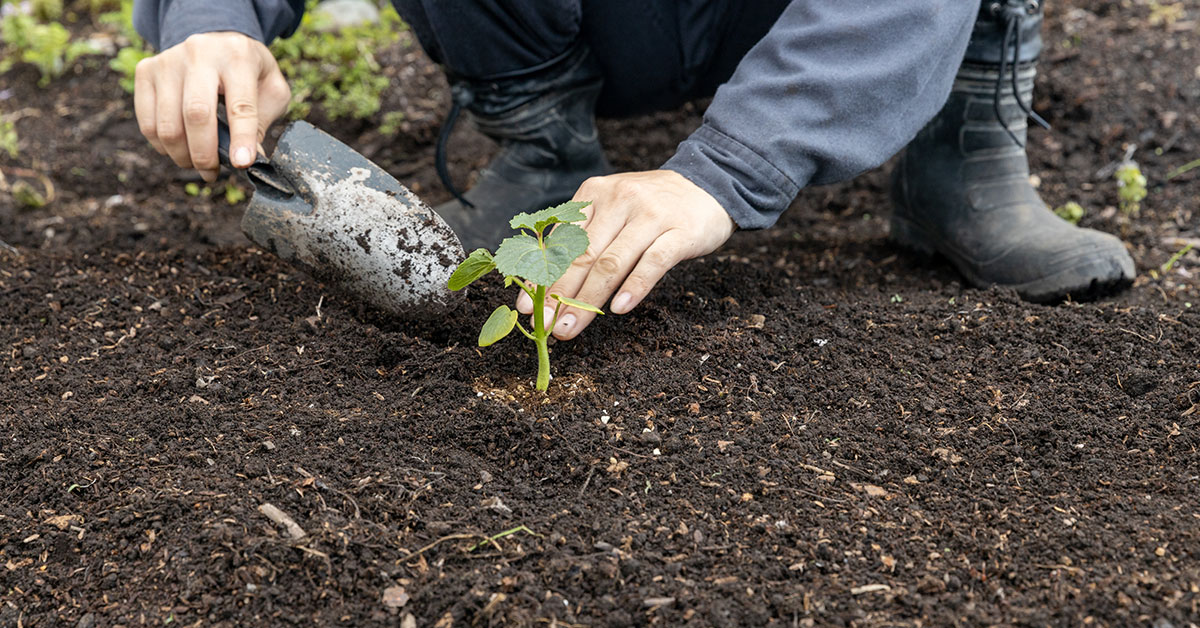

As gardening enthusiasts in Vermont, we are often faced with the challenge of growing warm-season crops in a region known for its relatively short growing season. However, with careful planning and knowledge of the specific requirements of each plant, we can successfully cultivate a wide variety of vegetables, including the beloved okra. Known for its vibrant green pods and unique flavor, okra thrives in warm climates, making it a popular choice for gardeners in the southern United States. But fear not, fellow Vermonters! With the right timing and a few tricks up our sleeves, we can also enjoy a bountiful harvest of this versatile vegetable right here in the Green Mountain State. In this article, we will explore the optimal planting times for okra in Vermont, ensuring that you can maximize your chances of success and savor the delights of homegrown okra in your own backyard.
Best okra varieties to grow in Vermont
Okra is a warm-season crop that thrives in hot and humid climates, so growing it in Vermont can be a bit challenging due to the shorter growing season and cooler temperatures. However, there are some okra varieties that are better suited for cooler climates and can be successfully grown in Vermont. Here are a few varieties that you can consider:
- Clemson Spineless: This is a popular okra variety that is known for its high productivity and disease resistance. It matures relatively quickly and produces tender, spineless pods. Clemson Spineless is a good choice for cooler climates as it can tolerate lower temperatures.
- Burgundy: This variety is unique because it produces deep burgundy-colored pods instead of the traditional green ones. Burgundy okra is not only visually appealing but also has a good flavor. It is relatively cold-tolerant and can be a good option for Vermont gardeners.
- Emerald: Emerald okra is another variety that can perform well in cooler climates. It produces dark green, spineless pods that are tender and flavorful. Emerald okra plants are relatively compact, making them suitable for smaller gardens or containers.
- Annie Oakley II: This variety is known for its early maturity and good cold tolerance. Annie Oakley II produces green, spineless pods that are tender and delicious. It is a compact plant that can be grown in containers or smaller garden spaces.
When growing okra in Vermont, it is important to start the seeds indoors about 4-6 weeks before the last frost date and transplant the seedlings outdoors once the soil has warmed up. Providing the plants with a warm and sunny location, along with consistent watering and fertilization, will help them thrive in the cooler climate.
When to plant okra in Vermont
In Vermont, the best time to plant okra varies depending on the hardiness zone. Vermont is divided into four hardiness zones: Zone 3, Zone 4, Zone 5, and Zone 6. Here are the recommended planting times for each zone:
- Zone 3: In Zone 3, which covers the northernmost parts of Vermont, the growing season is relatively short. It is best to start okra seeds indoors 6-8 weeks before the last expected frost date, which is typically around mid-May. Transplant the seedlings outdoors after the danger of frost has passed, usually in late May or early June.
- Zone 4: Zone 4 covers a large portion of Vermont, including central and northeastern areas. Similar to Zone 3, start okra seeds indoors 6-8 weeks before the last expected frost date, which is generally in mid-May. Transplant the seedlings outdoors after the frost risk has diminished, typically in late May or early June.
- Zone 5: Zone 5 includes parts of central and southern Vermont. In this zone, you can start okra seeds indoors 4-6 weeks before the last expected frost date, which is typically in mid-May. Transplant the seedlings outdoors after the danger of frost has passed, usually in late May or early June.
- Zone 6: Zone 6 covers the southernmost parts of Vermont, including the southwestern region. In Zone 6, you can directly sow okra seeds outdoors after the last expected frost date, which is generally in mid-May. The soil temperature should be around 65°F (18°C) for successful germination.
Regardless of the zone, okra thrives in warm weather, so it is crucial to wait until the soil has warmed up and the risk of frost has passed before planting outdoors. Providing the plants with full sun, well-draining soil, and regular watering will help ensure healthy growth and a bountiful harvest.
How to grow okra in Vermont
Growing okra requires careful planning and attention to detail. Here are the steps and considerations to keep in mind:
- Climate: Okra thrives in warm climates with temperatures between 75-90°F (24-32°C). It is best to plant okra when the soil temperature reaches at least 65°F (18°C).
- Soil preparation: Okra prefers well-drained soil with a pH level of 6.0-6.8. Prepare the soil by adding organic matter like compost or well-rotted manure to improve fertility and drainage.
- Planting: Sow okra seeds directly into the garden after the danger of frost has passed. Plant the seeds about 1 inch deep and 12-18 inches apart, leaving 3-4 feet between rows.
- Watering: Okra requires regular watering, especially during dry spells. Water deeply once or twice a week, providing about 1 inch of water each time. Avoid overhead watering to prevent fungal diseases.
- Fertilization: Okra is a heavy feeder and benefits from regular fertilization. Apply a balanced fertilizer, such as 10-10-10, at planting time and again when the plants are about 12 inches tall.
- Mulching: Apply a layer of organic mulch, such as straw or wood chips, around the base of the plants to conserve moisture, suppress weeds, and regulate soil temperature.
- Pruning: Okra plants can grow quite tall, so it’s advisable to prune them to a manageable height of 3-4 feet. This will make harvesting easier and prevent the plants from toppling over.
- Pest and disease control: Keep an eye out for common pests like aphids, flea beetles, and stink bugs. Use organic pest control methods like handpicking or spraying with insecticidal soap if necessary. Fungal diseases like powdery mildew can be prevented by providing good air circulation and avoiding overhead watering.
- Harvesting: Okra pods are ready to harvest when they are 2-4 inches long and tender. Harvest every 2-3 days to ensure the pods are at their peak. Use a sharp knife or pruners to cut the pods from the plant, being careful not to damage the stem.
- Storage: Okra is best used fresh, but it can be stored in the refrigerator for up to a week. To extend its shelf life, blanch the pods for a few minutes, cool them in ice water, and then freeze them.
By following these steps and considerations, you can successfully grow and enjoy a bountiful harvest of okra.
When to harvest okra
In Vermont, the growing season for okra can be quite short due to the cooler climate. Okra is a warm-season crop that thrives in hot and humid conditions. It requires a long, frost-free growing period to produce a good harvest.
In Vermont, it is recommended to start okra seeds indoors about 4-6 weeks before the last expected frost date. This allows the plants to establish and be ready for transplanting outdoors once the weather warms up. The last expected frost date in Vermont typically falls around mid to late May.
Once the seedlings have reached a height of around 4-6 inches and all danger of frost has passed, you can transplant them into your garden. Okra plants prefer full sun and well-drained soil. Make sure to space them about 12-18 inches apart to allow for proper air circulation and growth.
Okra plants usually start producing pods around 60-70 days after transplanting. The pods are ready to be harvested when they are about 3-4 inches long and still tender. It is important to pick the okra regularly, every 2-3 days, to encourage continuous production. If the pods are left on the plant for too long, they can become tough and fibrous.
In Vermont, the okra harvest season typically starts in late July or early August and continues until the first frost. Keep an eye on the weather and plan to harvest any remaining pods before the temperatures drop significantly.
Common okra problems and fixes
Common problems when growing okra include:
- Poor germination: Okra seeds may have a low germination rate. To improve germination, soak the seeds in water overnight before planting. Additionally, ensure that the soil temperature is consistently warm (around 70-90°F) for optimal germination.
- Pests: Okra can be susceptible to pests such as aphids, flea beetles, and caterpillars. Regularly inspect the plants for signs of infestation, like yellowing leaves or chewed foliage. Use organic insecticides or insecticidal soap to control pests. Encouraging beneficial insects like ladybugs and lacewings can also help keep pest populations in check.
- Diseases: Okra can be prone to diseases like powdery mildew, root rot, and bacterial wilt. To prevent diseases, ensure proper spacing between plants for good air circulation. Avoid overhead watering, as wet foliage can promote fungal growth. If necessary, apply fungicides or use disease-resistant varieties.
- Nutrient deficiencies: Okra requires well-balanced soil with adequate nutrients. Common nutrient deficiencies include nitrogen, phosphorus, and potassium. Regularly test the soil and amend it with organic matter or fertilizers to provide the necessary nutrients. Yellowing leaves or stunted growth can indicate nutrient deficiencies.
- Heat stress: Okra thrives in warm climates but can suffer from heat stress during extreme temperatures. Mulch around the plants to conserve soil moisture and regulate soil temperature. Provide shade during the hottest part of the day, especially in scorching summer months.
- Improper harvesting: Harvesting okra too late can result in tough and fibrous pods. Harvest okra when it reaches around 3-4 inches in length and is still tender. Regular harvesting also encourages more pod production.
By addressing these common problems, you can increase your chances of successfully growing healthy and productive okra plants.