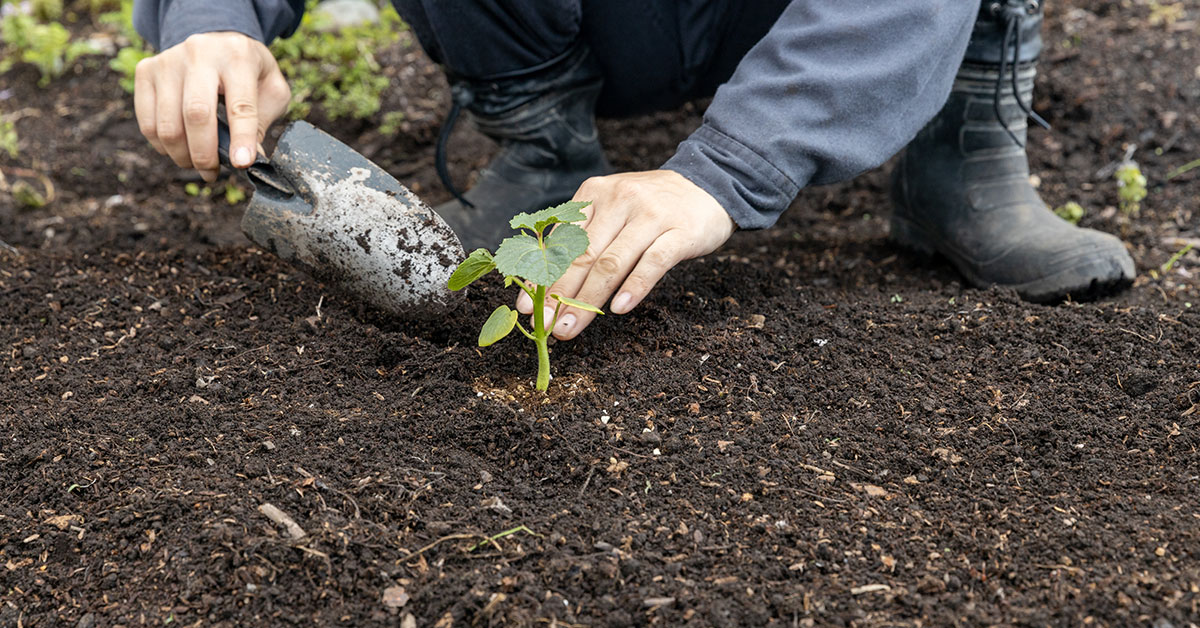

Welcome to the world of okra gardening in South Carolina! If you’re a fan of this versatile and nutritious vegetable, you’re in the right place. Okra, known for its vibrant green pods and unique taste, thrives in the warm and humid climate of the Palmetto State. To ensure a successful harvest, it’s crucial to understand the optimal time for planting okra in South Carolina. In this article, we will delve into the ideal planting dates, taking into consideration the region’s climate, soil conditions, and the specific requirements of this heat-loving plant.
Whether you’re a seasoned gardener or a beginner looking to try your hand at growing okra, read on to discover the best time to sow your seeds and set yourself up for a bountiful okra harvest.
Best okra varieties to grow in South Carolina
In South Carolina, there are several okra varieties that grow well due to the warm and humid climate. Here are a few varieties that are known to thrive in South Carolina:
- Clemson Spineless: This is a popular variety that is well-suited for South Carolina’s climate. It produces spineless pods that are tender and delicious. Clemson Spineless is also known for its disease resistance and high yields.
- Emerald: This variety is highly recommended for South Carolina gardens. It produces dark green pods that are tender and flavorful. Emerald okra plants are vigorous and can tolerate heat and humidity well.
- Annie Oakley II: Another great choice for South Carolina, Annie Oakley II is a compact variety that produces abundant pods. The pods are spineless and have a good flavor. This variety is also known for its disease resistance.
- Jambalaya: Jambalaya okra is a heat-tolerant variety that performs well in South Carolina. It produces green pods that are tender and tasty. Jambalaya is also known for its high yields and disease resistance.
- Lee: Lee okra is a popular variety for Southern gardens, including South Carolina. It produces dark green pods that are spineless and tender. Lee okra plants are vigorous and can tolerate heat and humidity.
Remember to choose varieties that are well-suited for your specific location within South Carolina, as there may be slight variations in climate and growing conditions across the state.
When to plant okra in South Carolina
In South Carolina, the best time to plant okra varies slightly depending on the hardiness zones. South Carolina is divided into three main hardiness zones: Zone 7b, Zone 8a, and Zone 8b. Here’s a breakdown of the best planting times for each zone:
- Zone 7b: The average minimum winter temperature in Zone 7b ranges from 5°F to 10°F (-12°C to -14°C). In this zone, it’s recommended to plant okra after the last frost date, which typically falls between mid-March and early April. The soil temperature should be at least 65°F (18°C) for optimal germination.
- Zone 8a: Zone 8a experiences milder winters, with average minimum temperatures ranging from 10°F to 15°F (-12°C to -9°C). In this zone, you can start planting okra a little earlier, around mid-March. Again, ensure that the soil temperature is at least 65°F (18°C) for successful germination.
- Zone 8b: Zone 8b has even milder winters, with average minimum temperatures ranging from 15°F to 20°F (-9°C to -7°C). In this zone, you can start planting okra as early as late February or early March. As always, check that the soil temperature is at least 65°F (18°C) before planting.
Regardless of the zone, it’s important to note that okra thrives in warm weather. It requires a long growing season with plenty of sunlight and temperatures above 60°F (15°C). Okra plants are sensitive to frost, so it’s crucial to wait until the danger of frost has passed before planting.
Additionally, okra is a warm-season crop, so it’s best to plant it when the soil has warmed up sufficiently. This ensures better germination and faster growth. If you’re unsure about the soil temperature, you can use a soil thermometer to measure it accurately.
Remember to provide adequate water, well-draining soil, and regular fertilization to support healthy growth and a bountiful okra harvest.
How to grow okra in South Carolina
Growing okra requires careful planning and attention to certain considerations. Here are the steps and considerations for successfully growing okra:
- Climate and Season: Okra thrives in warm climates with temperatures between 75°F and 95°F (24°C to 35°C). It is typically grown as an annual crop in areas with a long growing season. Ensure that the frost-free period is at least 60 to 90 days.
- Soil Preparation: Okra prefers well-drained soil with a pH level between 6.0 and 6.8. Prepare the soil by removing weeds, rocks, and debris. Add organic matter like compost or well-rotted manure to improve soil fertility and drainage.
- Planting: Start okra seeds indoors 4-6 weeks before the last expected frost date. Sow the seeds ½ to 1 inch deep in seed trays or small pots. Transplant the seedlings outdoors once the soil has warmed up and there is no risk of frost. Space the plants 12-18 inches apart in rows that are 3-4 feet apart.
- Sunlight: Okra requires full sun exposure for at least 6-8 hours a day. Choose a location in your garden that receives ample sunlight.
- Watering: Okra needs regular watering to ensure consistent moisture levels. Water deeply, providing around 1 inch of water per week. Avoid overwatering, as it can lead to root rot. Mulching around the plants can help retain moisture and suppress weed growth.
- Fertilization: Apply a balanced fertilizer with a ratio of 10-10-10 or 14-14-14 before planting. Side-dress the plants with nitrogen-rich fertilizer when they are around 12 inches tall. Repeat the side-dressing every 4-6 weeks during the growing season.
- Pruning: Okra plants do not require extensive pruning. However, you can pinch off the top of the main stem when the plant reaches 2-3 feet in height. This encourages branching and increases the yield.
- Pest and Disease Control: Common pests that affect okra include aphids, flea beetles, and stink bugs. Monitor your plants regularly and use organic pest control methods like insecticidal soap or neem oil if necessary. Common diseases include powdery mildew, root rot, and bacterial wilt. Proper spacing, good air circulation, and crop rotation can help prevent these diseases.
- Harvesting: Okra pods are ready to harvest when they are 2-4 inches long and tender. Harvest every 2-3 days to ensure continuous production. Use a sharp knife or pruners to cut the pods from the plant, taking care not to damage the stem.
- Storage: Okra is best consumed fresh, but it can be stored in the refrigerator for up to a week. To extend its shelf life, blanch the pods for 3 minutes, cool them in ice water, and freeze them in airtight containers.
By following these steps and considerations, you can successfully grow okra and enjoy a bountiful harvest.
When to harvest okra
In South Carolina, okra is typically ready to be picked from mid-July to early October. The exact timing may vary depending on the specific variety of okra you are growing and the weather conditions in your area. It is important to monitor your plants regularly and harvest the okra pods when they are young and tender, usually around 3-4 inches in length. Leaving the pods on the plant for too long can result in tough and fibrous okra.
Common okra problems and fixes
Common problems when growing okra include pests, diseases, and environmental issues. Here are some common problems and their fixes:
- Aphids: Use insecticidal soap or neem oil to control aphids. Alternatively, spray a strong stream of water to dislodge them.
- Flea beetles: Apply organic insecticides like pyrethrin or use floating row covers to protect young plants.
- Japanese beetles: Handpick them off the plants or use traps. Neem oil or insecticidal soap can also be effective.
- Stink bugs: Handpick and destroy them. Insecticidal soap or neem oil can also be used.
- Fusarium wilt: Plant resistant varieties and rotate crops to prevent the spread of this soil-borne disease.
- Powdery mildew: Provide adequate spacing between plants for good air circulation. Apply fungicides containing sulfur or neem oil.
- Leaf spot: Remove infected leaves and destroy them. Apply copper-based fungicides to prevent further spread.
- Root-knot nematodes: Plant resistant varieties and use organic soil amendments like compost to improve soil health.
- Lack of water: Okra requires consistent moisture, especially during hot and dry periods. Water deeply and regularly, providing around 1 inch of water per week.
- Heat stress: Mulch around the plants to conserve soil moisture and keep the roots cool. Provide shade during extreme heat if possible.
- Poor soil fertility: Amend the soil with organic matter like compost or well-rotted manure before planting. Use balanced organic fertilizers during the growing season.
Remember to monitor your plants regularly, practice good garden hygiene, and promptly address any issues to ensure healthy and productive okra plants.