
Oregon’s diverse climate offers a unique challenge for gardeners looking to cultivate warm-season crops like okra. Known for its vibrant green pods and rich nutritional value, okra thrives in hot and humid conditions. However, with Oregon’s cooler temperatures and shorter growing season, it becomes crucial to understand the ideal planting times and techniques to successfully grow this beloved vegetable. In this article, we will delve into the intricacies of planting okra in Oregon, exploring the best times to sow seeds, recommended varieties, and essential tips to ensure a bountiful harvest.
Whether you’re a seasoned gardener or a novice enthusiast, this guide will equip you with the knowledge needed to cultivate healthy and productive okra plants in the beautiful state of Oregon.
Best okra varieties to grow in Oregon
In Oregon, the climate is generally mild with cool summers, which can make it challenging to grow okra. However, there are a few okra varieties that are better suited for the Oregon climate. Here are some varieties that have been known to perform well:
- Clemson Spineless: This is a popular okra variety that is known for its productivity and disease resistance. It produces tender, spineless pods and can tolerate cooler temperatures.
- Emerald: Emerald is another variety that can handle cooler temperatures and is well-suited for Oregon’s climate. It produces dark green, spineless pods and has a relatively short growing season.
- Annie Oakley II: This variety is known for its early maturity and good yields. It produces spineless pods and can tolerate cooler temperatures, making it suitable for Oregon’s climate.
- Burgundy: If you’re looking for something a bit different, Burgundy okra is a great option. It produces vibrant red pods and can handle cooler temperatures. However, it’s worth noting that the flavor and tenderness of the pods may not be as desirable as some other varieties.
When growing okra in Oregon, it’s important to start the seeds indoors or use transplants to give them a head start, as the growing season may be shorter than in warmer regions. Additionally, providing the plants with a warm and sunny location, as well as well-drained soil, will help them thrive.
When to plant okra in Oregon
In Oregon, the best time to plant okra varies depending on the specific hardiness zone. Here are the recommended planting times for each zone:
- Zone 4: The best time to plant okra in Zone 4, which includes areas like Bend and Klamath Falls, is from late May to early June. This allows for warmer soil temperatures and reduces the risk of frost damage.
- Zone 5: In Zone 5, which includes cities like Eugene and Medford, the ideal time to plant okra is from late May to early June. Similar to Zone 4, it’s important to wait until the soil has warmed up and the risk of frost has passed.
- Zone 6: For Zone 6, which includes areas like Portland and Salem, the recommended time to plant okra is from late May to early June. Again, it’s crucial to wait until the soil is warm and the danger of frost has diminished.
- Zone 7: In Zone 7, which covers cities like Astoria and Newport, the best time to plant okra is from late April to early May. This zone experiences milder winters, allowing for an earlier planting date compared to the other zones.
When planting okra, it’s important to consider the soil temperature, as okra requires warm soil to germinate and grow successfully. The soil temperature should ideally be around 70-90°F (21-32°C) for optimal growth.
Additionally, okra is a warm-season crop that thrives in full sun. Ensure that the planting site receives at least 6-8 hours of direct sunlight daily. Adequate spacing between plants is also crucial to allow for proper air circulation and prevent the spread of diseases.
Remember to water the okra plants regularly, providing about 1-2 inches of water per week. Mulching around the plants can help retain moisture and suppress weed growth.
By following these guidelines and considering the specific hardiness zone, you can successfully grow okra in Oregon.
How to grow okra in Oregon
Growing okra requires careful planning and attention to specific steps and considerations. Here are the steps to successfully grow okra:
- Climate and Timing: Okra thrives in warm climates and requires a long growing season. It is best to plant okra when the soil temperature reaches at least 65°F (18°C) and all chances of frost have passed. In most regions, this means planting okra in late spring or early summer.
- Soil Preparation: Okra prefers well-drained soil with a pH level between 6.0 and 6.8. Before planting, amend the soil with organic matter like compost or well-rotted manure to improve fertility and drainage. Remove any weeds or debris from the planting area.
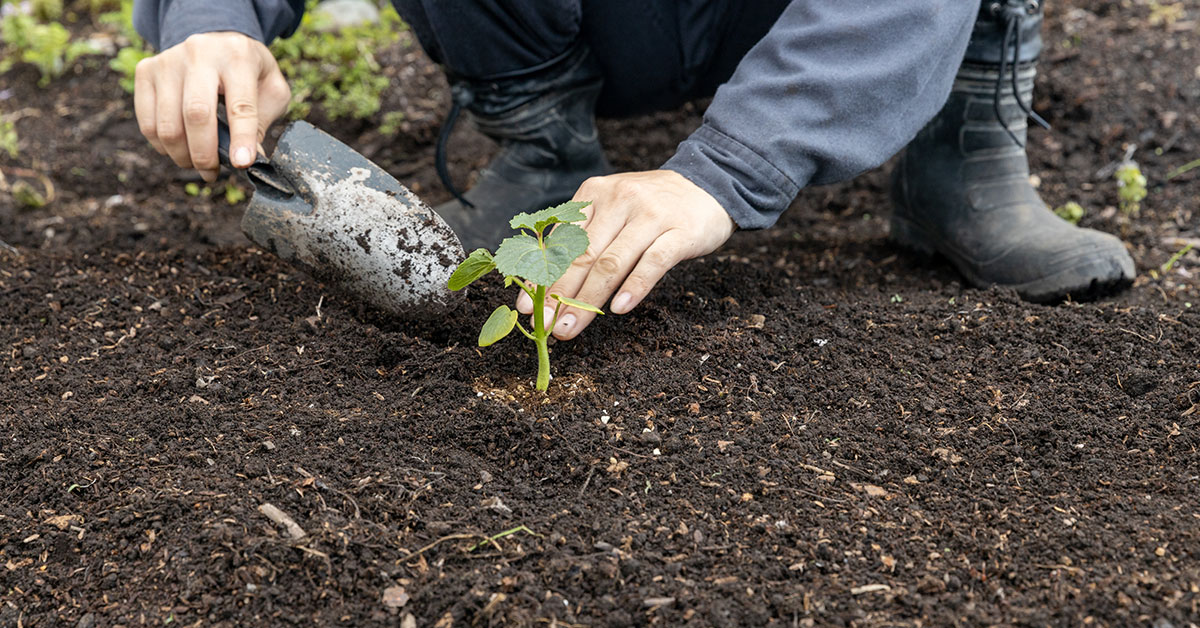
- Planting: Okra can be directly sown into the garden or started indoors and transplanted later. If starting indoors, sow the seeds in biodegradable pots 4-6 weeks before the last frost date. Transplant the seedlings when they have 4-6 true leaves. If sowing directly, plant the seeds 1 inch deep and 12-18 inches apart in rows spaced 3 feet apart.
- Watering: Okra requires regular watering, especially during dry spells. Water deeply, ensuring the soil is consistently moist but not waterlogged. Avoid overhead watering to prevent fungal diseases. Mulching around the plants can help retain moisture and suppress weeds.
- Fertilization: Okra is a heavy feeder and benefits from regular fertilization. Before planting, incorporate a balanced organic fertilizer into the soil. Additionally, side-dress the plants with compost or a nitrogen-rich fertilizer every 4-6 weeks during the growing season.
- Support: Okra plants can grow quite tall, reaching heights of 4-6 feet. To prevent them from falling over, provide support by staking or trellising. This will also make harvesting easier.
- Pest and Disease Control: Common pests that affect okra include aphids, flea beetles, and stink bugs. Monitor the plants regularly and use organic pest control methods like handpicking or spraying with insecticidal soap if necessary. Okra can also be susceptible to fungal diseases like powdery mildew and root rot. Proper spacing, good air circulation, and avoiding overhead watering can help prevent these issues.
- Harvesting: Okra pods are ready to harvest when they are 2-4 inches long and tender. Harvest every 2-3 days to ensure the pods are at their peak. Use a sharp knife or pruners to cut the pods from the plant, being careful not to damage the stems. Wear gloves as okra plants have small spines that can irritate the skin.
By following these steps and considering the specific needs of okra, you can successfully grow this delicious and nutritious vegetable in your garden.
When to harvest okra
In Oregon, okra is typically grown as an annual plant due to its sensitivity to cold temperatures. The best time to plant okra in Oregon is in late spring or early summer when the soil has warmed up and there is no longer a risk of frost. Okra plants require warm weather to thrive, with temperatures consistently above 60°F (15°C).
The time to pick okra in Oregon depends on the variety you are growing and the weather conditions. On average, okra pods are ready to be harvested around 50 to 60 days after planting. However, it’s important to monitor the plants closely as the pods can grow rapidly in warm weather.
To determine if okra is ready to be picked, look for pods that are around 3 to 4 inches long. They should be firm but still tender. If the pods become too large and tough, they can become woody and less enjoyable to eat. Harvesting regularly, every 2 to 3 days, encourages the plant to produce more pods.
Keep in mind that Oregon’s climate can be cooler and more humid compared to other regions where okra is commonly grown. Therefore, it’s essential to choose okra varieties that are suitable for cooler climates and have a shorter maturity period. Some recommended varieties for Oregon include ‘Clemson Spineless’ and ‘Burgundy’.
Common okra problems and fixes
Common problems when growing okra include pests, diseases, and environmental issues. Here are some common problems and their fixes:
- Aphids: These small insects can infest okra plants, sucking sap from the leaves and causing them to curl and distort. To control aphids, you can spray the plants with a strong jet of water to dislodge them or use insecticidal soap or neem oil.
- Whiteflies: These tiny insects can cause yellowing and wilting of okra leaves. To control whiteflies, you can introduce natural predators like ladybugs or lacewings, or use insecticidal soap or neem oil.
- Spider mites: These pests are common in hot and dry conditions, causing yellowing, stippling, and webbing on the leaves. Regularly spraying the plants with water and keeping the foliage moist can help control spider mites. You can also use insecticidal soap or neem oil.
- Fusarium wilt: This fungal disease causes yellowing, wilting, and stunting of the plants. To prevent fusarium wilt, choose disease-resistant okra varieties and practice crop rotation. If your plants are affected, remove and destroy them to prevent the spread of the disease.
- Powdery mildew: This fungal disease appears as a white powdery coating on the leaves, causing them to yellow and eventually die. To control powdery mildew, ensure good air circulation around the plants by spacing them properly. You can also apply fungicides containing sulfur or neem oil.
- Lack of pollination: Okra flowers require pollination to produce pods. If you notice poor pod development, it may be due to a lack of pollinators. To attract pollinators like bees and butterflies, plant flowers nearby or hand-pollinate the flowers using a small brush.
- Nutrient deficiencies: Okra plants may suffer from nutrient deficiencies, such as yellowing leaves due to nitrogen deficiency or stunted growth due to phosphorus deficiency. Regularly fertilize the plants with a balanced fertilizer to ensure they receive adequate nutrients.
- Environmental issues: Okra prefers warm temperatures and full sun. If the plants are not getting enough sunlight, they may become weak and leggy. Ensure they receive at least 6-8 hours of direct sunlight per day. Additionally, okra requires well-draining soil, so avoid overwatering to prevent root rot.
By addressing these common problems promptly, you can help ensure healthy and productive okra plants.