
Welcome to the world of okra cultivation in the beautiful state of New Mexico! If you’re an avid gardener or simply looking to try your hand at growing this versatile and nutritious vegetable, you’ve come to the right place. Okra, scientifically known as Abelmoschus esculentus, thrives in the warm and arid climate of New Mexico, making it an ideal addition to your garden. However, timing is crucial when it comes to planting okra, as it requires specific conditions to ensure a successful harvest. In this article, we will delve into the optimal time to plant okra in New Mexico, taking into account the unique climate and growing season of this region.
Best okra varieties to grow in New Mexico
In New Mexico, the climate can be quite hot and arid, so it’s important to choose okra varieties that are well-suited to these conditions. Here are a few okra varieties that tend to perform well in New Mexico:
- Clemson Spineless: This is a popular variety that is known for its high yield and disease resistance. It produces tender, spineless pods that are excellent for cooking.
- Emerald: Emerald okra is another great choice for New Mexico. It is a vigorous variety that produces dark green pods. It is also known for its heat tolerance and disease resistance.
- Annie Oakley II: This variety is particularly well-suited to hot and dry climates. It produces spineless pods that are tender and flavorful.
- Burgundy: If you’re looking for something a little different, Burgundy okra is a unique variety with deep red pods. It is also known for its heat tolerance and disease resistance.
Remember to provide your okra plants with full sun exposure and well-draining soil. Regular watering is essential, especially during hot and dry periods. Mulching around the plants can help conserve moisture and regulate soil temperature.
When to plant okra in New Mexico
In New Mexico, the best time to plant okra varies depending on the specific hardiness zone. Here are the recommended planting times for each zone:
- Zone 4a: The average last frost date in this zone is around May 15th. It is best to wait until after the last frost to plant okra. Therefore, the ideal time to plant okra in Zone 4a is from late May to early June.
- Zone 4b: Similar to Zone 4a, the average last frost date in Zone 4b is around May 15th. You should also wait until after the last frost to plant okra. Therefore, the ideal time to plant okra in Zone 4b is from late May to early June.
- Zone 5a: The average last frost date in this zone is around May 15th. It is best to wait until after the last frost to plant okra. Therefore, the ideal time to plant okra in Zone 5a is from late May to early June.
- Zone 5b: Similar to Zone 5a, the average last frost date in Zone 5b is around May 15th. You should also wait until after the last frost to plant okra. Therefore, the ideal time to plant okra in Zone 5b is from late May to early June.
- Zone 6a: The average last frost date in this zone is around May 15th. It is best to wait until after the last frost to plant okra. Therefore, the ideal time to plant okra in Zone 6a is from late May to early June.
- Zone 6b: Similar to Zone 6a, the average last frost date in Zone 6b is around May 15th. You should also wait until after the last frost to plant okra. Therefore, the ideal time to plant okra in Zone 6b is from late May to early June.
- Zone 7a: The average last frost date in this zone is around April 15th. It is best to wait until after the last frost to plant okra. Therefore, the ideal time to plant okra in Zone 7a is from late April to early May.
- Zone 7b: Similar to Zone 7a, the average last frost date in Zone 7b is around April 15th. You should also wait until after the last frost to plant okra. Therefore, the ideal time to plant okra in Zone 7b is from late April to early May.
- Zone 8a: The average last frost date in this zone is around March 15th. It is best to wait until after the last frost to plant okra. Therefore, the ideal time to plant okra in Zone 8a is from late March to early April.
- Zone 8b: Similar to Zone 8a, the average last frost date in Zone 8b is around March 15th. You should also wait until after the last frost to plant okra. Therefore, the ideal time to plant okra in Zone 8b is from late March to early April.
It’s important to note that these are general guidelines, and weather patterns can vary from year to year. Monitoring local weather conditions and frost dates can help you determine the best time to plant okra in your specific area.
How to grow okra in New Mexico
To successfully grow okra, follow these steps and considerations:
- Climate and Soil: Okra thrives in warm climates, ideally with temperatures between 70-90°F (21-32°C). It requires well-drained soil with a pH level of 6.0-6.8. Prepare the soil by adding organic matter like compost or aged manure to improve fertility and drainage.
- Planting Time: Okra is a warm-season crop that should be planted after the last frost date in your area. It is typically planted in spring or early summer when the soil temperature reaches around 65°F (18°C).
- Seed Selection: Choose high-quality okra seeds from a reputable source. There are various okra varieties available, such as Clemson Spineless, Emerald, and Annie Oakley II. Consider the size, color, and days to maturity when selecting the variety.
- Seed Starting: Okra seeds can be started indoors 4-6 weeks before the last frost date or directly sown into the garden. If starting indoors, use seed trays or pots filled with seed-starting mix. Plant the seeds ½ to 1 inch deep and keep the soil consistently moist until germination occurs, usually within 7-14 days.
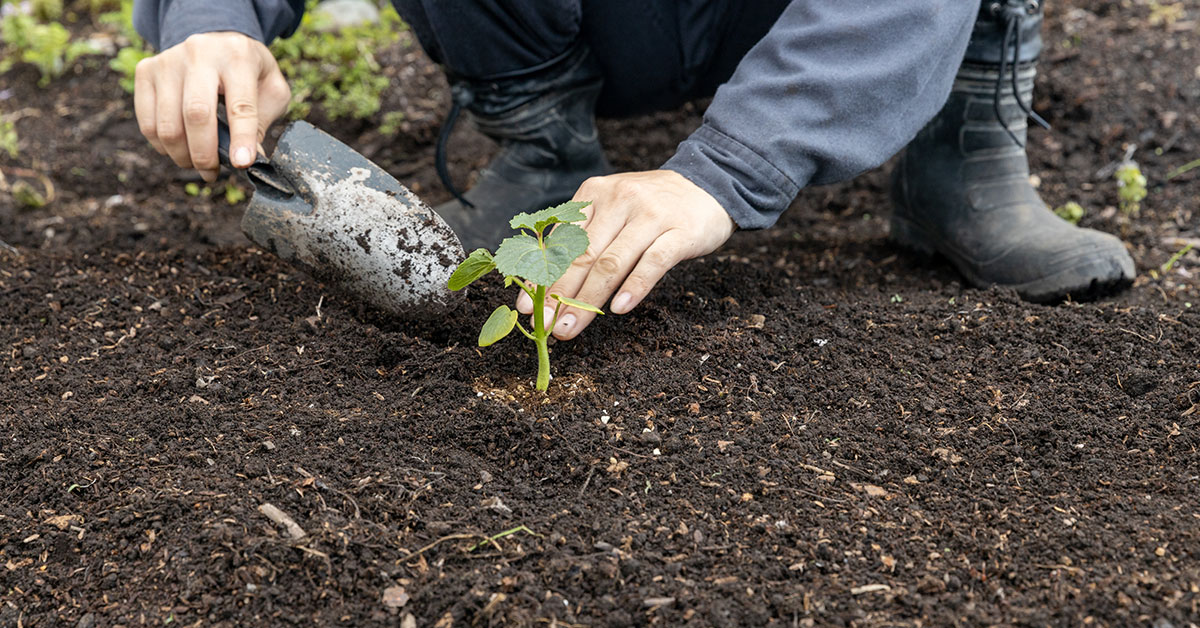
- Transplanting: If starting indoors, transplant the okra seedlings into the garden when they have 3-4 true leaves and the soil has warmed up. Space the plants 12-18 inches apart in rows that are 3-4 feet apart.
- Watering: Okra requires regular watering to ensure consistent moisture in the soil. Water deeply once or twice a week, providing around 1 inch of water per week. Avoid overhead watering to prevent fungal diseases.
- Fertilization: Apply a balanced fertilizer, such as a 10-10-10 or 14-14-14, at planting time and again when the plants are about 12-18 inches tall. Follow the package instructions for proper application rates.
- Mulching: Apply a layer of organic mulch, such as straw or wood chips, around the base of the plants to conserve moisture, suppress weeds, and maintain a more even soil temperature.
- Pruning and Support: Okra plants can grow quite tall, reaching heights of 4-6 feet. Consider providing support, such as stakes or trellises, to keep the plants upright. Prune any lateral branches that may hinder airflow and increase disease susceptibility.
- Pest and Disease Management: Common pests that may affect okra include aphids, flea beetles, and stink bugs. Monitor your plants regularly and use organic pest control methods if necessary. Diseases like powdery mildew and root rot can also occur, so ensure proper air circulation and avoid overwatering.
- Harvesting: Okra pods are ready for harvest when they are 2-4 inches long and still tender. Harvest every 2-3 days to encourage continuous production. Use a sharp knife or pruners to cut the pods from the plant, being careful not to damage the stems.
By following these steps and considering the specific needs of okra, you can enjoy a bountiful harvest of this delicious and nutritious vegetable.
When to harvest okra
In New Mexico, you can typically start picking okra around 55 to 60 days after planting, depending on the specific variety you are growing. It is important to monitor the size of the okra pods as they grow. Ideally, you want to harvest them when they are around 2 to 4 inches long. If you wait too long, the pods can become tough and fibrous. Regular harvesting encourages the plant to produce more pods, so it’s best to check your okra plants every 2 to 3 days during the peak growing season.
Common okra problems and fixes
Common problems when growing okra include:
- Poor germination: Okra seeds may have a low germination rate, resulting in poor seedling establishment. To improve germination, soak the seeds in water for 24 hours before planting. Plant the seeds in well-draining soil and keep it consistently moist until germination occurs.
- Pests: Okra can be susceptible to pests such as aphids, flea beetles, and caterpillars. Regularly inspect your plants for signs of infestation, like distorted leaves or chewed foliage. Use organic insecticides or insecticidal soaps to control pests. Introducing beneficial insects like ladybugs or lacewings can also help keep pest populations in check.
- Diseases: Okra can be affected by various diseases, including powdery mildew, damping-off, and root rot. To prevent these diseases, ensure proper air circulation by spacing plants adequately. Avoid overhead watering, as wet foliage can promote disease development. If necessary, apply appropriate fungicides or biofungicides as per the instructions.
- Nutrient deficiencies: Okra plants may suffer from nutrient deficiencies, particularly nitrogen, phosphorus, and potassium. Monitor the appearance of the leaves for signs of yellowing or discoloration. To address deficiencies, apply a balanced fertilizer or amend the soil with organic matter before planting. Regularly feed the plants with a balanced fertilizer throughout the growing season.
- Heat stress: Okra thrives in warm climates, but extreme heat can cause stress and reduce fruit production. Provide shade or use shade cloth during the hottest part of the day to protect the plants. Mulching around the base of the plants can also help conserve soil moisture and regulate soil temperature.
- Improper harvesting: Harvesting okra too late can result in tough and fibrous pods. Harvest the pods when they are young and tender, around 3-4 inches in length. Use a sharp knife or pruners to cut the pods from the plant, being careful not to damage the stem or nearby buds.
By addressing these common problems, you can increase the success of growing okra and enjoy a bountiful harvest.