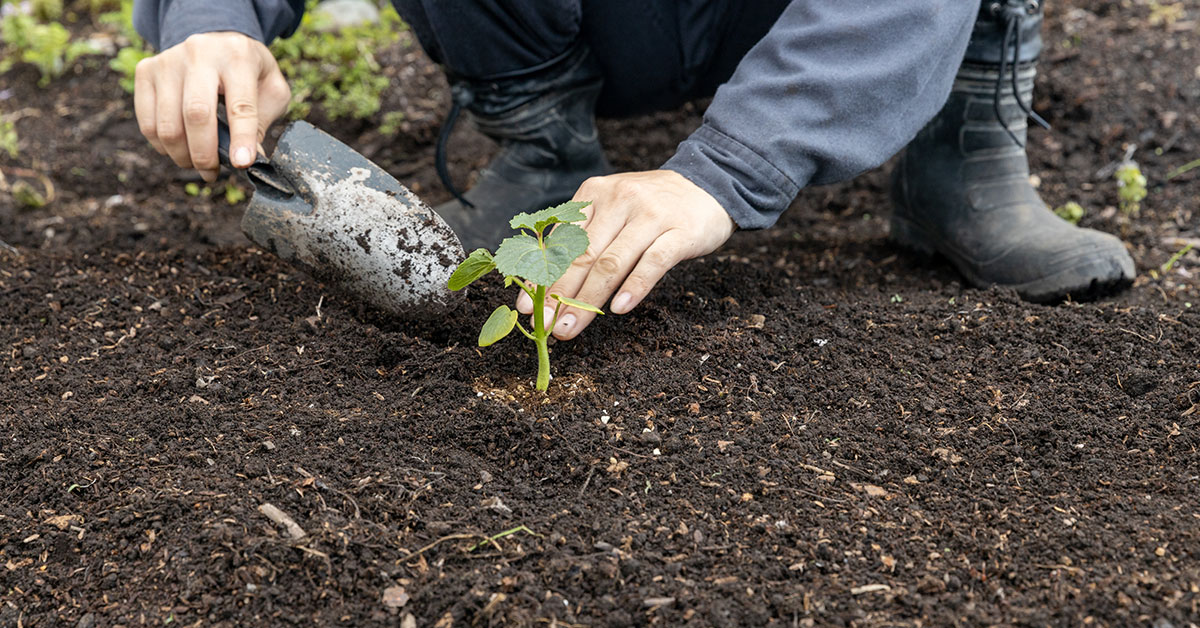

Welcome to the world of growing okra in North Carolina! If you’re a gardening enthusiast looking to add this versatile and delicious vegetable to your backyard garden, you’ve come to the right place. Okra, scientifically known as Abelmoschus esculentus, thrives in the warm and humid climate of North Carolina, making it an ideal choice for gardeners in the region. However, knowing the right time to plant this heat-loving crop is crucial for a successful harvest.
In this article, we will explore the optimal planting time for okra in North Carolina, taking into consideration the local climate and growing conditions. So, grab your gardening tools and let’s dive into the world of okra planting!
Best okra varieties to grow in North Carolina
In North Carolina, there are several okra varieties that thrive well in the region’s climate. Here are a few recommended varieties:
- Clemson Spineless: This is a popular variety known for its high yield and disease resistance. It produces tender, spineless pods that are great for cooking.
- Annie Oakley II: This variety is known for its early maturity and high productivity. It produces dark green pods that are tender and delicious.
- Emerald: Emerald okra is a heat-tolerant variety that performs well in North Carolina’s hot summers. It produces bright green pods that are tender and flavorful.
- Louisiana Green Velvet: This variety is well-suited for North Carolina’s climate. It produces dark green, spineless pods that are tender and tasty.
- Jambalaya: Jambalaya okra is a hybrid variety that performs well in hot and humid conditions. It produces long, slender pods that are tender and delicious.
Remember to consider factors such as disease resistance, yield, and taste preferences when choosing the right okra variety for your garden in North Carolina.
When to plant okra in North Carolina
In North Carolina, the best time to plant okra depends on the specific hardiness zone you are in. North Carolina is divided into three main hardiness zones: Zone 6, Zone 7, and Zone 8. Here’s a breakdown of the best planting times for each zone:
- Zone 6: In this zone, which covers the western part of North Carolina, the average last frost date is around mid-April. It is recommended to plant okra seeds or transplants after the last frost date, typically in late April or early May. This allows the soil to warm up sufficiently for optimal germination and growth.
- Zone 7: This zone covers the central part of North Carolina, including cities like Raleigh and Greensboro. The average last frost date in Zone 7 is typically in early to mid-April. It is advisable to plant okra seeds or transplants after the last frost date, around mid-April or early May.
- Zone 8: The eastern part of North Carolina falls under Zone 8, including cities like Wilmington and Outer Banks. In this zone, the average last frost date is usually in late March or early April. Okra can be planted as early as mid-April or even late March, depending on the weather conditions and soil temperature.
Regardless of the zone, it is important to consider soil temperature when planting okra. The soil should be at least 65°F (18°C) for successful germination and growth. If the soil is too cold, the seeds may rot or struggle to sprout. Using a soil thermometer can help determine if the soil is warm enough for planting.
It’s worth noting that okra is a warm-season crop and thrives in hot weather. It requires a long growing season, usually around 60-70 days from planting to harvest. Therefore, planting okra as early as possible in each zone will allow for a longer growing period and a better chance of a bountiful harvest.
How to grow okra in North Carolina
Growing okra requires careful planning and consideration of various factors. Here are the steps and considerations for successfully growing okra:
- Climate: Okra thrives in warm climates with temperatures between 70-90°F (21-32°C). It is a heat-loving plant and requires a long growing season of at least 60-80 days.
- Soil preparation: Okra prefers well-drained soil with a pH level of 6.0-6.8. Prepare the soil by adding organic matter like compost or aged manure to improve fertility and drainage. Remove any weeds or debris from the planting area.
- Planting time: Okra seeds can be directly sown in the garden once the soil temperature reaches 65°F (18°C) or above. In cooler regions, start seeds indoors 4-6 weeks before the last frost date and transplant them outdoors when the soil warms up.
- Planting depth and spacing: Sow okra seeds about 1 inch (2.5 cm) deep, spacing them 12-18 inches (30-45 cm) apart. Leave 3-4 feet (90-120 cm) between rows to allow for proper growth and air circulation.
- Watering: Okra requires regular watering, especially during dry spells. Keep the soil consistently moist but not waterlogged. Water at the base of the plant to avoid wetting the foliage, which can lead to diseases.
- Fertilization: Okra is a heavy feeder and benefits from regular fertilization. Before planting, incorporate a balanced organic fertilizer into the soil. Side-dress the plants with compost or a nitrogen-rich fertilizer every 4-6 weeks during the growing season.
- Mulching: Apply a layer of organic mulch, such as straw or wood chips, around the base of the plants to conserve moisture, suppress weeds, and maintain a more even soil temperature.
- Support: Some okra varieties can grow quite tall, so providing support like stakes or cages may be necessary to prevent them from falling over in strong winds.
- Pest and disease management: Common pests that affect okra include aphids, flea beetles, and caterpillars. Monitor the plants regularly and take appropriate measures like handpicking or using organic insecticides if necessary. Diseases like powdery mildew and root rot can also affect okra, so ensure good air circulation and avoid overwatering.
- Harvesting: Okra pods are ready to harvest when they reach 2-4 inches (5-10 cm) in length, usually within 50-60 days after planting. Harvest regularly, every 2-3 days, to encourage continuous production. Use a sharp knife or pruners to cut the pods from the plant, being careful not to damage the stems.
By following these steps and considering the specific needs of okra, you can successfully grow this heat-loving vegetable in your garden.
When to harvest okra
In North Carolina, okra is typically ready to be picked from late June to early October. The exact timing can vary depending on the specific variety of okra you are growing and the weather conditions in your area. It is important to regularly monitor your okra plants for maturity to ensure you harvest them at the right time. Okra pods are usually ready to be picked when they are about 2-4 inches long and still tender. If the pods become too large and tough, they can become woody and less enjoyable to eat.
Common okra problems and fixes
Common problems when growing okra include pests, diseases, and environmental issues. Here are some common problems and their fixes:
- Aphids: These small insects feed on the sap of okra plants, causing stunted growth and yellowing leaves. To control aphids, you can spray a mixture of water and dish soap on the affected plants or introduce natural predators like ladybugs or lacewings.
- Whiteflies: These tiny insects suck sap from the leaves, causing them to turn yellow and wilt. You can control whiteflies by using sticky traps, spraying neem oil, or introducing natural predators like parasitic wasps.
- Powdery Mildew: This fungal disease appears as a white, powdery substance on the leaves, stems, and pods. To prevent powdery mildew, ensure proper air circulation by spacing plants adequately and avoid overhead watering. If infected, remove and destroy the affected parts and apply a fungicide if necessary.
- Root-knot Nematodes: These microscopic worms attack the roots, causing stunted growth and yellowing leaves. To manage nematodes, rotate crops, plant resistant varieties, and apply organic soil amendments like neem cake or compost.
- Poor Fruit Set: Okra requires pollination for fruit set. If you notice poor fruit development, it could be due to a lack of pollinators. Encourage pollinators like bees by planting nectar-rich flowers nearby or hand-pollinate by transferring pollen from male to female flowers using a small brush or cotton swab.
- Heat Stress: Okra is a warm-season crop, but extreme heat can cause flower drop and reduce fruit production. To mitigate heat stress, provide shade during the hottest part of the day, mulch around plants to conserve moisture, and ensure adequate watering.
- Improper Harvesting: Harvest okra pods when they are young and tender, usually around 3-4 inches long. If left on the plant too long, they become tough and fibrous. Regular harvesting also encourages more pod production.
Remember to monitor your plants regularly, practice good garden hygiene, and provide optimal growing conditions to prevent and address any issues that may arise.