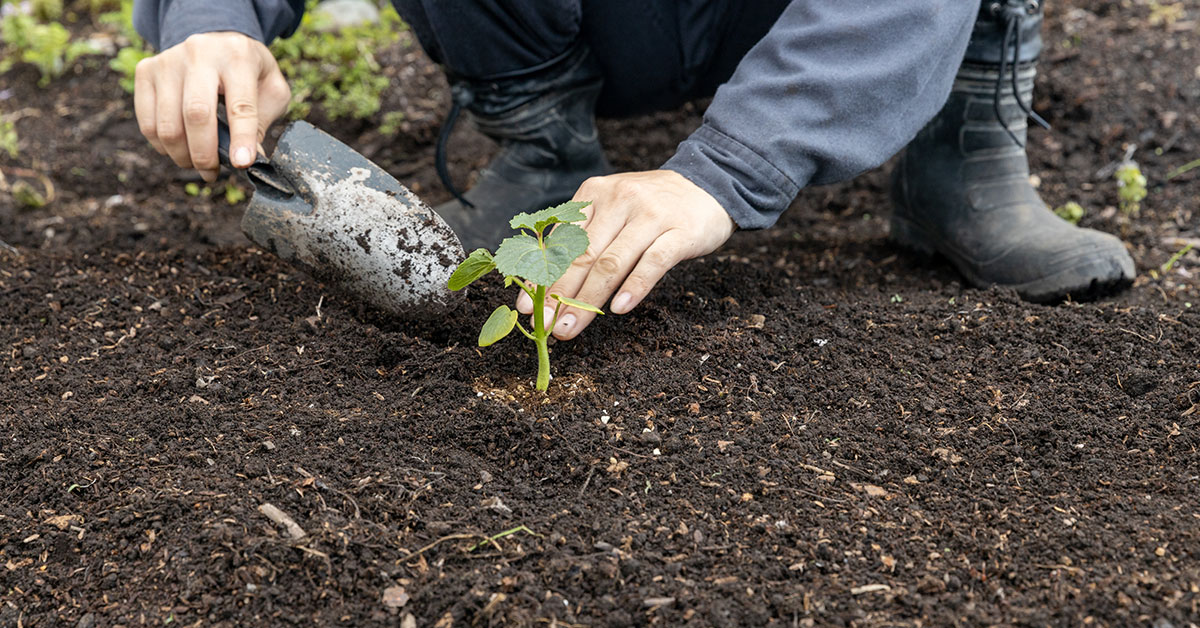

Welcome to the world of growing okra in Nebraska! If you’re an avid gardener or simply looking to add a unique and delicious vegetable to your backyard garden, growing okra can be a rewarding experience. Known for its vibrant green pods and versatility in the kitchen, okra thrives in warm climates and requires careful consideration when it comes to planting.
In this article, we will delve into the optimal time to plant okra in Nebraska, taking into account the state’s climate, soil conditions, and the specific needs of this heat-loving plant. Whether you’re a seasoned gardener or a beginner, by following our expert advice, you’ll be well on your way to a successful okra harvest in the Cornhusker State.
Best okra varieties to grow in Nebraska
In Nebraska, it is important to choose okra varieties that have a shorter growing season and are more tolerant to cooler temperatures. Here are a few okra varieties that tend to perform well in Nebraska:
- Clemson Spineless: This is a popular variety known for its high yields and disease resistance. It has a relatively short growing season of around 55-60 days and produces tender, spineless pods.
- Emerald: This variety is known for its dark green pods and excellent flavor. It has a slightly longer growing season of around 60-65 days but is still suitable for Nebraska’s climate.
- Annie Oakley II: This variety is a good choice for cooler climates as it has a shorter growing season of about 55-60 days. It produces tender, spineless pods and is known for its high productivity.
- Burgundy: If you are looking for a unique variety, Burgundy is a good option. It produces deep red pods that are not only visually appealing but also have a delicious flavor. It has a growing season of around 60-65 days.
- Jambalaya: This variety is well-suited for cooler climates and has a relatively short growing season of about 55-60 days. It produces tender, spineless pods that are great for cooking.
Remember to consider your specific location in Nebraska, as microclimates can vary. It is always a good idea to consult with local nurseries, cooperative extension offices, or experienced gardeners in your area for more specific recommendations based on your exact location.
When to plant okra in Nebraska
In Nebraska, the best time to plant okra varies depending on the hardiness zone. Nebraska is divided into four hardiness zones: Zone 4, Zone 5, Zone 6, and Zone 7. Here are the recommended planting times for each zone:
- Zone 4: In Zone 4, which covers the northernmost parts of Nebraska, the average last frost date is around May 15th. It is best to wait until after the last frost to plant okra outdoors. Therefore, the ideal time to plant okra in Zone 4 is from late May to early June.
- Zone 5: Zone 5 covers a large portion of Nebraska, including cities like Omaha and Lincoln. The average last frost date in this zone is typically around May 1st. It is advisable to wait until after the last frost to plant okra. Therefore, the best time to plant okra in Zone 5 is from mid-May to early June.
- Zone 6: Zone 6 covers parts of southeastern Nebraska, including cities like Beatrice and Nebraska City. The average last frost date in this zone is around April 15th. It is recommended to wait until after the last frost to plant okra. Therefore, the ideal time to plant okra in Zone 6 is from late April to early May.
- Zone 7: Zone 7 covers a small portion of southeastern Nebraska, including cities like Falls City. The average last frost date in this zone is around April 15th. It is best to wait until after the last frost to plant okra. Therefore, the recommended time to plant okra in Zone 7 is from late April to early May.
When planting okra, it is important to consider the soil temperature as well. Okra prefers warm soil, ideally around 70°F (21°C) or higher. If the soil is too cold, the seeds may not germinate well, and the plants may struggle to grow. Using a soil thermometer can help ensure the soil is warm enough for planting.
Additionally, okra requires full sun and well-drained soil. It is a warm-season crop that thrives in hot and humid conditions. Providing adequate water and regular fertilization will promote healthy growth and maximize yield.
How to grow okra in Nebraska
Growing okra requires careful planning and attention to detail. Here are the steps and considerations to keep in mind:
- Climate and Timing: Okra thrives in warm climates with temperatures between 75-90°F (24-32°C). It is a heat-loving plant, so make sure to plant it after the last frost date in your area.
- Soil Preparation: Okra prefers well-drained soil with a pH level between 6.0-6.8. Before planting, amend the soil with organic matter like compost or well-rotted manure to improve fertility and drainage.
- Seed Selection: Choose high-quality okra seeds from a reputable source. Look for disease-resistant varieties suitable for your climate.
- Seed Starting: Okra seeds can be directly sown into the garden or started indoors 4-6 weeks before the last frost date. If starting indoors, use biodegradable pots to minimize root disturbance during transplanting.
- Planting: Space okra plants 12-18 inches apart in rows that are 3-4 feet apart. Plant the seeds 1 inch deep, cover with soil, and water gently. Ensure the soil remains consistently moist until germination occurs.
- Watering: Okra requires regular watering, especially during dry spells. Aim to keep the soil evenly moist but not waterlogged. Water at the base of the plant to avoid wetting the leaves, as this can encourage disease.
- Fertilization: Apply a balanced organic fertilizer or compost at planting time. Side-dress with additional compost or a nitrogen-rich fertilizer when the plants are about 6 inches tall and again when they start to produce pods.
- Mulching: Apply a layer of organic mulch around the base of the plants to conserve moisture, suppress weeds, and maintain a more even soil temperature.
- Pruning: Okra plants can grow quite tall, reaching heights of 4-6 feet. Consider staking or trellising them to prevent lodging. Prune any lower leaves that touch the ground to reduce the risk of disease.
- Pest and Disease Management: Monitor your plants regularly for pests like aphids, flea beetles, and stink bugs. Handpick or use organic insecticides if necessary. Common diseases affecting okra include powdery mildew, root rot, and bacterial wilt. Rotate crops, practice good sanitation, and choose disease-resistant varieties to minimize these issues.
- Harvesting: Okra pods are ready to harvest when they reach 2-4 inches in length, usually within 50-60 days after planting. Harvest every 2-3 days to ensure the pods are tender and not overly mature. Use a sharp knife or pruners to cut the pods from the plant.
By following these steps and considerations, you can successfully grow okra and enjoy a bountiful harvest.
When to harvest
In Nebraska, okra is typically ready to be picked around 55 to 60 days after planting. The exact timing may vary depending on the specific variety you are growing and the weather conditions during the growing season. It is important to monitor the plants closely for maturity. Okra pods are best harvested when they are young and tender, around 2 to 4 inches in length. If left on the plant for too long, the pods can become tough and fibrous. Regularly check the plants and harvest the pods as soon as they reach the desired size.
Common problems and fixes
Common problems when growing okra include pests, diseases, and environmental issues. Here are some common problems and their fixes:
- Aphids: These small insects can suck the sap from okra plants, causing stunted growth and yellowing leaves. To control aphids, you can spray the plants with a mixture of water and mild dish soap or use insecticidal soap. Ladybugs and lacewings are natural predators of aphids and can help control their population.
- Whiteflies: These tiny white insects can cause yellowing leaves and transmit diseases to okra plants. To control whiteflies, you can use sticky traps or insecticidal soap. Introducing beneficial insects like ladybugs and parasitic wasps can also help control whitefly populations.
- Fusarium Wilt: This fungal disease causes yellowing, wilting, and eventual death of the plant. To prevent fusarium wilt, choose disease-resistant okra varieties and practice crop rotation. Avoid overwatering and ensure good drainage to prevent the spread of the fungus. If your plants are infected, remove and destroy them to prevent further spread.
- Powdery Mildew: This fungal disease appears as a white powdery coating on the leaves, stems, and pods. To control powdery mildew, ensure good air circulation around the plants by spacing them adequately. Remove and destroy infected plant parts and apply fungicides if necessary.
- Root Knot Nematodes: These microscopic worms can cause root galls, stunted growth, and reduced yields. To control nematodes, choose resistant varieties and practice crop rotation. Soil solarization, where you cover the soil with clear plastic to trap heat, can also help kill nematodes.
- Environmental Issues: Okra prefers warm temperatures and full sun. If the plants are not getting enough sunlight, they may grow weak and produce fewer pods. Ensure your okra plants receive at least 6-8 hours of direct sunlight daily. Additionally, okra requires well-draining soil, so if the soil is too compacted or retains too much water, it can lead to root rot. Improve soil drainage by adding organic matter like compost or perlite.
Remember, prevention is key to maintaining healthy okra plants. Regularly inspect your plants for signs of pests or diseases, provide proper care, and take necessary actions promptly to address any issues that arise.