
Welcome to the world of the Muscade de Provence pumpkin, a variety that will surely captivate any gardening enthusiast. Known for its unique appearance and exceptional flavor, this heirloom pumpkin hails from the Provence region of France.
With its striking ribbed exterior and vibrant orange color, the Muscade de Provence pumpkin is not only a feast for the eyes but also a delight for the taste buds. In this article, we will explore the secrets to successfully growing this magnificent pumpkin variety, from selecting the right seeds to nurturing the plants throughout their growth cycle.
Whether you are a seasoned gardener or a beginner, get ready to embark on a pumpkin-growing adventure that will yield bountiful harvests and a sense of accomplishment.
What are Muscade de Provence pumpkins?
Muscade de Provence pumpkin, also known as the “Musquee de Provence” or “Fairytale pumpkin,” is a unique and highly sought-after variety of pumpkin. Originating from the Provence region in France, this heirloom pumpkin is known for its distinctive appearance and exceptional flavor. The Muscade de Provence pumpkin has a flattened, ribbed shape with deep orange skin that is heavily textured and often covered in a dusty grayish-blue coating. Its size can range from medium to large, with some specimens weighing up to 20 pounds or more. The flesh of this pumpkin is dense, sweet, and aromatic, making it perfect for baking, roasting, or making delicious pumpkin soups and pies. One of the most remarkable features of the Muscade de Provence pumpkin is its long storage life. When properly cured and stored in a cool, dry place, it can last for several months, allowing you to enjoy its flavors well into the winter season. This pumpkin variety requires a longer growing season, typically taking around 100-120 days to reach maturity. It thrives in warm climates with full sun exposure and well-drained soil. Adequate spacing between plants is essential to allow the vines to spread and develop properly. Muscade de Provence pumpkins are not only a delight to the taste buds but also make a stunning decorative addition to any autumn display. Their unique shape and vibrant color make them a popular choice for fall decorations, adding a touch of elegance and charm to gardens, porches, and festive displays. Overall, Muscade de Provence pumpkins are a favorite among gardeners and culinary enthusiasts alike, offering a delightful combination of visual appeal, exceptional flavor, and long-lasting storage capabilities.
What do Muscade de Provence pumpkins taste like?
Muscade de Provence pumpkin, also known as the “Fairytale” pumpkin, is a unique variety that offers a delightful flavor profile. It is highly regarded for its exceptional taste, making it a popular choice among pumpkin enthusiasts and chefs alike.
The flavor of Muscade de Provence pumpkin can be described as rich, sweet, and nutty. It has a smooth and creamy texture with a dense flesh that is perfect for cooking and baking. When cooked, it develops a deep, caramelized flavor that is reminiscent of roasted chestnuts or sweet potatoes.
The sweetness of Muscade de Provence pumpkin is well-balanced, not overpowering, and has subtle hints of honey and vanilla. Its nutty undertones add a delightful complexity to its flavor, making it a versatile ingredient in a variety of dishes.
Whether used in savory recipes like soups, stews, or roasted vegetable medleys, or in sweet treats like pies, breads, or muffins, Muscade de Provence pumpkin brings a distinct and delicious taste to any dish. Its flavor profile is often described as comforting and earthy, making it a perfect addition to fall-inspired recipes.
Overall, Muscade de Provence pumpkin offers a unique and delightful flavor experience that is sure to please the taste buds of pumpkin lovers and food enthusiasts alike.
How to start Muscade de Provence pumpkin seeds
Starting Muscade de Provence pumpkins requires a few key steps to ensure successful growth. Here is a guide to help you get started:
- Selecting Seeds: Choose high-quality Muscade de Provence pumpkin seeds from a reputable source. Look for seeds that are fresh, viable, and specifically labeled for Muscade de Provence variety.
- Timing: Muscade de Provence pumpkins are typically grown as winter squash, so it’s important to start them early enough to allow for a full growing season. Start seeds indoors about 4-6 weeks before the last frost date in your area.
- Soil Preparation: Pumpkins prefer well-draining soil rich in organic matter. Prepare the planting area by loosening the soil to a depth of at least 12 inches and incorporating compost or well-rotted manure to improve fertility and moisture retention.
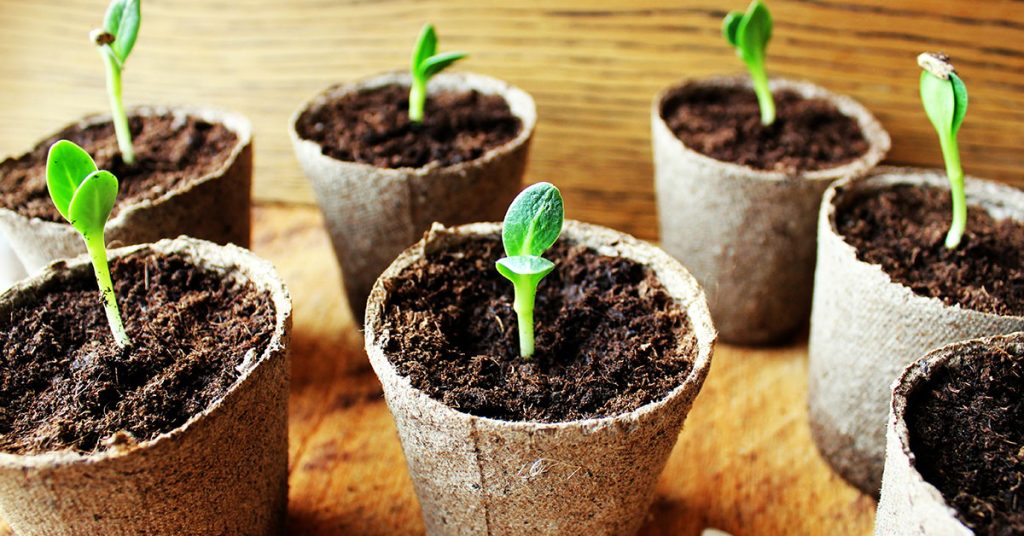
- Germination: Fill seed trays or small pots with seed-starting mix. Plant the Muscade de Provence seeds about 1 inch deep, placing 2-3 seeds per pot. Water the soil gently to ensure it is evenly moist but not waterlogged.
- Temperature and Light: Muscade de Provence pumpkins require warm soil for germination. Maintain a temperature of around 70-85°F (21-29°C) until the seeds sprout. Once germinated, provide them with 12-14 hours of direct sunlight or use grow lights to ensure they receive adequate light.
- Transplanting: When the seedlings have developed their first true leaves and all danger of frost has passed, it’s time to transplant them outdoors. Choose a sunny location with ample space for the sprawling vines of Muscade de Provence pumpkins. Space the plants about 4-6 feet apart to allow for proper growth.
- Hardening Off: Before transplanting, gradually acclimate the seedlings to outdoor conditions. Start by placing them outdoors in a sheltered spot for a few hours a day, gradually increasing the time and exposure to direct sunlight over a week.
- Planting: Dig a hole slightly larger than the root ball of the seedling. Gently remove the seedling from its container, being careful not to damage the roots. Place it in the hole, backfill with soil, and firm it gently around the base of the plant.
- Watering and Mulching: Water the newly transplanted Muscade de Provence pumpkins thoroughly and regularly, keeping the soil consistently moist but not waterlogged. Apply a layer of organic mulch around the plants to help retain moisture, suppress weeds, and regulate soil temperature.
- Care and Maintenance: As the plants grow, provide support for the heavy fruit by placing a straw or cloth sling underneath them. Regularly monitor for pests and diseases, and take appropriate measures to control them. Water deeply during dry spells and fertilize with a balanced organic fertilizer according to package instructions.
- Harvesting: Muscade de Provence pumpkins are ready for harvest when the skin has turned a deep orange color and the stem has dried and started to detach from the fruit. Use a sharp knife or pruners to cut the stem, leaving a few inches attached to the pumpkin.
By following these steps, you can successfully start and grow Muscade de Provence pumpkins in your garden. Enjoy the process and the delicious fruits that this variety produces!
When to plant Muscade de Provence pumpkins outdoors
The ideal time to plant Muscade de Provence pumpkin is in late spring or early summer, after the last frost has passed and the soil has warmed up. This variety of pumpkin requires warm soil and temperatures between 70-85°F (21-29°C) for optimal growth. Planting too early when the soil is still cold can result in poor germination and stunted growth.
Growing & care guide
Muscade de Provence pumpkins, also known as Fairytale pumpkins, are a popular variety known for their unique shape and delicious flavor. To ensure successful growth and a bountiful harvest, here are some best practices for caring for Muscade de Provence pumpkins:
- Location: Choose a sunny spot in your garden with well-draining soil. Muscade de Provence pumpkins require at least 6-8 hours of direct sunlight daily to thrive.
- Soil Preparation: Before planting, prepare the soil by loosening it with a garden fork or tiller. Mix in organic matter such as compost or well-rotted manure to improve soil fertility and drainage. Pumpkins prefer slightly acidic to neutral soil with a pH range of 6.0-7.0.
- Planting: Muscade de Provence pumpkins can be directly sown into the ground or started indoors as transplants. If starting indoors, sow seeds 2-3 weeks before the last frost date and transplant them outdoors once the soil has warmed up. Plant the seeds about 1 inch deep and 3-4 feet apart, as these pumpkins require ample space to spread.
- Watering: Pumpkins need consistent moisture, especially during the fruiting stage. Water deeply, providing around 1-2 inches of water per week. Avoid overhead watering to prevent diseases. Instead, use a soaker hose or drip irrigation system to water at the base of the plants.
- Mulching: Apply a layer of organic mulch, such as straw or wood chips, around the base of the plants. Mulching helps retain soil moisture, suppresses weed growth, and regulates soil temperature. It also prevents direct contact between the pumpkins and the soil, reducing the risk of rot.
- Fertilization: Muscade de Provence pumpkins are heavy feeders and benefit from regular fertilization. Before planting, incorporate a balanced organic fertilizer into the soil. Once the plants start to develop, side-dress them with compost or a nitrogen-rich fertilizer every 3-4 weeks to promote healthy growth and fruit production.
- Pollination: Pumpkins require pollination to set fruit. Bees and other pollinators play a crucial role in this process. To attract pollinators, plant flowers nearby or use companion plants like marigolds or zinnias. If pollination seems inadequate, you can hand-pollinate by transferring pollen from male flowers to female flowers using a small brush or cotton swab.
- Pest and Disease Control: Muscade de Provence pumpkins are generally resistant to many common pumpkin pests and diseases. However, it’s still important to monitor for any signs of trouble, such as powdery mildew, squash bugs, or cucumber beetles. Use organic pest control methods like handpicking, insecticidal soaps, or neem oil if necessary.
- Harvesting: Muscade de Provence pumpkins are ready for harvest when the skin turns a deep orange color and the stem starts to dry out. Use a sharp knife or pruning shears to cut the pumpkin from the vine, leaving a few inches of stem attached. Handle them carefully to avoid bruising or damaging the skin.
By following these best practices, you can ensure healthy growth and a bountiful harvest of Muscade de Provence pumpkins. Enjoy their unique shape and delicious flavor in your culinary creations or as autumn decorations!
When to harvest
Muscade de Provence pumpkin, also known as Fairytale pumpkin, is a popular variety known for its unique shape and delicious flavor. Harvesting this pumpkin at the right time is crucial to ensure optimal taste and storage life. Here’s a step-by-step guide on when and how to harvest Muscade de Provence pumpkin:
- Timing: Muscade de Provence pumpkins typically take around 100-110 days to mature from the time of planting. The exact timing may vary depending on growing conditions and climate. It’s important to keep track of the planting date to estimate the harvest time accurately.
- Observe the color and texture: When the pumpkin is mature and ready for harvest, its skin will turn a deep, rich orange color. The skin should also feel hard and resist scratching with your fingernail. Additionally, the stem connecting the pumpkin to the vine should be dry and brown.
- Check the tendrils: Another indicator of readiness for harvest is the condition of the tendrils near the pumpkin’s stem. As the pumpkin matures, the tendrils will start to dry out and turn brown. If the majority of the tendrils are brown and withered, it’s a good sign that the pumpkin is ready to be harvested.
- Lift and inspect: Carefully lift the pumpkin from the ground, supporting its weight with your hands or a gardening tool. Inspect the pumpkin for any signs of damage, rot, or soft spots. If the pumpkin is in good condition, proceed with the harvest.
- Cut the stem: Using a sharp knife or pruning shears, cut the stem about 2-3 inches above the pumpkin. Be careful not to damage the pumpkin or leave a long stem, as this can increase the risk of rotting during storage.
- Clean and cure: After harvesting, gently wipe off any dirt or debris from the pumpkin’s surface. It’s essential to cure the Muscade de Provence pumpkin before storing it. Curing involves placing the pumpkin in a warm, dry, and well-ventilated area for about 10-14 days. This process helps toughen the skin and extend the storage life.
- Storage: Once the pumpkin is cured, it can be stored in a cool, dry place with good air circulation. Ideal storage conditions include temperatures between 50-55°F (10-13°C) and humidity levels around 50-70%. Properly cured and stored Muscade de Provence pumpkins can last for several months.
Remember, it’s essential to handle the pumpkin with care during harvesting and storage to avoid any damage or bruising. By following these guidelines, you can enjoy the delicious flavor of Muscade de Provence pumpkin for an extended period.