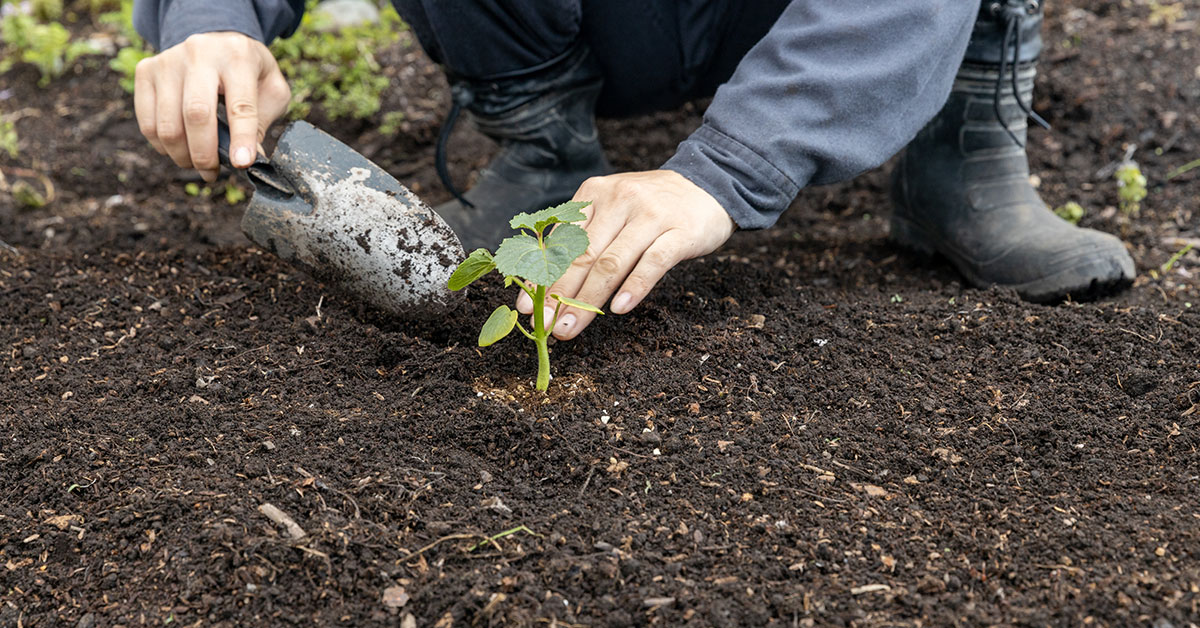

Montana’s unique climate and diverse growing conditions can pose challenges for gardeners, especially when it comes to cultivating warm-season crops like okra (Abelmoschus esculentus). Known for its vibrant green pods and distinct flavor, okra thrives in hot and humid regions, making it an unconventional choice for Montana’s cooler climate. However, with careful planning and the right techniques, it is indeed possible to grow this beloved vegetable successfully in the Treasure State. In this comprehensive guide, we will delve into the optimal time to plant okra in Montana, taking into account the state’s specific weather patterns, frost dates, and other crucial factors that will help you achieve a bountiful harvest of this Southern favorite.
Whether you are a seasoned gardener or a novice enthusiast, this article will equip you with the knowledge and confidence to grow okra in Montana’s challenging conditions.
Best okra varieties to grow in Montana
Okra is a warm-season crop that thrives in hot and humid climates. Montana’s cooler climate and shorter growing season can make it challenging to grow okra successfully. However, there are a few okra varieties that are known to perform better in cooler regions. Here are a couple of varieties that you can try in Montana:
- Clemson Spineless: This is a popular okra variety that is known for its productivity and disease resistance. It has a relatively shorter growing season, making it suitable for cooler climates. Clemson Spineless produces tender, spineless pods that are excellent for cooking.
- Burgundy: This variety is unique because it produces deep burgundy-colored pods instead of the traditional green ones. Burgundy okra is known for its ornamental value and can add a pop of color to your garden. It also has a relatively shorter growing season, making it a good choice for Montana’s climate.
When growing okra in Montana, it is essential to start the seeds indoors or in a greenhouse to give them a head start before transplanting them outdoors. Additionally, using black plastic mulch or row covers can help create a warmer microclimate for the plants and extend the growing season. Remember to provide your okra plants with full sun exposure, well-draining soil, and regular watering. With proper care and attention, you can still enjoy a successful okra harvest in Montana.
When to plant okra in Montana
In Montana, the best time to plant okra varies depending on the hardiness zone. Montana is divided into four hardiness zones: Zone 3, Zone 4, Zone 5, and Zone 6. Here’s a breakdown of the best planting times for each zone:
- Zone 3: This zone experiences very cold winters, with average minimum temperatures dropping to -30°F (-34°C). In Zone 3, it is recommended to start okra indoors 6-8 weeks before the last expected frost date, which is typically around mid-May. Transplant the seedlings outdoors after the danger of frost has passed, usually in late May or early June.
- Zone 4: Zone 4 also has cold winters, with average minimum temperatures ranging from -30°F (-34°C) to -20°F (-29°C). Similar to Zone 3, start okra seeds indoors 6-8 weeks before the last frost date, which is typically in mid-May. Transplant the seedlings outdoors after the frost danger has passed, usually in late May or early June.
- Zone 5: Zone 5 experiences milder winters compared to Zones 3 and 4, with average minimum temperatures ranging from -20°F (-29°C) to -10°F (-23°C). In Zone 5, you can start okra seeds indoors 4-6 weeks before the last expected frost date, which is typically in mid-May. Transplant the seedlings outdoors after the danger of frost has passed, usually in late May or early June.
- Zone 6: Zone 6 has relatively mild winters, with average minimum temperatures ranging from -10°F (-23°C) to 0°F (-18°C). In Zone 6, you can directly sow okra seeds outdoors after the last expected frost date, which is typically in mid-May. The soil temperature should be at least 65°F (18°C) for successful germination.
Remember that these are general guidelines, and it’s always a good idea to check the local weather conditions and frost dates for your specific location. Additionally, okra thrives in warm weather, so ensure that the soil temperature is consistently warm before planting.
How to grow okra in Montana
Growing okra requires careful planning and attention to detail. Here are the steps and considerations to keep in mind when growing okra:
- Climate and Timing: Okra thrives in warm climates with temperatures between 75-90°F (24-32°C). It is a heat-loving plant, so ensure that the average temperature remains above 60°F (15°C) before planting. Okra is typically sown after the last frost date in spring.
- Soil Preparation: Okra prefers well-drained soil with a pH level of 6.0-6.8. Before planting, amend the soil with organic matter like compost or well-rotted manure to improve its fertility and drainage.
- Seed Selection: Choose high-quality okra seeds from a reputable source. Consider selecting disease-resistant varieties like ‘Clemson Spineless’ or ‘Annie Oakley II’ to minimize potential problems.
- Planting: Sow okra seeds directly into the garden bed, as they do not transplant well. Plant the seeds 1 inch deep and space them 12-18 inches apart. Ensure that rows are spaced at least 3 feet apart to allow for proper growth and air circulation.
- Watering: Okra requires regular watering, especially during dry periods. Keep the soil consistently moist but not waterlogged. Avoid overhead watering to prevent fungal diseases. Consider using a drip irrigation system to provide a steady supply of water directly to the roots.
- Fertilization: Okra is a heavy feeder and benefits from regular fertilization. Before planting, incorporate a balanced organic fertilizer into the soil. Side-dress the plants with compost or a nitrogen-rich fertilizer every 4-6 weeks during the growing season.
- Mulching: Apply a layer of organic mulch around the base of the plants to conserve moisture, suppress weed growth, and maintain a more consistent soil temperature.
- Pruning and Support: Okra plants can grow quite tall, reaching heights of 4-6 feet. Consider providing support, such as stakes or trellises, to keep the plants upright and prevent them from falling over. Prune any damaged or diseased foliage to promote airflow and reduce the risk of diseases.
- Pest and Disease Management: Monitor your okra plants regularly for pests like aphids, flea beetles, and stink bugs. Use organic pest control methods like handpicking, insecticidal soap, or neem oil to manage infestations. Common diseases that affect okra include powdery mildew, root rot, and bacterial wilt. Proper spacing, good airflow, and crop rotation can help prevent these issues.
- Harvesting: Okra pods are ready to harvest when they reach 2-4 inches in length and are still tender. Harvest every 2-3 days to ensure continuous production. Use a sharp knife or pruners to cut the pods from the stem, being careful not to damage the plant.
By following these steps and considerations, you can successfully grow okra and enjoy a bountiful harvest.
When to harvest okra
In Montana, okra is typically grown as an annual plant due to its preference for warm temperatures. It requires a long, hot growing season to produce a good harvest. However, Montana’s climate can be challenging for okra cultivation as the summers are relatively short and cool.
To maximize your chances of a successful harvest, it is recommended to start okra seeds indoors 4-6 weeks before the last expected frost date in your area. This will give the plants a head start and allow them to develop before being transplanted outdoors.
Once the danger of frost has passed and the soil temperature has warmed up to at least 60°F (15°C), you can transplant the okra seedlings into your garden. This typically occurs in late spring or early summer, depending on your specific location in Montana.
Okra plants require full sun, so choose a sunny spot in your garden with well-draining soil. Keep in mind that okra plants can grow quite tall, so ensure they have enough space to reach their full height without shading other plants.
As the plants grow, they will start producing flowers, which will eventually develop into okra pods. The time it takes for okra pods to mature and be ready for harvest varies depending on the variety, but it usually ranges from 50 to 70 days from transplanting.
Regularly check your okra plants for mature pods. Harvesting should be done when the pods are about 2-4 inches long and still tender. If the pods become too large and tough, they lose their desirable texture and taste. It’s important to harvest okra regularly, every 2-3 days, to encourage continuous production.
Given the shorter growing season in Montana, it’s crucial to choose early-maturing okra varieties that are better suited to cooler climates. Look for varieties such as ‘Clemson Spineless’ or ‘Annie Oakley II,’ which tend to perform well in shorter seasons.
Remember to monitor the weather conditions and protect your okra plants from any late-season frosts. Harvesting should be completed before the first frost, as okra plants are sensitive to cold temperatures and will not survive freezing conditions.
By following these guidelines and selecting appropriate varieties, you can increase your chances of successfully growing and harvesting okra in Montana.
Common problems and fixes
Common problems when growing okra include:
- Poor germination: Okra seeds may have a low germination rate. To improve germination, soak the seeds in water for 24 hours before planting. Plant the seeds in well-draining soil and keep the soil consistently moist until germination occurs.
- Pests: Okra can be susceptible to pests such as aphids, flea beetles, and caterpillars. Regularly inspect your plants for signs of infestation, such as chewed leaves or sticky residue. Use organic insecticides or insecticidal soap to control pests. Introducing beneficial insects like ladybugs or lacewings can also help control pest populations.
- Diseases: Okra can be affected by diseases such as powdery mildew, root rot, and bacterial wilt. To prevent diseases, ensure proper spacing between plants for good air circulation. Avoid overhead watering, as it can promote fungal growth. If you notice signs of disease, remove and destroy infected plants to prevent the spread.
- Nutrient deficiencies: Okra plants require adequate nutrients to thrive. Common nutrient deficiencies include nitrogen, phosphorus, and potassium. Use a balanced organic fertilizer or compost to provide essential nutrients. Regularly monitor the plants for signs of yellowing leaves or stunted growth, which may indicate nutrient deficiencies.
- Heat stress: Okra is a warm-season crop, but excessive heat can cause stress and reduce productivity. Provide shade during the hottest part of the day, mulch around the plants to conserve moisture, and water deeply to help the plants withstand high temperatures.
- Poor fruit set: If your okra plants are flowering but not producing fruit, it may be due to inadequate pollination. Encourage pollinators like bees and butterflies by planting flowers nearby. You can also hand-pollinate by transferring pollen from male flowers to female flowers using a small brush or cotton swab.
Remember that prevention is key in maintaining healthy okra plants. Regularly inspect your plants, provide proper care, and address any issues promptly to ensure a successful harvest.