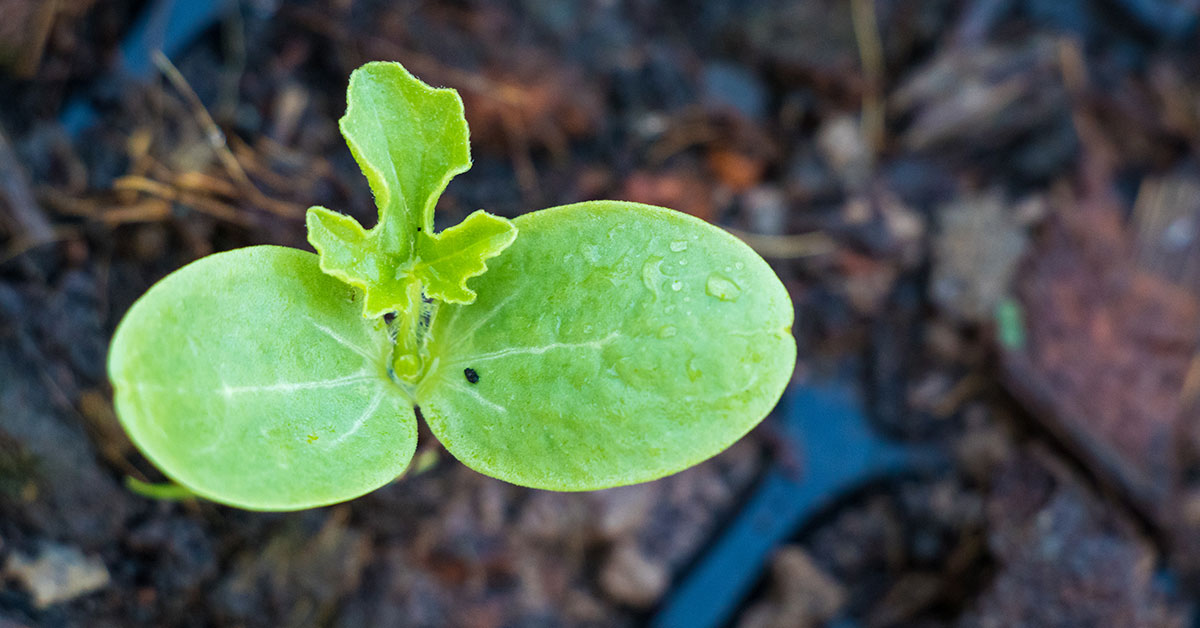

Welcome to the world of watermelon cultivation in Zone 12! If you’re a gardening enthusiast residing in this tropical paradise, you’re in luck because growing watermelon in Zone 12 can be a rewarding and delicious experience. With its warm climate and ample sunshine, Zone 12 provides the perfect conditions for watermelon plants to thrive. However, timing is crucial when it comes to planting watermelon in this zone, as it ensures optimal growth and a bountiful harvest.
In this article, we will delve into the specifics of when to plant watermelon in Zone 12, taking into consideration the local climate, soil conditions, and other essential factors that will help you achieve success in your watermelon-growing endeavors. So, grab your gardening tools and let’s explore the best time to sow those watermelon seeds!
Best varieties of watermelon to grow in Zone 12
In Zone 12, which is a tropical climate, it is best to choose watermelon varieties that are well-suited to warm temperatures and have a shorter growing season. Here are some watermelon varieties that tend to perform well in Zone 12:
- Sugar Baby: This is a popular variety known for its small size and sweet, juicy flesh. It matures relatively quickly, usually within 75-80 days.
- Crimson Sweet: Another widely grown variety, Crimson Sweet produces large, oval-shaped fruits with sweet, crisp flesh. It takes around 80-85 days to mature.
- Jubilee: This variety is known for its large, oblong fruits with deep red, sweet flesh. It typically takes around 85-90 days to reach maturity.
- Charleston Gray: Charleston Gray is a classic watermelon variety that produces large, elongated fruits with sweet, juicy flesh. It usually takes around 85-95 days to mature.
- Yellow Doll: If you’re looking for something a little different, Yellow Doll is a variety that produces small to medium-sized watermelons with yellow flesh. It matures in approximately 70-75 days.
Remember to provide your watermelon plants with full sun exposure, well-draining soil, and regular watering to ensure optimal growth and fruit development.
When to plant watermelon in Zone 12
In Zone 12, which is a tropical climate, the best time to plant watermelon is during the warm season when temperatures consistently stay above 70°F (21°C) both day and night. This typically falls between February and May. Watermelons require warm soil to germinate and thrive, so it’s important to wait until the soil has warmed up before planting.
How to grow
Growing watermelon requires careful planning and attention to detail. Here are the steps and considerations to keep in mind:
- Climate and location: Watermelons thrive in warm climates with temperatures between 70-90°F (21-32°C). Choose a sunny location with well-drained soil.
- Soil preparation: Watermelons prefer loamy, fertile soil with a pH level between 6.0-6.8. Prepare the soil by removing weeds, rocks, and debris. Add organic matter such as compost or well-rotted manure to improve soil fertility and drainage.
- Seed selection: Choose watermelon varieties that are suitable for your climate and growing conditions. There are different types, including seeded and seedless varieties, so select according to your preference.
- Starting seeds indoors (optional): In cooler climates, you can start watermelon seeds indoors 2-3 weeks before the last frost date. Use biodegradable pots or seed trays filled with seed-starting mix. Transplant the seedlings outdoors once all danger of frost has passed.
- Direct sowing: In warmer climates, watermelon seeds can be directly sown into the garden. Plant the seeds 1 inch deep and space them 2-3 feet apart in rows that are 6-8 feet apart.
- Watering: Watermelons require consistent moisture, especially during the fruiting stage. Water deeply, providing 1-2 inches of water per week. Avoid overhead watering to prevent diseases. Use drip irrigation or water at the base of the plants.
- Fertilization: Watermelons are heavy feeders. Apply a balanced fertilizer before planting and side-dress with nitrogen-rich fertilizer once the vines start to run. Follow the instructions on the fertilizer package for application rates.
- Mulching: Apply a layer of organic mulch, such as straw or wood chips, around the plants to conserve moisture, suppress weeds, and regulate soil temperature.
- Trellising (optional): Some watermelon varieties can be trellised to save space and improve airflow. Use trellises or stakes to support the vines and tie them gently as they grow.
- Pest and disease control: Monitor your plants regularly for pests like aphids, cucumber beetles, and squash bugs. Use organic pest control methods such as handpicking, insecticidal soap, or neem oil. Prevent diseases by providing good airflow, avoiding overhead watering, and practicing crop rotation.
- Pollination: Watermelons require pollination for fruit set. Bees and other pollinators are essential for this process. Avoid using pesticides that can harm pollinators.
- Harvesting: Watermelons are ready to harvest when the fruit has a dull skin color, the bottom side turns yellow, and the tendril closest to the fruit turns brown. Gently tap the fruit, and if it sounds hollow, it is likely ripe. Cut the fruit from the vine using a sharp knife or pruning shears.
By following these steps and considering the specific needs of watermelon plants, you can successfully grow delicious and juicy watermelons in your garden.
When to harvest
In Zone 12, watermelons can be harvested when they are fully ripe and have reached their optimal size. The exact timing will depend on the specific variety of watermelon you are growing, as different varieties have different maturation periods. However, as a general guideline, watermelons are typically ready for harvest around 80-90 days after planting.
To determine if a watermelon is ready for harvest, you can look for a few key indicators. Firstly, check the color of the skin. Ripe watermelons usually have a dull or matte appearance, rather than a shiny or glossy skin. Secondly, examine the tendril closest to the fruit. If it has turned brown and dried up, it is a sign that the watermelon is nearing maturity. Lastly, tap the watermelon gently and listen for a hollow sound. A ripe watermelon will produce a deep, hollow sound, while an unripe one will sound dull.
It’s important to note that watermelons will not continue to ripen after they are harvested, so it’s crucial to pick them at the right time. If you harvest too early, the watermelon may lack sweetness and flavor. On the other hand, if you wait too long, the watermelon may become overripe and mushy.
Regularly monitoring your watermelon plants and observing these signs will help you determine the perfect time for harvest in Zone 12.
Common watermelon plant problems and fixes
Common problems when growing watermelon include:
- Poor pollination: Watermelon plants require proper pollination to set fruit. If there is a lack of bees or other pollinators in your area, you may need to hand-pollinate the flowers using a small brush or cotton swab. Gently transfer pollen from the male flowers to the female flowers.
- Blossom end rot: This is a condition where the bottom end of the fruit turns black and rots. It is usually caused by calcium deficiency or inconsistent watering. To prevent blossom end rot, ensure the soil is well-draining and consistently moist. Adding calcium-rich amendments like gypsum or crushed eggshells to the soil can also help.
- Powdery mildew: This fungal disease appears as a white powdery coating on the leaves, stems, and fruit. To prevent powdery mildew, ensure good air circulation around the plants by spacing them adequately. Avoid overhead watering and instead water at the base of the plants. If powdery mildew appears, treat it with a fungicide specifically formulated for powdery mildew.
- Pest infestations: Common pests that affect watermelon plants include aphids, cucumber beetles, and squash bugs. Monitor your plants regularly and use organic pest control methods such as handpicking, insecticidal soaps, or neem oil to control these pests. Row covers can also be used to protect young plants from insect damage.
- Fruit cracking: Cracking can occur when there is a sudden increase in water uptake by the fruit, usually after a period of drought followed by heavy rainfall or overwatering. To prevent fruit cracking, ensure consistent and moderate watering throughout the growing season. Mulching around the plants can also help regulate soil moisture.
- Sunburn: Watermelon fruits can get sunburned if they are exposed to intense sunlight for prolonged periods. To prevent sunburn, provide some shade to the developing fruits using shade cloth or by planting the watermelon vines near taller plants that provide natural shade.
Remember to choose disease-resistant watermelon varieties, practice crop rotation, and maintain good garden hygiene to minimize the occurrence of problems.