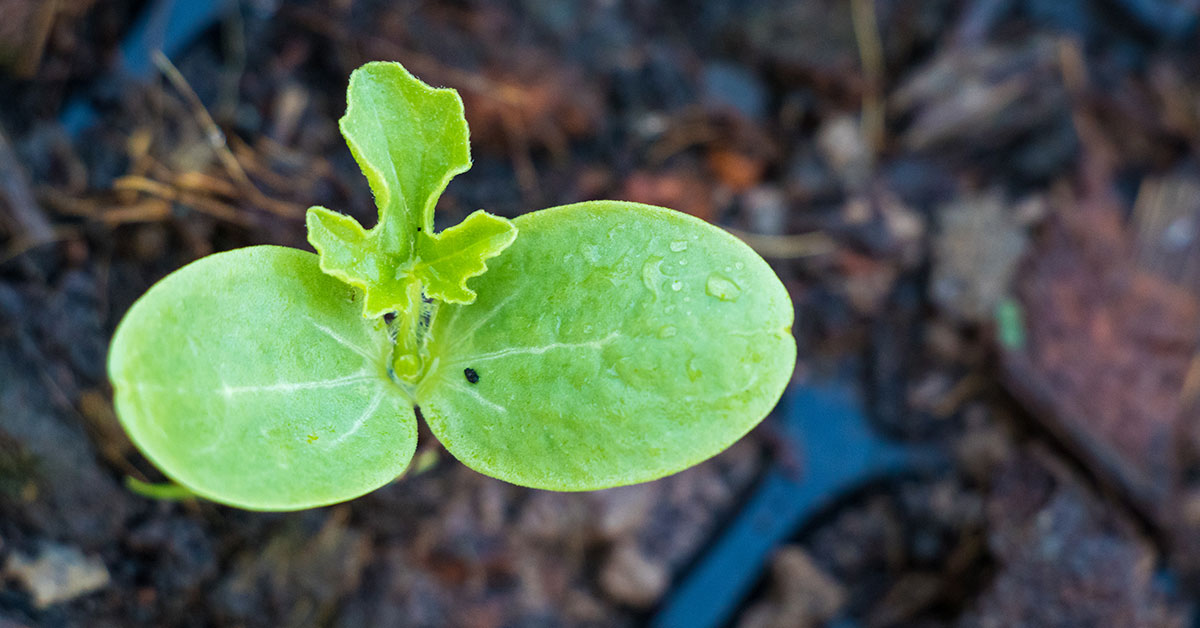

Welcome to the world of watermelon cultivation in the beautiful state of New Hampshire! If you are a gardening enthusiast or simply someone who enjoys the sweet, juicy taste of this summertime favorite, you have come to the right place. Growing watermelon in New Hampshire can be a rewarding experience, but it requires careful planning and consideration of the region’s unique climate and growing conditions.
In this article, we will delve into the optimal time to plant watermelon in New Hampshire, taking into account the frost dates, temperature requirements, and other crucial factors that will help you achieve a successful harvest. So, grab your gardening tools and let’s dive into the world of watermelon cultivation in the Granite State!
Best varieties of watermelon to grow in New Hampshire
In New Hampshire, where the growing season is relatively short, it is important to choose watermelon varieties that have a shorter maturity period and are more tolerant to cooler temperatures. Here are a few watermelon varieties that tend to perform well in New Hampshire:
- Sugar Baby: This is a popular variety that matures in around 75 days. It produces small to medium-sized fruits, weighing around 8-10 pounds. Sugar Baby is known for its sweet, juicy flesh and is relatively cold-tolerant.
- Crimson Sweet: Another widely grown variety, Crimson Sweet takes around 80-85 days to mature. It produces medium to large-sized fruits, weighing around 15-25 pounds. The flesh is deep red and very sweet. Crimson Sweet is known for its disease resistance and adaptability to cooler climates.
- Blacktail Mountain: This variety is specifically bred for cooler climates and has a maturity period of around 70-75 days. The fruits are medium-sized, weighing around 5-10 pounds. Blacktail Mountain has a sweet, crisp flesh and is known for its excellent flavor.
- Moon and Stars: This heirloom variety has a unique appearance with dark green skin and yellow spots resembling stars and moons. It takes around 90-95 days to mature and produces large fruits, weighing 20-30 pounds. Moon and Stars have sweet, juicy flesh and are known for their excellent flavor.
Remember to provide your watermelon plants with full sun exposure, well-draining soil, and consistent watering throughout the growing season. Additionally, using row covers or other protective measures can help extend the growing season and protect the plants from cooler temperatures.
When to plant watermelon in New Hampshire
The best time to plant watermelon in New Hampshire is typically in late spring or early summer, once the soil has warmed up and there is no longer a risk of frost. This is usually around mid to late May. Watermelons require warm soil temperatures of at least 70°F (21°C) for optimal growth. It is important to check the local weather conditions and frost dates to determine the exact timing for planting in your specific area.
How to grow
Growing watermelon requires careful planning and attention to detail. Here are the steps and considerations to keep in mind:
- Climate and Soil: Watermelons thrive in warm climates with a long growing season. They require full sun and well-drained soil with a pH between 6.0 and 6.8. Prepare the soil by adding organic matter such as compost or aged manure to improve fertility and drainage.
- Seed Selection: Choose watermelon varieties that are suitable for your climate and growing conditions. Consider factors like size, flavor, disease resistance, and days to maturity. Some popular varieties include Crimson Sweet, Sugar Baby, and Charleston Gray.
- Starting Seeds: Start watermelon seeds indoors 2-3 weeks before the last frost date in your area. Sow the seeds 1 inch deep in seed-starting trays or biodegradable pots filled with seed-starting mix. Keep the soil consistently moist and maintain a temperature between 75-85°F (24-29°C) for optimal germination.
- Transplanting: Once the danger of frost has passed and the soil temperature reaches at least 70°F (21°C), transplant the seedlings into the garden. Space them 3-4 feet apart in rows that are 6-8 feet apart. Watermelons need plenty of space to spread out.
- Watering: Watermelons require regular and consistent watering throughout the growing season. Keep the soil evenly moist, especially during hot and dry periods. Avoid overwatering, as it can lead to root rot. Drip irrigation or soaker hoses are ideal for delivering water directly to the roots.
- Fertilizing: Watermelons are heavy feeders and benefit from regular fertilization. Apply a balanced fertilizer, such as a 10-10-10 or 14-14-14, before planting and again when the vines start to develop. Follow the package instructions for application rates.
- Mulching: Apply a layer of organic mulch, such as straw or wood chips, around the plants to conserve moisture, suppress weeds, and regulate soil temperature. Mulching also helps prevent direct contact between the fruit and the soil, reducing the risk of rot.
- Pollination: Watermelon plants require pollination to produce fruit. Bees and other pollinators are essential for this process. To attract pollinators, avoid using pesticides that can harm them. You can also hand-pollinate by transferring pollen from the male flowers to the female flowers using a small brush or cotton swab.
- Pruning and Training: Watermelon vines can become quite long and sprawling. Consider training them to grow vertically on trellises or supports to save space and improve air circulation. Pruning is not necessary but can be done to remove excess foliage and redirect energy towards fruit production.
- Pest and Disease Control: Monitor your watermelon plants regularly for pests like aphids, cucumber beetles, and squash bugs. Use organic pest control methods such as handpicking, insecticidal soaps, or neem oil if necessary. Prevent diseases like powdery mildew and fusarium wilt by practicing crop rotation, providing good air circulation, and avoiding overhead watering.
- Harvesting: Watermelons are ready for harvest when the fruit has reached full size, the skin color has darkened, and the underside turns from white to yellow. The tendril closest to the fruit should also be dry and brown. Cut the fruit from the vine using a sharp knife or shears, leaving a short stem attached.
By following these steps and considerations, you can successfully grow delicious watermelons in your garden. Happy gardening!
When to harvest
Watermelons are warm-season crops that require a long growing season to reach maturity. In New Hampshire, where the climate is cooler, it is important to choose watermelon varieties with a shorter maturity period to ensure a successful harvest.
Typically, watermelons are ready for harvest around 80-90 days after planting. However, this can vary depending on the specific variety you are growing. It is essential to check the seed packet or consult the information provided by the seed supplier for the specific maturity period of the variety you are cultivating.
In New Hampshire, the average last frost date is around mid-May to early June. It is recommended to start watermelon seeds indoors 2-3 weeks before the last frost date or directly sow them outdoors after the danger of frost has passed.
To determine if a watermelon is ready for harvest, there are a few indicators to look for:
- Size: The watermelon should reach its expected size according to the variety you are growing. It should feel heavy for its size.
- Color: The skin color of the watermelon should change from bright green to a duller shade. The underside that touches the ground may also turn yellow or creamy white.
- Sound: When you tap the watermelon, it should produce a deep, hollow sound. If it sounds dull or thud-like, it may not be fully ripe.
- Tendril: Check the tendril nearest to the fruit. If it has turned brown and dried up, it is a good indication that the watermelon is ready for harvest.
Remember to handle the watermelons with care during harvest to avoid any damage. Enjoy the fruits of your labor!
Common watermelon plant problems and fixes
Common problems when growing watermelon include:
- Poor pollination: Watermelon plants require proper pollination to produce fruits. If you notice a lack of fruit set or misshapen fruits, it may be due to poor pollination. To fix this, you can hand-pollinate the flowers using a small brush or by transferring pollen from the male flowers to the female flowers.
- Blossom end rot: This condition is characterized by a dark, sunken area at the blossom end of the fruit. It is caused by a calcium deficiency or irregular watering. To prevent blossom end rot, ensure consistent watering, and add calcium-rich amendments to the soil before planting.
- Pest infestations: Common pests that attack watermelon plants include aphids, cucumber beetles, and squash bugs. Regularly inspect your plants for signs of infestation, such as yellowing leaves or chewed foliage. Use organic pest control methods like insecticidal soap or neem oil to manage the pests.
- Powdery mildew: This fungal disease appears as a white powdery coating on the leaves, stems, and fruits of watermelon plants. To prevent powdery mildew, provide adequate spacing between plants for good air circulation, avoid overhead watering, and apply fungicides as a preventive measure.
- Fusarium wilt: This soil-borne disease causes wilting, yellowing, and eventual death of the plant. To prevent fusarium wilt, choose resistant varieties, rotate crops annually, and avoid overwatering.
- Overwatering or underwatering: Watermelon plants require consistent moisture, but overwatering or underwatering can lead to problems. Overwatering can cause root rot, while underwatering can result in stunted growth and poor fruit development. Water deeply and regularly, ensuring the soil is moist but not waterlogged.
- Poor fruit development: If your watermelon plants are not producing large, healthy fruits, it may be due to inadequate sunlight, nutrient deficiencies, or improper pollination. Ensure your plants receive at least 6-8 hours of direct sunlight, provide regular fertilization with a balanced fertilizer, and address any pollination issues.
Remember, prevention is key in maintaining healthy watermelon plants. Regularly monitor your plants for signs of problems, practice good cultural practices, and provide optimal growing conditions to ensure a successful harvest.