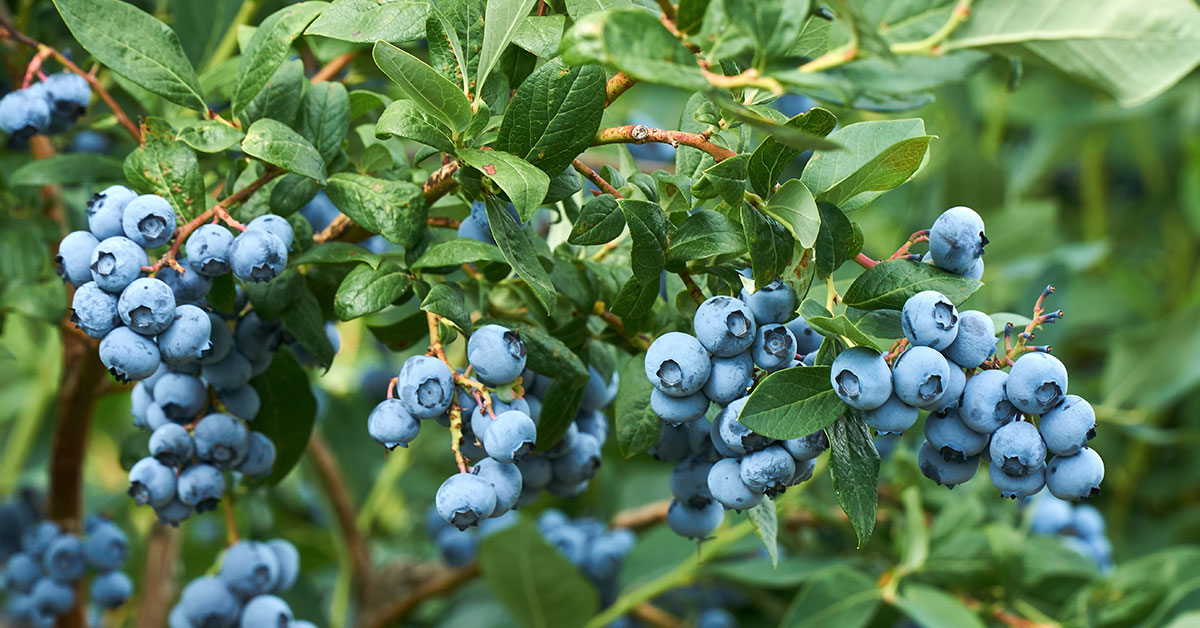

Planting blueberries in Texas with their vibrant hues and delectable taste, are a beloved addition to any garden. While they are commonly associated with cooler climates, it is indeed possible to grow these delicious berries in the Lone Star State. However, due to Texas’ diverse climate, it is crucial to understand the optimal time for planting blueberries to ensure their successful growth and bountiful harvest.
In this article, we will delve into the intricacies of blueberry cultivation in Texas, exploring the ideal planting season, suitable varieties for the region, and essential tips to maximize your blueberry harvest. Whether you are an experienced gardener or a novice looking to embark on a blueberry-growing adventure, this comprehensive guide will equip you with the knowledge needed to cultivate thriving blueberry plants in the Texan landscape.
Best blueberries to grow in Texas
Blueberries are not native to Texas and can be challenging to grow in the state due to its hot climate and alkaline soil. However, there are a few blueberry varieties that have been found to perform relatively well in Texas:
- Rabbiteye Blueberries (Vaccinium ashei): Rabbiteye blueberries are the most heat-tolerant blueberry variety and are well-suited for Texas. They require a certain number of chill hours during winter to produce fruit, so it’s important to choose a variety that matches your specific location in Texas. Recommended Rabbiteye varieties for Texas include:
- ‘Climax’
- ‘Premier’
- ‘Tifblue’
- ‘Brightwell’
- Southern Highbush Blueberries (Vaccinium corymbosum hybrids): Southern highbush blueberries are a hybrid of the native highbush blueberries and the southern rabbiteye blueberries. They are more adapted to warmer climates than the traditional highbush varieties. Recommended Southern Highbush varieties for Texas include:
- ‘Misty’
- ‘O’Neal’
- ‘Sharpblue’
When growing blueberries in Texas, it’s important to provide them with the right growing conditions. Blueberries prefer acidic soil with a pH between 4.5 and 5.5. If your soil is alkaline, you may need to amend it with sulfur or peat moss to lower the pH. Blueberries also require well-draining soil, consistent moisture, and partial shade to protect them from the intense Texas sun. It’s worth noting that even with the right variety and conditions, blueberry cultivation in Texas can still be challenging. It’s recommended to consult with local experts or extension services for specific advice tailored to your area.
When to plant blueberries in Texas
In Texas, the best time to plant blueberries varies depending on the specific hardiness zone. Texas is divided into several hardiness zones, including zones 6 through 9. Here’s a breakdown of the best planting times for blueberries in each zone:
- Zone 6: The best time to plant blueberries in Zone 6, which covers the northernmost parts of Texas, is in late winter or early spring, typically from February to March. This allows the plants to establish their root systems before the hot summer months.
- Zone 7: In Zone 7, which includes central parts of Texas, the best time to plant blueberries is also in late winter or early spring, around February to March. This timing ensures that the plants have enough time to establish themselves before the summer heat.
- Zone 8: For Zone 8, which covers the southern parts of Texas, including the Gulf Coast region, the best time to plant blueberries is in late winter or early spring, from February to March. This timing allows the plants to establish before the hot and humid summer months.
- Zone 9: In Zone 9, which includes the southernmost parts of Texas, such as the Rio Grande Valley, the best time to plant blueberries is in late winter or early spring, around February to March. This timing allows the plants to establish their root systems before the intense summer heat.
It’s important to note that these are general guidelines, and specific microclimates within each zone may have slightly different optimal planting times. Additionally, it’s crucial to select blueberry varieties that are well-suited to the specific hardiness zone and climate conditions in your area.
How to grow
Growing blueberries requires careful planning and attention to specific requirements. Here are the steps and considerations for successfully growing blueberries:
- Variety Selection: Choose a blueberry variety that is well-suited to your climate and soil conditions. Different varieties have different requirements, so research and select the best variety for your region.
- Site Selection: Blueberries prefer full sun exposure, so choose a location in your garden that receives at least 6-8 hours of direct sunlight per day. Ensure the soil is well-draining, acidic (pH 4.5-5.5), and rich in organic matter.
- Soil Preparation: Blueberries thrive in acidic soil, so it’s crucial to test your soil’s pH level. If the pH is too high, you may need to amend the soil with sulfur or other acidifying agents to lower it. Additionally, incorporate organic matter like compost or peat moss to improve soil structure and fertility.
- Planting: Blueberries are typically planted in the early spring or fall. Dig a hole twice as wide and deep as the root ball of the plant. Place the blueberry bush in the hole, ensuring the crown is level with or slightly above the soil surface. Backfill the hole with soil, gently firming it around the roots. Space the plants 4-6 feet apart to allow for future growth.
- Watering: Blueberries require consistent moisture, especially during the growing season. Water deeply and regularly, ensuring the soil remains evenly moist but not waterlogged. Mulching around the plants with organic matter like wood chips or pine needles helps retain moisture and suppress weeds.
- Fertilizing: Blueberries have specific nutrient requirements. Apply a balanced, slow-release fertilizer formulated for acid-loving plants in early spring. Follow the manufacturer’s instructions for application rates. Avoid over-fertilizing, as it can damage the plants.
- Pruning: Pruning blueberries is essential for maintaining plant health, productivity, and shape. Remove any dead, damaged, or diseased branches. Additionally, thin out crowded branches to improve air circulation and light penetration. Pruning is usually done in late winter or early spring before new growth begins.
- Pest and Disease Management: Blueberries can be susceptible to pests like aphids, mites, and fruit flies, as well as diseases like powdery mildew and root rot. Regularly inspect your plants for signs of pests or diseases, and take appropriate measures to control them. This may include using organic insecticides or fungicides, practicing good sanitation, and maintaining proper plant spacing.
- Harvesting: Blueberries are ready for harvest when they are fully ripe and have a deep blue color. Gently pick the berries, being careful not to damage the plant or surrounding fruit. Harvesting usually occurs in the summer months, depending on the variety and your location.
By following these steps and considerations, you can successfully grow blueberries and enjoy a bountiful harvest of delicious, nutritious berries.
When to harvest
In Texas, blueberries are typically ready to be picked from late May to early July. The exact timing can vary depending on the specific variety of blueberry and the local climate conditions. It is important to monitor the berries closely for ripeness. Ripe blueberries will have a deep blue color, feel plump, and easily detach from the plant with a gentle tug.
Common blueberry problems and fixes
Common problems when growing blueberries include:
- Soil pH: Blueberries require acidic soil with a pH between 4.5 and 5.5. If the soil is too alkaline, the plants may suffer from nutrient deficiencies. To fix this, you can amend the soil with elemental sulfur or use acidifying fertilizers.
- Lack of pollination: Blueberries are self-fertile, but having multiple varieties can increase fruit set. If you notice poor pollination, you can introduce pollinator-friendly plants nearby or hand-pollinate the flowers using a soft brush.
- Insufficient watering: Blueberries have shallow roots and require consistent moisture. If the plants are not receiving enough water, they may develop wilted leaves, reduced fruit production, or even die. To fix this, ensure that the plants receive 1-2 inches of water per week, especially during dry periods.
- Nutrient deficiencies: Blueberries are sensitive to nutrient imbalances, particularly iron and manganese deficiencies. Symptoms include yellowing leaves with green veins. To fix this, you can apply chelated iron or manganese sulfate according to the instructions on the product label.
- Pest infestations: Common pests that affect blueberries include aphids, blueberry maggots, and mites. Regularly inspect your plants for signs of infestation, such as distorted leaves, sticky residue, or damaged fruit. Use organic insecticides or insecticidal soaps to control pests, and consider introducing beneficial insects like ladybugs or lacewings.
- Disease issues: Blueberries can be susceptible to diseases like powdery mildew, mummy berry, and root rot. To prevent these diseases, ensure proper air circulation around the plants, avoid overhead watering, and remove any infected plant material. Fungicides may be necessary for severe cases, so consult with a local extension office for specific recommendations.
Remember, proper site selection, choosing suitable blueberry varieties for your region, and regular maintenance practices like pruning and mulching can also help prevent many problems when growing blueberries.