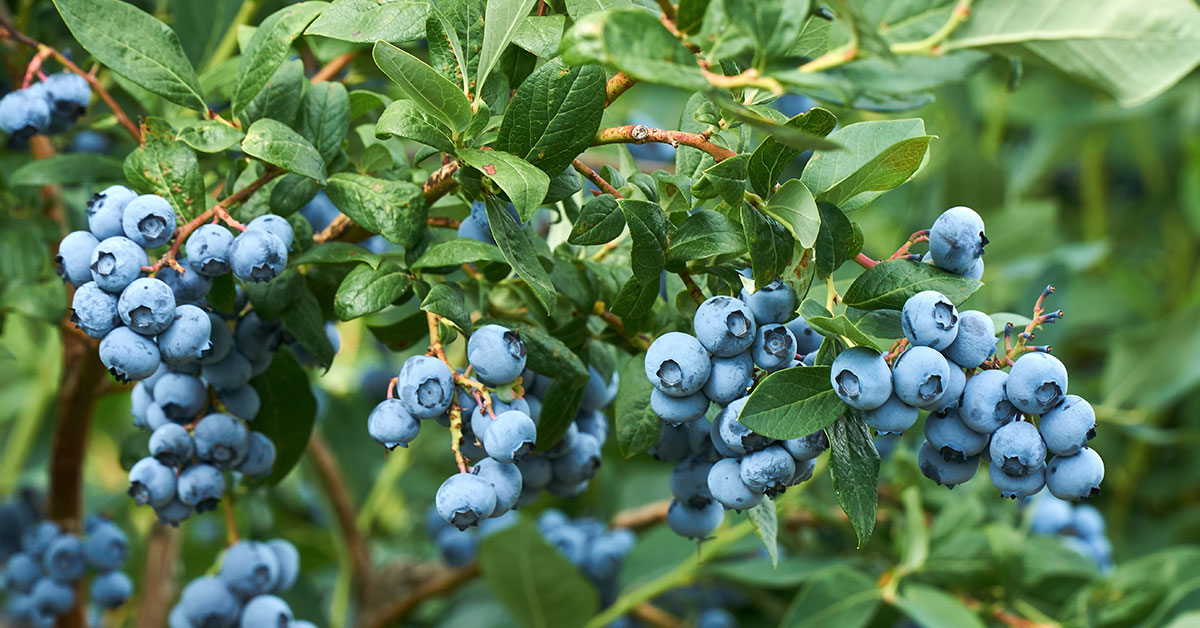

When it comes to growing blueberries in Tennessee, timing is everything. The state’s unique climate and soil conditions create an ideal environment for cultivating these delicious and nutritious berries. Whether you’re a seasoned gardener or a beginner looking to embark on a blueberry-growing adventure, understanding when to plant blueberries is crucial for a successful harvest.
In this article, we will delve into the optimal planting times for blueberries in Tennessee, taking into account the region’s weather patterns, soil requirements, and the specific varieties that thrive in this area. By following these guidelines, you can ensure that your blueberry plants get off to a strong start and yield bountiful, juicy berries for years to come.
Best blueberries to grow in Tennessee
In Tennessee, the best blueberry varieties to grow are generally the Southern Highbush blueberries (Vaccinium corymbosum). These varieties are well-suited to the climate and soil conditions found in Tennessee. Some popular Southern Highbush blueberry cultivars that perform well in Tennessee include:
- ‘Climax’: This variety is known for its high yield and excellent flavor. It is also relatively disease-resistant.
- ‘Premier’: Premier is an early-season variety that produces large, sweet berries. It is a vigorous grower and has good disease resistance.
- ‘Legacy’: Legacy is a mid-season variety that produces large, flavorful berries. It is known for its excellent disease resistance and adaptability to different soil types.
- ‘O’Neal’: O’Neal is a late-season variety that produces large, sweet berries. It is a self-pollinating variety, making it a good choice for smaller gardens.
It is important to note that blueberries require acidic soil with a pH between 4.5 and 5.5. If your soil is not naturally acidic, you may need to amend it with sulfur or other acidifying agents. Additionally, blueberries prefer full sun and well-drained soil. Proper watering and mulching are also important for their successful growth.
When to plant blueberries in Tennessee
In Tennessee, the best time to plant blueberries varies slightly depending on the specific hardiness zone. Tennessee is divided into three main hardiness zones: Zone 6a, Zone 6b, and Zone 7a. Here are the recommended planting times for blueberries in each zone:
- Zone 6a: The best time to plant blueberries in Zone 6a is in early spring, around March or April. This allows the plants to establish their root systems before the hot summer months. It’s important to avoid planting too early when the ground is still frozen or too late when the temperatures rise significantly.
- Zone 6b: In Zone 6b, the ideal time to plant blueberries is similar to Zone 6a, which is in early spring, around March or April. The goal is to give the plants enough time to establish themselves before the heat of summer arrives.
- Zone 7a: In Zone 7a, the best time to plant blueberries is slightly different. Since the climate is milder, you have a wider planting window. Blueberries can be planted in early spring, around March or April, like in the other zones. However, you can also consider planting in late fall, around October or November, as long as the ground is not frozen yet. This gives the plants a head start before the following spring.
Regardless of the specific zone, it’s crucial to choose healthy, disease-free blueberry plants from a reputable nursery. Proper soil preparation, including testing and amending the soil with organic matter, is also essential for successful blueberry cultivation. Additionally, providing adequate irrigation, mulching, and regular fertilization will help ensure healthy growth and abundant fruit production.
How to grow
Growing blueberries requires careful planning and attention to detail. Here are the steps and considerations to keep in mind:
- Choose the right variety: Blueberries come in different varieties, each with specific requirements. Consider factors such as climate, soil type, and desired fruit characteristics when selecting a variety.
- Select a suitable location: Blueberries thrive in acidic soil with a pH level between 4.5 and 5.5. Ensure the chosen location receives full sun for at least six hours a day. Adequate air circulation is also important to prevent diseases.
- Prepare the soil: Blueberries prefer well-drained soil rich in organic matter. Amend the soil with compost or peat moss to improve drainage and increase acidity. Avoid using lime or other alkaline amendments.
- Planting: Dig a hole twice as wide and deep as the root ball of the blueberry plant. Place the plant in the hole, ensuring the crown is level with the soil surface. Backfill the hole with amended soil, gently firming it around the roots. Water thoroughly after planting.
- Mulching: Apply a layer of organic mulch, such as pine needles or wood chips, around the base of the blueberry plant. Mulch helps retain moisture, suppresses weeds, and maintains soil acidity.
- Watering: Blueberries require consistent moisture, especially during the growing season. Water deeply and regularly, aiming for 1-2 inches per week. Avoid overwatering, as blueberries are susceptible to root rot.
- Fertilizing: Blueberries have specific nutrient requirements. Apply a balanced, slow-release fertilizer formulated for acid-loving plants in early spring. Avoid using high-nitrogen fertilizers, as they can promote excessive vegetative growth.
- Pruning: Pruning blueberries is essential for maintaining plant health and productivity. Remove dead, damaged, or diseased branches during the dormant season. Thin out crowded branches to improve airflow and light penetration.
- Pest and disease management: Blueberries are susceptible to various pests and diseases, including birds, aphids, mites, and fungal infections. Monitor plants regularly, and take appropriate measures such as using netting to protect against birds and applying organic insecticides or fungicides when necessary.
- Harvesting: Blueberries are ready for harvest when they turn fully blue and easily detach from the plant. Pick berries gently to avoid damaging the plant. Harvesting times vary depending on the variety and climate.
Remember, growing blueberries can be a long-term commitment, as they may take a few years to reach full production. Patience and consistent care will yield delicious and nutritious berries for years to come.
When to harvest
In Tennessee, the blueberry harvest typically begins in late May and continues through July, depending on the specific variety and weather conditions. It’s important to note that the exact timing can vary slightly each year. To determine the optimal time for picking blueberries in your area, it’s best to monitor the fruit’s color and taste. Ripe blueberries are typically deep blue with a slightly sweet flavor.
Common blueberry problems and fixes
Common problems when growing blueberries include:
- Soil pH: Blueberries prefer acidic soil with a pH between 4.5 and 5.5. If the soil pH is too high, blueberries may suffer from nutrient deficiencies and struggle to absorb essential nutrients. To fix this, regularly test the soil pH and amend it with elemental sulfur or acidic fertilizers to lower the pH.
- Nutrient deficiencies: Blueberries require specific nutrients, such as iron, magnesium, and manganese, to thrive. Deficiencies in these nutrients can lead to yellowing leaves, stunted growth, and poor fruit production. Applying a balanced fertilizer formulated for acid-loving plants can help prevent or correct nutrient deficiencies.
- Improper watering: Blueberries have shallow roots and require consistent moisture. Overwatering can lead to root rot, while underwatering can cause stress and reduced fruit production. To ensure proper watering, provide a well-draining soil and water deeply but infrequently, allowing the soil to dry slightly between waterings.
- Pest infestations: Blueberries can be susceptible to pests such as aphids, spider mites, and fruit flies. Regularly inspect your plants for signs of pests, such as distorted leaves or damaged fruit. Use organic insecticides or beneficial insects like ladybugs to control pest populations.
- Disease susceptibility: Blueberries can be prone to diseases like powdery mildew, botrytis fruit rot, and root rot. To prevent these diseases, ensure proper air circulation around the plants, avoid overhead watering, and remove any infected plant material. Applying fungicides labeled for blueberries can also help control fungal diseases.
- Bird damage: Birds are attracted to blueberries and can quickly decimate a crop. Use bird netting or scare devices like reflective tape or fake predators to protect your berries from bird damage.
Remember, different blueberry varieties may have specific requirements, so it’s essential to choose varieties suitable for your climate and follow their specific care instructions.