
Welcome to the world of Tiger Tooth Aloe, a fascinating and visually striking succulent that is sure to captivate any indoor gardening enthusiast. With its unique tooth-like leaves and vibrant green coloration, this plant is not only a stunning addition to any home or office space but also a relatively low-maintenance option for those looking to cultivate their green thumb.
In this comprehensive guide, we will delve into the specifics of growing Tiger Tooth Aloe, including its preferred growing conditions, watering and fertilizing requirements, propagation techniques, and common issues to watch out for.
Whether you are a seasoned plant lover or a beginner in the world of indoor gardening, this article will equip you with all the knowledge you need to successfully nurture and care for your Tiger Tooth Aloe, ensuring its health and beauty for years to come.
What is a Tiger Tooth Aloe?
Tiger Tooth Aloe, scientifically known as Aloe juvenna, is a unique and visually striking succulent plant that belongs to the Aloe genus. It is native to Kenya and Tanzania in East Africa. This plant is commonly grown as a houseplant due to its attractive appearance and relatively easy care requirements.
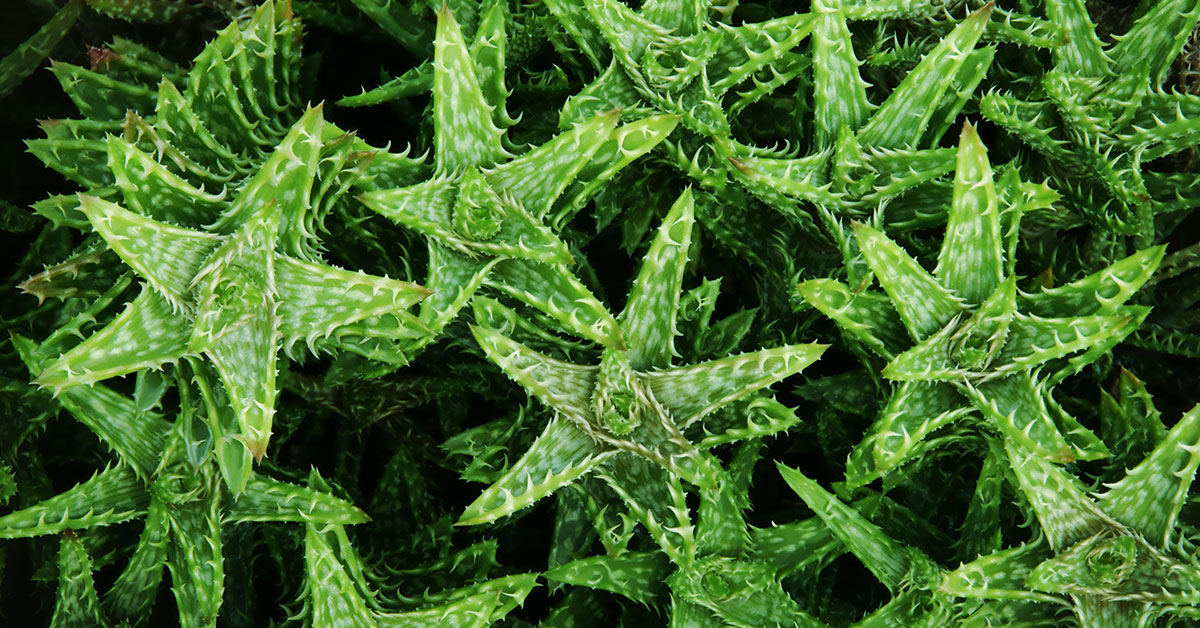
The Tiger Tooth Aloe gets its name from the distinctive tooth-like spikes that line the edges of its leaves, resembling the teeth of a tiger. The leaves are triangular in shape and grow in a rosette formation. They are typically green in color, with white spots or stripes that run along the length of the leaves. The white markings give the plant a striking contrast and make it stand out among other succulents. The leaves of the Tiger Tooth Aloe are fleshy and have a slightly rough texture.
They can grow up to 6 inches (15 cm) long and are arranged in a dense cluster, forming a compact and visually appealing plant. The spikes along the leaf margins are reddish-brown in color and add to the plant’s ornamental value. When grown in optimal conditions, Tiger Tooth Aloe may produce small, tubular, orange-red flowers on tall stalks that emerge from the center of the rosette. However, it is primarily cultivated for its foliage rather than its blooms.
Tiger Tooth Aloe is a relatively small succulent, typically reaching a height of around 6-8 inches (15-20 cm) and a spread of 6-10 inches (15-25 cm). It is well-suited for small pots or containers, making it an excellent choice for indoor gardening or as part of a succulent arrangement. In terms of care, Tiger Tooth Aloe prefers bright, indirect light and well-draining soil. It is drought-tolerant and should be watered sparingly, allowing the soil to dry out between waterings.
This plant thrives in warm temperatures and is not frost-tolerant, so it is best suited for indoor cultivation in colder climates or as an outdoor plant in mild, Mediterranean-like climates. Overall, the Tiger Tooth Aloe is a visually captivating succulent with its tooth-like spikes and contrasting white markings. Its compact size and relatively low maintenance requirements make it a popular choice for plant enthusiasts looking to add a touch of uniqueness to their indoor or outdoor spaces.
Where is Tiger Tooth Aloe native?
Tiger Tooth Aloe (Aloe juvenna) is native to Kenya, specifically the East African region. It is not considered invasive in its native habitat. However, when grown in other parts of the world, it has the potential to become invasive if it escapes cultivation and establishes itself in natural ecosystems where it can outcompete native plants. Therefore, it is important to be cautious when growing Tiger Tooth Aloe outside of its native range and to prevent its spread into natural areas.
How to grow Tiger Tooth Aloe indoors
Tiger Tooth Aloe (Aloe juvenna) is a unique and visually appealing succulent that can be grown indoors as a houseplant. Here is a care guide to help you successfully grow Tiger Tooth Aloe:
- Light: Tiger Tooth Aloe thrives in bright, indirect light. Place your plant near a sunny window where it can receive at least 4-6 hours of bright, indirect sunlight each day. Avoid placing it in direct sunlight as it can scorch the leaves.
- Temperature: This plant prefers average to warm temperatures between 65-80°F (18-27°C). Protect it from cold drafts and keep it away from air conditioning vents during the winter months.
- Watering: Tiger Tooth Aloe is a succulent and, like most succulents, it has low water requirements. Allow the soil to dry out completely between waterings. Stick your finger about an inch into the soil, and if it feels dry, it’s time to water. Be cautious not to overwater, as this can lead to root rot. During winter, reduce watering frequency as the plant goes into a dormant period.
- Soil: Use a well-draining soil mix specifically formulated for succulents or cacti. You can also create your own by combining regular potting soil with perlite or coarse sand to improve drainage. This will prevent waterlogged soil and help prevent root rot.
- Fertilizer: Tiger Tooth Aloe doesn’t require frequent fertilization. Feed it with a balanced, water-soluble fertilizer diluted to half the recommended strength during the growing season (spring and summer) once a month. Avoid fertilizing during the winter months when the plant is dormant.
- Humidity: This plant is adapted to low humidity environments, so it doesn’t require extra humidity. However, if you live in an extremely dry climate, you can occasionally mist the leaves with water to provide a slight increase in humidity.
- Pruning: Tiger Tooth Aloe doesn’t typically require pruning. However, if you notice any damaged or dead leaves, you can trim them off using clean, sharp scissors or pruning shears. This will help maintain the plant’s appearance and prevent any potential disease or pest issues.
- Propagation: Tiger Tooth Aloe can be propagated through offsets, which are small plantlets that grow around the base of the mother plant. Gently remove the offsets and plant them in a separate pot with well-draining soil. Allow the cut ends to dry for a day or two before planting to prevent rotting. Water sparingly until the new plants establish roots.
Remember, succulents like Tiger Tooth Aloe are adapted to survive in arid conditions, so it’s better to underwater than overwater. With proper care and attention, your Tiger Tooth Aloe will thrive and add a touch of unique beauty to your indoor space.
How to grow Tiger Tooth Aloe outdoors
Tiger Tooth Aloe (Aloe juvenna) is a unique and attractive succulent that can be grown outdoors in suitable climates. Here is a care guide to help you successfully grow Tiger Tooth Aloe outdoors:
- Climate: Tiger Tooth Aloe thrives in warm and dry climates. It is best suited for USDA hardiness zones 9-11. It cannot tolerate frost or extremely cold temperatures, so ensure your region has mild winters.
- Sunlight: Provide your Tiger Tooth Aloe with bright, indirect sunlight. It can tolerate some direct sunlight, especially in the morning or late afternoon, but too much intense sunlight can scorch its leaves. Partial shade during the hottest part of the day is ideal.
- Soil: Use well-draining soil for your Tiger Tooth Aloe. A sandy or gritty soil mix specifically formulated for succulents is recommended. Good drainage is crucial to prevent root rot.
- Watering: Tiger Tooth Aloe is a drought-tolerant plant, so it is important not to overwater it. Allow the soil to dry out completely between waterings. During the growing season (spring and summer), water sparingly, only when the top inch of soil is dry. In winter, reduce watering frequency as the plant goes into dormancy.
- Fertilizer: Tiger Tooth Aloe does not require frequent fertilization. Use a balanced, water-soluble fertilizer diluted to half strength during the growing season. Apply it once every two to three months. Avoid fertilizing during winter.
- Pruning: Pruning is not usually necessary for Tiger Tooth Aloe. However, if you notice any dead or damaged leaves, you can remove them with clean, sharp scissors or pruning shears. This will help maintain the plant’s appearance and health.
- Propagation: Tiger Tooth Aloe can be propagated through offsets or pups that grow around the base of the mother plant. Gently separate the offsets from the main plant and allow them to dry for a day or two. Then, plant them in a well-draining succulent mix and water sparingly until they establish roots.
- Pests and Diseases: Tiger Tooth Aloe is generally resistant to pests and diseases. However, it can occasionally be affected by common succulent pests like mealybugs or scale insects. Regularly inspect your plant for any signs of infestation and treat them with organic insecticidal soap or neem oil if necessary.
Remember, outdoor conditions may vary, so it is essential to monitor your Tiger Tooth Aloe’s specific needs and adjust care accordingly. With proper attention, your Tiger Tooth Aloe will reward you with its unique tooth-shaped leaves and occasional orange-red flowers.
How to grow Tiger Tooth Aloe in pots
Tiger Tooth Aloe (Aloe juvenna) is a unique and attractive succulent that can be grown indoors in pots. Here is a care guide to help you successfully grow Tiger Tooth Aloe:
- Light: Tiger Tooth Aloe thrives in bright, indirect light. Place your plant near a window that receives several hours of sunlight each day. Avoid placing it in direct sunlight, as it can scorch the leaves.
- Temperature: This plant prefers warm temperatures between 60-80°F (15-27°C). Protect it from cold drafts and extreme temperature fluctuations.
- Watering: Tiger Tooth Aloe is a drought-tolerant plant, so it is important not to overwater it. Allow the soil to dry out completely between waterings. During the growing season (spring and summer), water the plant thoroughly and then let the soil dry out before watering again. In winter, reduce watering frequency as the plant goes into a dormant period.
- Soil: Use a well-draining cactus or succulent potting mix. You can also create your own mix by combining regular potting soil with perlite or coarse sand to improve drainage.
- Potting: Choose a pot with drainage holes to prevent waterlogging. Aloe juvenna has shallow roots, so a wide and shallow pot is ideal. Repot the plant every 2-3 years or when it outgrows its current container.
- Fertilizer: Tiger Tooth Aloe doesn’t require frequent fertilization. Feed it with a balanced, water-soluble fertilizer diluted to half strength during the growing season, once every 2-3 months.
- Pruning: Remove any dead or damaged leaves by gently pulling them off at the base. This will help maintain the plant’s appearance and prevent any potential diseases.
- Propagation: Tiger Tooth Aloe can be propagated through offsets, which are small plantlets that grow around the base of the parent plant. Carefully remove these offsets and plant them in their own pots with well-draining soil. Allow the cut ends to dry for a day or two before planting to prevent rotting.
- Pests and Diseases: This plant is generally resistant to pests and diseases. However, overwatering can lead to root rot, so it is crucial to avoid excessive moisture. Keep an eye out for common succulent pests like mealybugs or spider mites. If detected, treat the affected areas with an organic insecticidal soap or neem oil.
- Dormancy: Tiger Tooth Aloe may enter a period of dormancy during winter, where it grows slower or stops growing altogether. During this time, reduce watering and avoid fertilizing until the plant resumes active growth in spring.
By following these care guidelines, you can enjoy the unique beauty of Tiger Tooth Aloe in your indoor space. Remember to observe your plant closely and adjust care as needed based on its specific requirements.
When does Tiger Tooth Aloe bloom?
Tiger Tooth Aloe (Aloe juvenna) typically blooms during the late spring or early summer months. The exact timing may vary depending on the specific growing conditions and the maturity of the plant. However, it is important to note that not all Aloe juvenna plants will bloom, as flowering can be influenced by factors such as age, light exposure, and overall plant health.
Propagation guide for Tiger Tooth Aloe
To propagate Tiger Tooth Aloe (Aloe juvenna), you can follow these steps:
- Choose a healthy and mature plant: Select a mature Tiger Tooth Aloe plant that is at least a few years old. This ensures that the plant has developed enough offsets or “pups” that can be separated for propagation.
- Prepare the tools and materials: You will need a clean and sharp knife or gardening shears, a clean container with well-draining soil, and a rooting hormone (optional).
- Remove offsets: Gently remove the offsets or pups from the base of the mother plant. These are the smaller rosettes that have grown alongside the main plant. Make sure to do this carefully to avoid damaging the roots.
- Allow offsets to callus: After separating the offsets, let them sit in a dry and shaded area for a few days. This allows the cut ends to callus over, which helps prevent rotting when planted.
- Plant the offsets: Once the cut ends have callused, plant each offset in a small container filled with well-draining soil. Ensure that the container has drainage holes to prevent waterlogging. You can also dip the cut ends in a rooting hormone before planting to encourage faster root development.
- Provide proper care: Place the newly potted offsets in a bright location with indirect sunlight. Avoid direct sunlight as it can scorch the delicate leaves. Water the soil lightly, allowing it to dry out between waterings to prevent overwatering and root rot.
- Monitor and maintain: Keep an eye on the new plants and make sure the soil remains slightly moist but not soggy. As the offsets establish roots, you can gradually increase the amount of water provided. After a few weeks, you should start to see new growth indicating successful propagation.
Remember, Tiger Tooth Aloe prefers well-draining soil and moderate watering. With proper care, the propagated offsets should grow into healthy plants over time.
Common pests and diseases
Tiger Tooth Aloe (Aloe juvenna) is generally a hardy plant, but it can still be susceptible to certain pests and diseases. Here are some common issues you may encounter with Tiger Tooth Aloe:
- Mealybugs: These small, white, cotton-like insects can infest the leaves and stems of the plant. They suck sap from the plant, causing yellowing and wilting. Use a cotton swab dipped in rubbing alcohol to remove them, or use insecticidal soap.
- Spider mites: These tiny pests are common in dry indoor environments. They cause yellowing, stippling, and webbing on the leaves. Regularly misting the plant and keeping humidity levels up can help prevent spider mite infestations. If an infestation occurs, use insecticidal soap or neem oil.
- Root rot: Overwatering or poorly draining soil can lead to root rot, which causes the roots to become mushy and black. To prevent root rot, ensure the plant is potted in well-draining soil and water it only when the top inch of soil is dry. If root rot occurs, remove the affected parts and repot the plant in fresh soil.
- Leaf spots: Fungal or bacterial leaf spots can occur due to overwatering, high humidity, or poor air circulation. These spots appear as brown or black lesions on the leaves. To prevent leaf spots, avoid overhead watering and ensure good air circulation around the plant. Remove affected leaves and avoid getting water on the foliage.
- Aphids: These small, soft-bodied insects can cluster on the new growth of the plant, sucking sap and causing distorted growth. Use a strong stream of water or insecticidal soap to remove them. Ladybugs and lacewings are natural predators that can help control aphid populations.
Regularly inspecting your Tiger Tooth Aloe for signs of pests or diseases and taking prompt action will help keep your plant healthy and thriving.
Facts about Tiger Tooth Aloe
Tiger Tooth Aloe, also known as Aloe juvenna, is a unique and fascinating succulent plant. Here are some interesting facts about Tiger Tooth Aloe:
- Origin: Tiger Tooth Aloe is native to Kenya and Tanzania in East Africa. It is commonly found growing in rocky areas and dry regions.
- Appearance: This plant is named after its distinctive tooth-like leaves, which are triangular in shape and have serrated edges. The leaves are green with white spots, giving them a tiger-like appearance.
- Growth habit: Tiger Tooth Aloe is a clump-forming succulent that grows in a rosette pattern. It can reach a height of about 8 to 12 inches (20 to 30 cm) and spread up to 12 inches (30 cm) wide.
- Drought-tolerant: Like most succulents, Tiger Tooth Aloe is highly adapted to arid conditions. It has thick, fleshy leaves that store water, allowing it to survive in dry environments. This makes it a great choice for those who tend to forget to water their plants regularly.
- Flowers: During the summer months, Tiger Tooth Aloe produces tubular, orange-red flowers on tall stalks. The flowers are attractive to pollinators like bees and butterflies.
- Easy to care for: Tiger Tooth Aloe is a relatively low-maintenance plant. It prefers bright, indirect light but can tolerate some direct sunlight. It thrives in well-draining soil and requires infrequent watering, allowing the soil to dry out between waterings.
- Propagation: This plant can be easily propagated through offsets or “pups” that grow around the base of the main plant. These can be separated and replanted to create new plants.
- Medicinal uses: Like many other aloe species, Tiger Tooth Aloe has medicinal properties. The gel inside its leaves can be used topically to soothe minor burns, cuts, and skin irritations.
- Indoor and outdoor plant: Tiger Tooth Aloe can be grown both indoors and outdoors, depending on the climate. It is commonly used as a houseplant, but in warmer regions, it can be planted in rock gardens, succulent beds, or containers outdoors.
- Pet-friendly: Tiger Tooth Aloe is considered non-toxic to cats and dogs. However, it is always a good idea to monitor your pets around any plants to prevent accidental ingestion.
Remember, while Tiger Tooth Aloe is a beautiful and interesting plant, it’s important to provide it with the right care and conditions to ensure its health and longevity.
Meta Description
Learn how to grow Tiger Tooth Aloe, a stunning succulent with tooth-shaped leaves. Discover the best care tips for this unique houseplant.