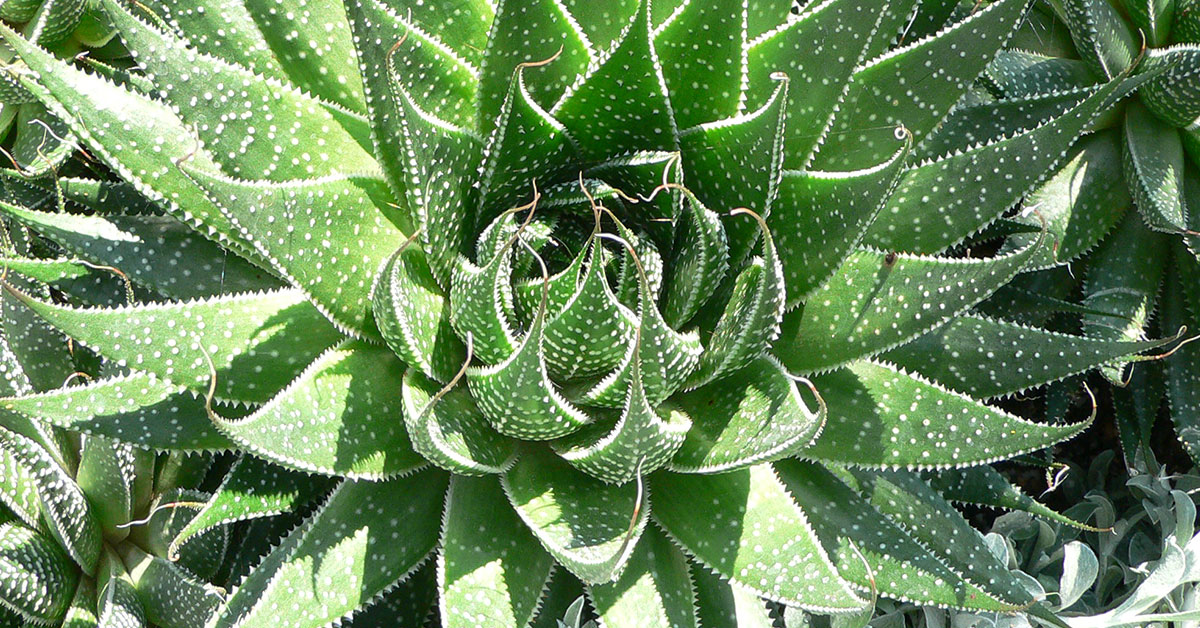

Welcome to the world of Lace Aloe, a stunning and versatile houseplant that is sure to add a touch of elegance to any indoor space. Lace Aloe, scientifically known as Aloe aristata, is a succulent plant native to South Africa.
With its delicate, lacy leaves and vibrant orange flowers, this plant is not only visually appealing but also relatively easy to care for, making it an excellent choice for both experienced gardeners and beginners alike. In this article, we will delve into the fascinating world of Lace Aloe, exploring its origins, ideal growing conditions, propagation methods, and essential care tips to ensure its health and longevity.
Whether you are a houseplant enthusiast looking to expand your collection or a beginner seeking a low-maintenance plant to brighten up your home, join us as we uncover the secrets to successfully growing and nurturing Lace Aloe.
What is a Lace Aloe?
Lace Aloe, scientifically known as Aloe aristata, is a popular succulent plant that belongs to the Aloe genus. It is native to South Africa and is commonly grown as a houseplant or in outdoor gardens in mild climates. Lace Aloe is appreciated for its attractive appearance, ease of care, and its ability to thrive in various conditions.
The plant gets its name from the unique white, lacy patterns that cover its leaves. These patterns consist of raised, tooth-like edges that run along the leaf margins, creating a delicate and intricate appearance. The leaves themselves are triangular in shape and are typically green or bluish-green in color. They grow in a rosette formation, with each leaf reaching a length of about 3 to 4 inches (7 to 10 cm). Lace Aloe produces tall flower spikes that emerge from the center of the rosette. The flowers are tubular and can vary in color, ranging from orange to red or even yellow.
These blooms attract pollinators like bees and butterflies, adding to the plant’s aesthetic appeal. In terms of size, Lace Aloe is considered a small to medium-sized succulent, usually reaching a height of about 6 to 12 inches (15 to 30 cm) and a similar spread. It is a slow-growing plant, which makes it suitable for container gardening or as a part of succulent arrangements.
Lace Aloe is a relatively low-maintenance plant, making it ideal for both beginners and experienced gardeners. It thrives in bright, indirect light but can tolerate some direct sunlight. It prefers well-draining soil and should be watered sparingly, allowing the soil to dry out between waterings. Overwatering can lead to root rot, so it’s essential to avoid excessive moisture.
Additionally, Lace Aloe is a drought-tolerant plant, capable of withstanding periods of water scarcity. Overall, Lace Aloe is a visually appealing succulent with its intricate leaf patterns and charming flowers. Its adaptability and ease of care make it a popular choice for indoor and outdoor gardening enthusiasts alike.
Where is Lace Aloe native?
Lace Aloe, also known as Aloe aristata, is native to South Africa. It is primarily found in the Eastern Cape Province and Lesotho. In its native habitat, Lace Aloe is not considered invasive. However, it is important to note that when introduced to new regions with suitable growing conditions, some Aloe species have the potential to become invasive. Therefore, it is always recommended to check with local authorities or gardening experts to ensure that planting Lace Aloe or any other plant species is appropriate for your specific location.
How to grow Lace Aloe indoors
Lace Aloe (Aloe aristata) is a beautiful succulent plant that is relatively easy to grow indoors. Here is a care guide to help you successfully cultivate Lace Aloe as a houseplant:
- Light: Lace Aloe thrives in bright, indirect sunlight. Place your plant near a south or west-facing window where it can receive at least 4-6 hours of sunlight per day. However, avoid placing it in direct sunlight as it can scorch the leaves.
- Temperature: Lace Aloe prefers average room temperatures between 65-80°F (18-27°C). It can tolerate slightly cooler temperatures during winter but should be protected from frost.
- Watering: Allow the soil to dry out completely between waterings. Overwatering can lead to root rot, so it’s crucial to avoid keeping the soil constantly moist. Water the plant deeply and then wait until the top 1-2 inches of soil are dry before watering again. During winter, reduce watering frequency as the plant goes into a dormant phase.
- Soil: Use a well-draining soil mix specifically formulated for succulents or cacti. You can also create your own mix by combining regular potting soil with perlite or coarse sand to improve drainage.
- Potting: Choose a pot with drainage holes to prevent waterlogging. Repot the Lace Aloe every 1-2 years or when the plant outgrows its current container. When repotting, ensure the new pot is slightly larger than the previous one to allow for growth.
- Fertilizer: Lace Aloe doesn’t require frequent fertilization. Feed the plant with a balanced, water-soluble fertilizer diluted to half strength during the growing season (spring and summer) every 2-3 months. Avoid fertilizing during winter.
- Humidity: Lace Aloe is adapted to low humidity levels and doesn’t require any additional humidity. Normal household humidity is sufficient.
- Pruning: Remove any dead or damaged leaves by gently pulling them away from the base of the plant. This will help maintain the plant’s appearance and prevent the spread of diseases.
- Propagation: Lace Aloe can be propagated through offsets or pups that grow around the base of the mother plant. Carefully remove the offsets and plant them in a separate pot with well-draining soil. Allow the offsets to establish roots before watering.
- Pests and Diseases: Lace Aloe is generally resistant to pests and diseases. However, overwatering can lead to root rot, so it’s important to ensure proper drainage. If pests like mealybugs or spider mites appear, treat them with a mild insecticidal soap or wipe them off with a cotton swab dipped in rubbing alcohol.
By following these care guidelines, you can enjoy a healthy and thriving Lace Aloe plant indoors. Remember to observe your plant closely and adjust care as needed based on its specific requirements.
How to grow Lace Aloe outdoors
Lace Aloe (Aloe aristata) is a beautiful succulent plant that can be grown outdoors in suitable climates. Here is a care guide to help you successfully grow Lace Aloe in your garden:
- Climate: Lace Aloe thrives in warm and dry climates. It is best suited for USDA hardiness zones 9-11. It can tolerate temperatures as low as 20°F (-6°C) but may require protection during frosty conditions.
- Sunlight: Lace Aloe prefers bright, indirect sunlight. Place it in a location where it receives at least 4-6 hours of sunlight per day. Avoid exposing it to intense, direct sunlight for extended periods, as it can scorch the leaves.
- Soil: Well-draining soil is crucial for Lace Aloe. Use a cactus or succulent mix, or create your own by combining regular potting soil with perlite or coarse sand to improve drainage. This will prevent waterlogged roots and reduce the risk of root rot.
- Watering: Lace Aloe is a drought-tolerant plant and should be watered sparingly. Allow the soil to dry out completely between waterings. Overwatering can lead to root rot and other issues. During the growing season (spring and summer), water once every 2-3 weeks. In winter, reduce watering to once a month or even less, as the plant goes into a semi-dormant state.
- Fertilizer: Lace Aloe does not require frequent fertilization. Apply a balanced, water-soluble fertilizer diluted to half strength once every 2-3 months during the growing season. Avoid fertilizing during winter when the plant is not actively growing.
- Pruning: Lace Aloe generally does not require much pruning. However, if you notice any dead or damaged leaves, you can trim them off using clean, sharp scissors or pruning shears. This will help maintain the plant’s appearance and prevent any potential disease or pest issues.
- Pests and Diseases: Lace Aloe is relatively resistant to pests and diseases. However, overwatering can lead to root rot, so it’s essential to ensure proper drainage. Occasionally, mealybugs or scale insects may infest the plant. If you notice any pests, gently wipe them off with a cotton swab dipped in rubbing alcohol or use an organic insecticidal soap.
- Propagation: Lace Aloe can be propagated through offsets or pups that grow around the base of the plant. Carefully separate these offsets from the mother plant using a clean, sharp knife. Allow the cut ends to dry for a day or two before planting them in a well-draining succulent mix. Keep the soil lightly moist until new roots and growth appear.
By following these care guidelines, you can enjoy the beauty of Lace Aloe in your outdoor garden. Remember to adjust the care routine based on your specific climate and conditions.
How to grow Lace Aloe in pots
Lace Aloe (Aloe aristata) is a beautiful succulent plant that is relatively easy to grow in pots. Here is a care guide to help you successfully grow Lace Aloe indoors:
- Light requirements: Lace Aloe prefers bright, indirect sunlight. Place your pot near a window that receives a few hours of sunlight each day. Avoid placing it in direct sunlight, as it can scorch the leaves.
- Temperature: Lace Aloe thrives in average room temperatures between 60-80°F (15-27°C). Protect it from extreme temperature fluctuations and cold drafts.
- Pot selection: Choose a well-draining pot with drainage holes to prevent waterlogging. A clay or terracotta pot is ideal as it allows the soil to dry out more efficiently.
- Soil: Use a well-draining cactus or succulent potting mix. You can also create your own mix by combining regular potting soil with perlite or coarse sand to improve drainage.
- Watering: Lace Aloe is a drought-tolerant plant, so it’s important not to overwater it. Allow the soil to dry out completely between waterings. Stick your finger about an inch into the soil, and if it feels dry, it’s time to water. Water thoroughly, ensuring that excess water drains out of the pot.
- Humidity: Lace Aloe is adapted to low humidity environments, so it doesn’t require any additional humidity. However, it can benefit from occasional misting during dry winter months.
- Fertilizer: Feed your Lace Aloe with a balanced, water-soluble fertilizer diluted to half strength. Apply the fertilizer once a month during the growing season (spring and summer). Avoid fertilizing during the winter months.
- Pruning: Remove any dead or damaged leaves by gently pulling them from the base of the plant. This will help maintain the plant’s overall appearance and prevent the spread of diseases.
- Propagation: Lace Aloe can be propagated through offsets, which are small plants that grow from the base of the mother plant. Carefully remove the offsets and plant them in a separate pot with well-draining soil. Allow the cut ends to callus for a day or two before planting.
- Pests and diseases: Lace Aloe is generally resistant to pests and diseases. However, overwatering can lead to root rot, so it’s important to ensure proper drainage. Keep an eye out for common succulent pests like mealybugs and scale insects. If you spot any, treat them with an appropriate insecticidal soap or neem oil.
Remember, every plant is unique, so it’s essential to observe your Lace Aloe and adjust its care accordingly. With proper attention and care, your Lace Aloe will thrive and add beauty to your indoor space.
When does Lace Aloe bloom?
Lace Aloe (Aloe aristata) typically blooms in the late spring or early summer. The exact timing can vary depending on growing conditions and the specific location where the plant is being grown. In general, you can expect to see the flowers appear between May and July.
Propagation guide for Lace Aloe
Lace Aloe (Aloe aristata) can be propagated through various methods, including offsets, leaf cuttings, and seeds. Here’s a step-by-step guide on how to propagate Lace Aloe:
- Offsets: Lace Aloe produces small offsets, also known as pups, around the base of the mother plant. To propagate using offsets, follow these steps:
- Carefully remove the offsets from the mother plant using a clean, sharp knife or by gently twisting them off.
- Allow the offsets to dry for a day or two to form calluses on the cut surfaces.
- Prepare a well-draining potting mix suitable for succulents, such as a mixture of cactus soil and perlite.
- Plant the offsets in the potting mix, burying the base slightly and leaving the top exposed.
- Water the newly planted offsets lightly, allowing the soil to dry out between waterings.
- Place the pot in a bright location with indirect sunlight.
- After a few weeks, the offsets should start developing roots and establish themselves as individual plants.
- Leaf Cuttings: Another method to propagate Lace Aloe is through leaf cuttings. Here’s how:
- Select a healthy leaf from the mother plant and use a clean, sharp knife to cut it near the base.
- Allow the leaf cutting to dry for a few days until the cut end forms a callus.
- Prepare a well-draining potting mix suitable for succulents.
- Insert the calloused end of the leaf cutting into the potting mix, burying it about an inch deep.
- Water the cutting lightly, keeping the soil slightly moist but not overly wet.
- Place the pot in a warm, bright location with indirect sunlight.
- Over time, new roots should develop from the buried end, and a new plantlet will emerge from the base of the leaf cutting.
- Once the new plantlet has grown a few inches tall, it can be carefully separated from the leaf cutting and potted up as an individual plant.
- Seeds: If you have access to Lace Aloe seeds, you can also propagate them. However, it’s worth noting that growing from seeds can be a slower process compared to the other methods mentioned above. Here’s what you can do:
- Sow the seeds in a well-draining potting mix suitable for succulents.
- Lightly cover the seeds with a thin layer of the potting mix.
- Moisten the soil gently, ensuring it remains slightly moist but not waterlogged.
- Place the pot in a warm location with indirect sunlight.
- Germination can take several weeks or even months, so be patient.
- Once the seedlings have grown a few inches tall, they can be transplanted into individual pots.
Remember, Lace Aloe prefers bright, indirect sunlight and well-draining soil. Allow the soil to dry out between waterings to prevent overwatering, which can lead to root rot. With proper care, your propagated Lace Aloe plants should thrive and grow into beautiful specimens.
Common pests and diseases
Lace Aloe (Aloe aristata) is generally a hardy and disease-resistant plant. However, like any other houseplant, it can still be susceptible to a few common pests and diseases. Here are some of the issues you may encounter with Lace Aloe:
- Mealybugs: These small, white, cotton-like insects can infest the leaves and stems of Lace Aloe. They suck the sap from the plant, causing yellowing, wilting, and stunted growth. You can remove them by wiping the affected areas with a cotton swab dipped in rubbing alcohol or by using insecticidal soap.
- Scale insects: Scale insects are small, oval-shaped pests that attach themselves to the leaves and stems of the plant. They can cause yellowing, wilting, and a sticky residue on the foliage. To remove them, you can scrape them off with a soft brush or cloth and then apply insecticidal soap.
- Root rot: Overwatering or poorly-draining soil can lead to root rot in Lace Aloe. This fungal disease causes the roots to become mushy and black. To prevent root rot, ensure that the soil is well-draining and allow the top inch of soil to dry out before watering again. If root rot has already occurred, it may be necessary to repot the plant in fresh, well-draining soil and trim away any affected roots.
- Leaf spots: Fungal leaf spots can occur on Lace Aloe due to overwatering, high humidity, or poor air circulation. These spots appear as brown or black lesions on the leaves. To prevent leaf spots, avoid overhead watering and ensure good air circulation around the plant. If leaf spots occur, remove and destroy the affected leaves and adjust the watering routine.
- Aphids: Aphids are small, soft-bodied insects that can cluster on the new growth of Lace Aloe, sucking the sap and causing distorted leaves. You can remove them by spraying the plant with a strong stream of water or by using insecticidal soap.
Regularly inspecting your Lace Aloe for signs of pests or diseases and taking prompt action will help keep your plant healthy and thriving.
Facts about Lace Aloe
Lace Aloe, also known as Aloe aristata, is a fascinating succulent plant that is native to South Africa. Here are some interesting facts about Lace Aloe:
- Appearance: Lace Aloe is a small, clump-forming succulent that typically grows up to 8-12 inches (20-30 cm) tall. It has rosettes of triangular, lance-shaped leaves that are covered in white spots, giving them a lacy or speckled appearance.
- Drought Tolerant: Like most succulents, Lace Aloe is highly drought-tolerant. It has adapted to survive in arid conditions by storing water in its leaves, making it a great choice for those who tend to forget to water their plants regularly.
- Medicinal Uses: Lace Aloe has been used for centuries in traditional medicine. The gel inside its leaves is known for its soothing and healing properties, making it useful for treating minor burns, cuts, and skin irritations.
- Flowering: Lace Aloe produces beautiful tubular flowers on long, slender stalks that rise above the rosettes. The flowers are typically coral to orange in color and attract pollinators like bees and butterflies.
- Low Maintenance: Lace Aloe is a relatively low-maintenance plant, making it suitable for beginners or busy individuals. It thrives in bright, indirect light and prefers well-draining soil. It can tolerate a wide range of temperatures but prefers warmer conditions.
- Propagation: Lace Aloe can be easily propagated through offsets or pups that grow around the base of the mother plant. These can be carefully separated and planted in their own pots to grow into new plants.
- Air Purifying: Like many other succulents, Lace Aloe is known for its air-purifying qualities. It can help remove toxins from the air, making it a great addition to indoor spaces.
- Longevity: With proper care, Lace Aloe can live for many years, often reaching a lifespan of 10-15 years or more.
Remember, while Lace Aloe is generally safe, it’s always a good idea to keep plants out of reach of pets and children, as some succulents can be mildly toxic if ingested.