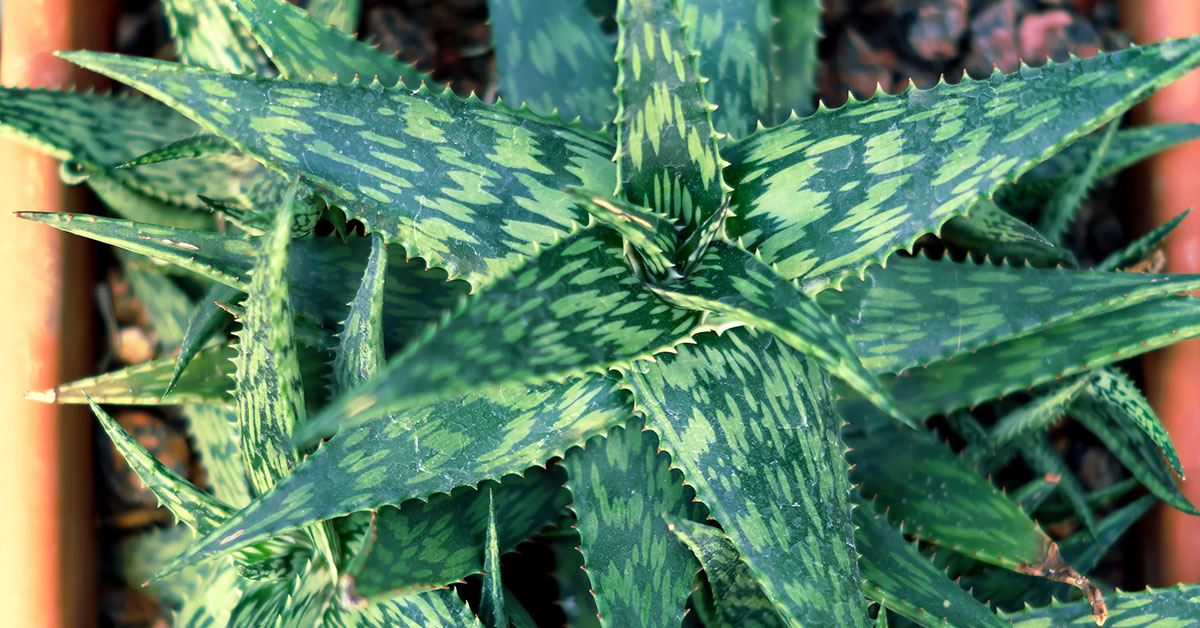

Welcome to the world of Firecracker Aloe, a stunning succulent that is sure to add a burst of color and vibrancy to any indoor or outdoor space. With its unique rosette-shaped foliage and vibrant red-orange flowers, this plant is a true showstopper.
Whether you are a seasoned gardener or a beginner looking to add some greenery to your home, this article will guide you through the process of growing and caring for Firecracker Aloe. From selecting the right potting mix to providing the ideal growing conditions, we will cover all the essential tips and tricks to ensure your Firecracker Aloe thrives and becomes the centerpiece of your plant collection. So, grab your gardening tools and let’s dive into the world of Firecracker Aloe!
What is a Firecracker Aloe?
A Firecracker Aloe, scientifically known as Aloe buhrii, is a succulent plant that belongs to the Aloe genus. It is a popular houseplant due to its unique appearance and relatively easy care requirements. The Firecracker Aloe has rosettes of thick, fleshy leaves that grow in a compact manner.
The leaves are triangular in shape and have serrated edges, which can be slightly reddish or green, depending on the amount of sunlight it receives. The plant gets its name from the vibrant red or orange coloration that develops on the leaf tips, resembling the burst of a firecracker. Typically, the Firecracker Aloe grows to a height of about 6-8 inches (15-20 cm) and spreads to form clumps.
It produces offsets or “pups” around the base, which can be separated and propagated to create new plants. When the Firecracker Aloe blooms, it produces tall, slender flower spikes that emerge from the center of the rosette. The flowers are tubular and can vary in color, ranging from orange to yellow. The blooming period usually occurs during the winter months, adding a delightful touch of color to your indoor garden.
Overall, the Firecracker Aloe is a visually appealing succulent with its compact rosettes, triangular leaves, and vibrant red or orange tips. It can be an excellent addition to your houseplant collection, providing both aesthetic beauty and low-maintenance care requirements.
Where is Firecracker Aloe native?
Firecracker Aloe (Aloe buhrii) is native to the Eastern Cape Province of South Africa. It is not considered invasive in its native habitat. However, when introduced to other regions with suitable climates, some aloes, including Firecracker Aloe, have the potential to become invasive. It is important to check with local authorities or gardening experts in your specific area to determine if Firecracker Aloe is considered invasive in your region.
How to grow Firecracker Aloe indoors
Firecracker Aloe (Aloe buhrii) is a beautiful succulent plant that can be grown indoors. Here is a care guide to help you successfully grow Firecracker Aloe:
- Light: Firecracker Aloe thrives in bright, indirect light. Place your plant near a south or west-facing window where it can receive at least 6 hours of sunlight per day. However, be cautious of intense, direct sunlight as it can scorch the leaves.
- Temperature: Firecracker Aloe prefers temperatures between 60-80°F (15-27°C). It can tolerate slightly cooler temperatures during winter but should be protected from frost.
- Watering: Allow the soil to dry out completely between waterings. Overwatering can lead to root rot, so it’s crucial to avoid keeping the soil constantly moist. Water the plant thoroughly and then wait until the top inch of soil is dry before watering again. During winter, reduce watering frequency as the plant enters a dormant period.
- Soil: Firecracker Aloe requires well-draining soil to prevent waterlogged roots. Use a cactus or succulent potting mix, or create your own by combining regular potting soil with perlite or coarse sand to improve drainage.
- Fertilizer: Feed your Firecracker Aloe with a balanced, water-soluble fertilizer formulated for succulents. Apply the fertilizer during the growing season (spring and summer) according to the package instructions. Avoid fertilizing during winter when the plant is dormant.
- Humidity: Firecracker Aloe is adapted to arid conditions and does not require high humidity. Average room humidity is generally sufficient for its growth.
- Repotting: As your Firecracker Aloe grows, you may need to repot it into a larger container. Repotting is usually done every 1-2 years in spring. Choose a pot that is slightly larger than the current one and use fresh succulent potting mix. Handle the plant with care, as its leaves are delicate and can break easily.
- Pruning: Firecracker Aloe rarely requires pruning. However, if you notice any dead or damaged leaves, you can gently remove them with clean scissors or pruning shears. Be cautious not to damage the healthy parts of the plant.
- Pests and Diseases: Firecracker Aloe is generally resistant to pests and diseases. However, overwatering can lead to root rot, so it’s crucial to ensure proper drainage. Occasionally, you may encounter common succulent pests like mealybugs or spider mites. If you notice any infestation, treat it with an appropriate insecticidal soap or neem oil.
- Propagation: Firecracker Aloe can be propagated through offsets, which are small plantlets that grow around the base of the mother plant. Gently separate the offsets from the main plant and allow them to dry for a day or two. Then, plant them in a well-draining succulent mix and follow the same care instructions as for mature plants.
Remember, Firecracker Aloe is a low-maintenance plant, but it’s essential to provide the right conditions for its growth. By following these care guidelines, you can enjoy a healthy and vibrant Firecracker Aloe indoors.
How to grow Firecracker Aloe outdoors
Firecracker Aloe (Aloe buhrii) is a beautiful succulent plant that can be grown outdoors in suitable climates. Here is a care guide to help you successfully grow Firecracker Aloe:
- Climate: Firecracker Aloe is native to South Africa and thrives in warm, arid climates. It is best suited for USDA hardiness zones 9-11. It requires plenty of sunlight, so choose a location that receives at least 6-8 hours of direct sunlight per day.
- Soil: Firecracker Aloe prefers well-draining soil to prevent root rot. Use a sandy or sandy loam soil mix with good drainage. You can also add perlite or pumice to improve drainage if needed.
- Watering: Aloe buhrii is a drought-tolerant plant, so it is important not to overwater it. Allow the soil to dry out completely between waterings. Water deeply but infrequently, ensuring that excess water drains out of the pot or away from the plant. During the winter months, reduce watering frequency as the plant goes into a dormant period.
- Fertilizer: Firecracker Aloe does not require heavy feeding. Fertilize sparingly during the growing season (spring and summer) with a balanced, water-soluble fertilizer diluted to half strength. Apply the fertilizer once a month or as directed on the packaging.
- Pruning: Pruning is not usually necessary for Firecracker Aloe. However, you can remove any dead or damaged leaves to maintain the plant’s appearance. Be careful not to damage the healthy leaves while pruning.
- Propagation: Firecracker Aloe can be propagated through offsets or pups that grow around the base of the plant. Gently separate the offsets from the parent plant and allow the cut ends to dry for a day or two. Then, plant them in a well-draining soil mix and water sparingly until they establish roots.
- Pests and Diseases: Firecracker Aloe is generally resistant to pests and diseases. However, overwatering can lead to root rot, so it’s crucial to ensure proper drainage. Keep an eye out for common succulent pests such as mealybugs or aphids. If you notice any infestation, treat it with an appropriate insecticidal soap or neem oil.
- Winter Care: Firecracker Aloe is not frost-tolerant, so if you live in a colder climate, it is best to grow it in containers that can be brought indoors during winter. If you choose to plant it in the ground, provide protection during freezing temperatures by covering it with a frost cloth or moving it to a sheltered location.
Remember, Firecracker Aloe is a low-maintenance plant, but it still requires proper care to thrive. By following these guidelines, you can enjoy a healthy and vibrant Firecracker Aloe in your outdoor garden.
How to grow Firecracker Aloe in pots
Firecracker Aloe (Aloe buhrii) is a beautiful succulent plant that can be grown indoors in pots. Here is a care guide to help you successfully grow Firecracker Aloe:
- Light: Firecracker Aloe thrives in bright, indirect light. Place your plant near a south or west-facing window where it can receive at least 6 hours of sunlight per day. However, avoid direct sunlight as it can scorch the leaves.
- Temperature: Firecracker Aloe prefers warm temperatures between 65-80°F (18-27°C). Protect the plant from drafts and sudden temperature changes, as it can negatively affect its growth.
- Watering: Like most succulents, Firecracker Aloe has low water requirements. Allow the soil to dry out completely between waterings. Water the plant thoroughly, ensuring that excess water drains out of the pot. Avoid overwatering, as it can lead to root rot. During winter, reduce watering frequency as the plant enters a dormant period.
- Soil: Use a well-draining potting mix specifically formulated for succulents and cacti. Alternatively, you can create your own mix by combining equal parts of regular potting soil, perlite, and coarse sand. This will ensure proper drainage and prevent waterlogged roots.
- Fertilizer: Firecracker Aloe does not require frequent fertilization. Feed the plant with a balanced, water-soluble fertilizer diluted to half strength once a month during the growing season (spring and summer). Avoid fertilizing during winter when the plant is dormant.
- Repotting: Firecracker Aloe generally doesn’t require frequent repotting. However, if the plant outgrows its current pot or the soil becomes compacted, repot it in a slightly larger container using fresh potting mix. Repotting is best done in spring when the plant is actively growing.
- Pruning: Remove any dead or damaged leaves by gently pulling them away from the base of the plant. This will help maintain the overall appearance and health of the Firecracker Aloe.
- Propagation: Firecracker Aloe can be propagated through offsets or pups that emerge from the base of the plant. Carefully remove the offsets and plant them in a separate pot with well-draining soil. Allow the cut ends to callus for a day or two before watering lightly. Keep the new plants in a warm, bright location and avoid overwatering until they establish roots.
- Pests and Diseases: Firecracker Aloe is relatively resistant to pests and diseases. However, overwatering can lead to root rot, so ensure proper drainage. Keep an eye out for common succulent pests like mealybugs and scale insects. If you notice any infestation, treat it with an appropriate organic insecticide or wipe the affected areas with a cotton swab dipped in rubbing alcohol.
With proper care and attention, your Firecracker Aloe will thrive and add beauty to your indoor space. Enjoy the unique charm of this succulent plant!
When does Firecracker Aloe bloom?
Firecracker Aloe (Aloe buhrii) typically blooms in the spring or early summer. The exact timing can vary depending on growing conditions and the specific climate in which it is being grown. In general, you can expect to see the vibrant red-orange flowers of Firecracker Aloe starting to appear in late spring, continuing through early summer.
Propagation guide for Firecracker Aloe
To propagate Firecracker Aloe (Aloe buhrii), you have a few options:
- Division: This method involves separating the offsets or “pups” from the main plant. Carefully remove the pups from the base of the plant using a clean, sharp knife or by gently twisting them off. Allow the offsets to dry for a day or two, which helps prevent rotting. Then, plant them in a well-draining potting mix, ensuring that the roots are covered but the leaves are above the soil surface. Water sparingly until new growth appears.
- Leaf cuttings: Select a healthy, mature leaf from the parent plant. Using a clean, sharp knife, cut the leaf near the base, ensuring you have a clean cut. Allow the cut end to dry for a day or two to form a callus. Once calloused, plant the leaf in a well-draining potting mix, burying the cut end slightly. Water sparingly and keep the soil lightly moist until new roots and plantlets emerge.
- Offsets: Firecracker Aloe naturally produces offsets or “pups” around the base of the plant. These can be carefully separated from the parent plant and potted individually. Ensure each offset has some roots attached, and plant them in a well-draining potting mix. Water sparingly until new growth appears.
Regardless of the propagation method you choose, it’s important to provide the new plants with bright, indirect light and avoid overwatering. Allow the soil to dry out between waterings to prevent root rot. With proper care, your Firecracker Aloe propagations should establish and grow into healthy plants.
Common pests and diseases of Firecracker Aloe
The Firecracker Aloe (Aloe x ‘Firecracker’) is generally a hardy and disease-resistant plant. However, it can still be susceptible to a few common pests and diseases. Here are some of the issues you may encounter with Firecracker Aloe:
- Mealybugs: These small, white, cotton-like insects can infest the leaves and stems of the plant. They suck sap from the plant, causing yellowing, wilting, and stunted growth. To control mealybugs, you can manually remove them with a cotton swab dipped in rubbing alcohol or use insecticidal soap.
- Scale insects: Scale insects are small, oval-shaped pests that attach themselves to the leaves and stems, forming a protective shell. They also feed on plant sap, causing yellowing and weakening of the plant. You can remove scale insects by gently scraping them off with a soft brush or cloth. In severe cases, insecticidal soap or horticultural oil can be used.
- Root rot: Overwatering or poorly-draining soil can lead to root rot in Firecracker Aloe. This fungal disease causes the roots to become mushy and discolored, leading to wilting and eventual death of the plant. To prevent root rot, ensure that the soil is well-draining and allow the top inch of soil to dry out before watering again. If root rot occurs, it is best to remove the affected parts and repot the plant in fresh, well-draining soil.
- Leaf spots: Firecracker Aloe can sometimes develop leaf spots caused by fungal or bacterial infections. These spots appear as discolored patches on the leaves and may eventually lead to leaf drop. To prevent leaf spots, avoid overhead watering and ensure good air circulation around the plant. If leaf spots occur, remove the affected leaves and treat with a fungicide or bactericide if necessary.
Remember to regularly inspect your Firecracker Aloe for any signs of pests or diseases and take appropriate action promptly to keep your plant healthy.
Facts about Firecracker Aloe
Firecracker Aloe, also known as Aloe buhrii, is a unique and fascinating succulent plant. Here are some interesting facts about Firecracker Aloe:
- Origin: Firecracker Aloe is native to the Eastern Cape Province of South Africa. It is found growing in rocky areas and cliffs.
- Appearance: This aloe species has rosettes of thick, triangular leaves that are green in color. The leaves have distinctive red margins and white spots, giving them a striking appearance.
- Flowering: Firecracker Aloe produces beautiful tubular flowers that are typically orange or red in color. The flowers grow on tall, slender stalks that rise above the rosettes. The blooming period usually occurs during late winter or early spring.
- Drought-tolerant: Like most aloes, Firecracker Aloe is highly adapted to arid conditions. It has succulent leaves that store water, allowing it to survive in dry environments. This makes it an excellent choice for xeriscaping or low-water gardens.
- Medicinal uses: Aloe plants, including Firecracker Aloe, have a long history of medicinal use. The gel found inside the leaves is known for its soothing and healing properties. It can be used topically to treat minor burns, cuts, and skin irritations.
- Easy to grow: Firecracker Aloe is relatively easy to care for, making it a popular choice among succulent enthusiasts. It prefers well-draining soil and requires moderate sunlight. It can tolerate some shade but thrives in bright, indirect light.
- Propagation: Firecracker Aloe can be propagated through offsets or by seed. Offsets, also known as pups, are small plantlets that grow from the base of the mother plant. These can be carefully separated and replanted to create new plants.
- Low maintenance: Firecracker Aloe is a low-maintenance plant that doesn’t require frequent watering. It is best to allow the soil to dry out between waterings to prevent root rot. During the winter months, it is advisable to reduce watering further.
- Container-friendly: Due to its compact size, Firecracker Aloe is well-suited for container gardening. It can be grown indoors as a houseplant or placed outdoors in containers on patios or balconies. Just ensure the container has drainage holes to prevent waterlogging.
- Wildlife attraction: The vibrant flowers of Firecracker Aloe attract pollinators like bees and butterflies, making it a valuable addition to any garden. It also provides a habitat for small insects and spiders, contributing to the overall biodiversity.
Remember, while Firecracker Aloe is generally safe, it’s always a good idea to research any potential toxicity or allergies before introducing any plant into your home or garden.