
Welcome to the world of the Durango Marigold, a stunning variety of marigold that will add a vibrant burst of color to your garden or indoor space. With their unique fiery orange and yellow petals, Durango Marigolds are a favorite among gardeners and flower enthusiasts alike.
Whether you’re a seasoned gardener or just starting out, this article will guide you through the process of growing and caring for Durango Marigolds, ensuring that you can enjoy their beauty and charm all season long. From selecting the right location to providing the ideal growing conditions, we will cover everything you need to know to successfully cultivate these magnificent flowers.
So, let’s dive in and discover the secrets to growing Durango Marigolds that will make your garden the envy of all who see it.
What is a Durango Marigold?
The Durango Marigold, also known as Tagetes patula ‘Durango’, is a popular variety of marigold that is commonly grown as an annual flower. It is known for its vibrant and eye-catching blooms, making it a favorite choice among gardeners.
Durango Marigolds typically grow to a height of about 10-12 inches (25-30 cm) and spread to a width of 8-10 inches (20-25 cm). They have a compact and bushy growth habit, making them suitable for containers, borders, or mass plantings. The flowers of the Durango Marigold are characterized by their large, double blooms. The petals are usually a rich, warm shade of orange, although there are also varieties available in shades of yellow and red.
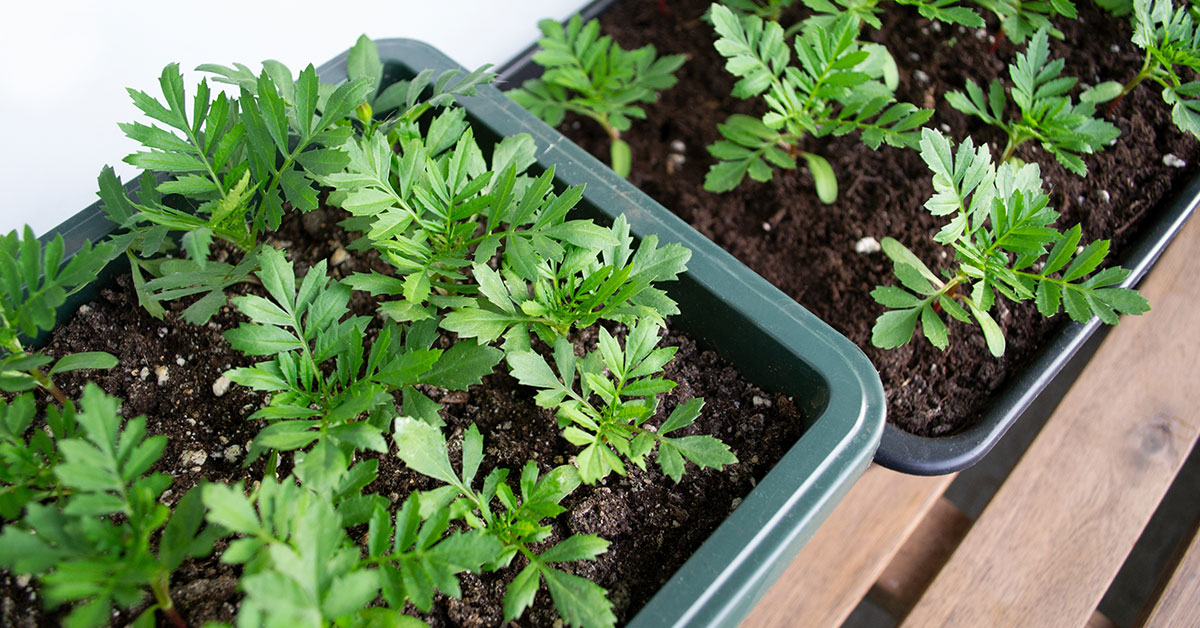
The flowers have a daisy-like appearance with numerous petals radiating from a central disc. The foliage of the Durango Marigold is typically green and finely divided, adding to its overall attractiveness. One of the key features of Durango Marigolds is their long blooming period. They often start flowering in early summer and continue to produce blooms until the first frost.
This extended flowering season makes them a great choice for adding color to your garden throughout the summer. Durango Marigolds are relatively easy to grow and are known for their tolerance to a wide range of growing conditions. They prefer full sun but can tolerate partial shade. They also thrive in well-draining soil and are relatively drought-tolerant once established.
Regular deadheading (removing spent flowers) can help promote continuous blooming. Overall, the Durango Marigold is a beautiful and versatile flower that adds a splash of vibrant color to any garden or landscape. Its compact size, long blooming period, and easy care requirements make it a popular choice for both beginner and experienced gardeners.
Where are Durango Marigolds native?
The Durango Marigold (Tagetes lemmonii), also known as the Copper Canyon Daisy, is native to the southwestern United States, specifically the states of Arizona, New Mexico, and Texas. It is also found in northern Mexico.
The Durango Marigold is not considered invasive. In fact, it is a popular ornamental plant in many gardens due to its vibrant yellow flowers and aromatic foliage. However, it is important to note that while it is not invasive, it can spread through self-seeding if the conditions are favorable. To prevent excessive spreading, you can deadhead the spent flowers before they produce seeds or remove any unwanted seedlings that may appear.
How to grow Durango Marigolds indoors
Durango Marigold (Tagetes patula) is a beautiful and vibrant flowering plant that can be grown indoors with proper care. Here’s a care guide to help you successfully grow Durango Marigold indoors:
- Lighting: Durango Marigold requires bright, direct sunlight for at least 6-8 hours a day. Place your plant near a south-facing window where it can receive ample sunlight. If natural light is limited, you can use fluorescent grow lights placed 6-12 inches above the plant.
- Temperature: Durango Marigold thrives in temperatures between 65-75°F (18-24°C) during the day and slightly cooler temperatures at night. Avoid placing the plant near drafts or heating vents, as extreme temperature fluctuations can harm its growth.
- Watering: Keep the soil consistently moist but not waterlogged. Water your Durango Marigold when the top inch of soil feels dry to the touch. Water thoroughly until water drains out of the bottom of the pot, then discard any excess water. Avoid overwatering, as it can lead to root rot.
- Humidity: Durango Marigold prefers moderate humidity levels. If the air in your home is dry, you can increase humidity by placing a tray filled with water near the plant or using a humidifier.
- Soil: Use a well-draining potting mix that is rich in organic matter. A mix of peat moss, perlite, and compost works well for Durango Marigold. Avoid heavy soils that retain too much moisture.
- Fertilizer: Feed your Durango Marigold with a balanced, water-soluble fertilizer every 2-4 weeks during the growing season (spring and summer). Follow the instructions on the fertilizer package for the correct dosage. Reduce or stop fertilizing during the dormant period (fall and winter).
- Pruning: Regularly pinch off spent flowers to encourage continuous blooming and prevent the plant from going to seed. You can also pinch back leggy stems to promote bushier growth.
- Pests and diseases: Durango Marigold is generally resistant to pests and diseases. However, keep an eye out for common houseplant pests like aphids, spider mites, and whiteflies. If you notice any infestation, treat it with an appropriate organic insecticide or insecticidal soap.
- Propagation: Durango Marigold can be propagated through seeds. Collect the seeds from spent flowers and sow them in a seed-starting tray filled with moist potting mix. Keep the tray in a warm and bright location until the seeds germinate. Transplant the seedlings into individual pots once they have developed a few sets of true leaves.
- Dormancy: Durango Marigold may enter a dormant period during the fall and winter months. Reduce watering and stop fertilizing during this time. Place the plant in a cooler location (around 55-60°F/13-15°C) to encourage dormancy. Resume regular care in spring when new growth appears.
By following these care guidelines, you can enjoy the vibrant blooms of Durango Marigold indoors throughout the year. Happy gardening!
How to grow Durango Marigolds outdoors
Durango Marigold (Tagetes patula ‘Durango’) is a beautiful annual flower that is commonly grown outdoors in gardens and containers. Here is a care guide to help you successfully grow Durango Marigold:
- Location: Choose a sunny spot in your garden or balcony that receives at least 6-8 hours of direct sunlight per day. Marigolds thrive in full sun and require warm temperatures to grow well.
- Soil: Marigolds prefer well-draining soil with a pH level between 6.0 and 7.0. Before planting, amend the soil with organic matter like compost to improve its fertility and drainage.
- Planting: Start by preparing the soil by loosening it with a garden fork or tiller. Dig a hole that is slightly larger than the root ball of the Durango Marigold plant. Space multiple plants about 8-12 inches apart to allow for adequate air circulation.
- Watering: Water the newly planted Durango Marigold thoroughly to settle the soil around the roots. After that, water the plants regularly, keeping the soil consistently moist but not waterlogged. Avoid overwatering, as it can lead to root rot and other fungal diseases.
- Fertilization: Marigolds are not heavy feeders, but they benefit from a balanced, slow-release fertilizer applied at the time of planting. Follow the instructions on the fertilizer packaging for the correct application rate. Additionally, you can supplement with a water-soluble fertilizer every 4-6 weeks during the growing season to promote healthy growth and abundant blooms.
- Mulching: Apply a layer of organic mulch around the base of the Durango Marigold plants to help retain moisture, suppress weed growth, and regulate soil temperature. Mulching also adds organic matter to the soil as it breaks down.
- Deadheading: Regularly remove spent flowers by pinching or cutting them off. Deadheading encourages the plant to produce more blooms and prevents the formation of seed heads, which can divert energy from flower production.
- Pests and Diseases: Durango Marigolds are generally resistant to most pests and diseases. However, keep an eye out for common garden pests like aphids, spider mites, and whiteflies. If necessary, treat with organic insecticides or insecticidal soaps. Proper spacing, good air circulation, and avoiding overhead watering can help prevent fungal diseases like powdery mildew.
- Support: Although Durango Marigolds are generally compact and bushy, some varieties may benefit from staking or support if they grow tall or become top-heavy. Use bamboo stakes or plant supports to prevent the plants from flopping over.
- Winter Care: Durango Marigolds are annual plants and will not survive frost or freezing temperatures. In colder regions, they will die off naturally at the end of the growing season. However, you can collect seeds from mature flowers to save for the following year’s planting.
By following these care guidelines, you can enjoy a vibrant display of Durango Marigolds in your garden or containers throughout the growing season. Happy gardening!
How to grow Durango Marigolds in pots
Durango Marigold (Tagetes patula) is a beautiful and vibrant annual flower that can be easily grown in pots. Here is a care guide to help you successfully grow Durango Marigold in pots:
- Select a suitable pot: Choose a pot that is at least 6-8 inches deep and has drainage holes at the bottom. This will ensure proper drainage and prevent waterlogging.
- Soil preparation: Use a well-draining potting mix that is rich in organic matter. You can also mix in some perlite or sand to improve drainage. Avoid heavy clay soils as they can retain too much moisture.
- Sunlight requirements: Durango Marigold thrives in full sun, so place your pots in an area that receives at least 6-8 hours of direct sunlight per day. If you don’t have access to full sun, they can tolerate partial shade, but flowering may be reduced.
- Watering: Keep the soil evenly moist, but not waterlogged. Water the plants when the top inch of soil feels dry. Avoid overwatering as it can lead to root rot. Water at the base of the plant to prevent wetting the foliage, which can cause diseases.
- Fertilization: Feed your Durango Marigold plants with a balanced water-soluble fertilizer every 2-3 weeks during the growing season. Follow the instructions on the fertilizer package for the correct dilution ratio. Avoid over-fertilizing, as it can result in excessive foliage growth and fewer flowers.
- Deadheading: Regularly remove faded flowers by pinching or cutting them off. Deadheading encourages the plant to produce more blooms and prevents the formation of seeds, which can divert energy away from flower production.
- Pests and diseases: Durango Marigold is generally resistant to pests and diseases. However, keep an eye out for common garden pests like aphids, spider mites, and whiteflies. If you notice any infestation, treat the plants with an appropriate organic insecticide or insecticidal soap.
- Pinching and pruning: Pinch back the growing tips of your Durango Marigold plants when they are about 6 inches tall. This will encourage bushier growth and more flowers. You can also prune any leggy or straggly stems to maintain a compact and tidy appearance.
- Overwintering: Durango Marigold is an annual plant, which means it completes its life cycle in one growing season. However, you can collect seeds from spent flowers and save them for the next year’s planting.
- Enjoy the blooms: With proper care, your Durango Marigold plants will reward you with a profusion of colorful flowers throughout the summer and fall. Take time to appreciate their beauty and fragrance.
Remember to monitor your plants regularly for any signs of stress, pests, or diseases. By providing the right conditions and care, your Durango Marigold plants will thrive and add a splash of color to your garden or patio.
When does the Durango Marigold bloom?
Durango Marigold (Tagetes patula ‘Durango’) is a popular variety of marigold known for its vibrant blooms. It typically starts blooming in late spring or early summer, depending on your location and climate. The exact timing can vary, but you can expect to see the first flowers appear around 8-10 weeks after sowing the seeds or planting the seedlings. With proper care and favorable conditions, Durango Marigold can continue to bloom throughout the summer and into the fall.
Propagation guide for Durango Marigolds
To propagate Durango Marigold, you have a few options:
- Seeds: Collect the seeds from mature Durango Marigold flowers. Allow the flower heads to dry on the plant, then remove them and separate the seeds. Sow the seeds in a well-draining potting mix, covering them lightly with soil. Keep the soil consistently moist and place the pot in a warm location with indirect sunlight. Germination should occur within 1-2 weeks.
- Stem cuttings: Take 3-4 inch stem cuttings from a healthy Durango Marigold plant. Remove the lower leaves, leaving only a few at the top. Dip the cut end in a rooting hormone powder to encourage root development. Plant the cuttings in a well-draining potting mix, ensuring that at least one node is buried in the soil. Mist the cuttings regularly and keep them in a warm, bright location with indirect sunlight. Roots should develop within 2-4 weeks.
- Division: If you have an established Durango Marigold plant, you can divide it to create new plants. Carefully remove the plant from its pot and gently separate the root ball into smaller sections. Each section should have its own set of roots and foliage. Plant these divisions in separate pots with fresh potting mix, ensuring that the roots are covered and the plant is stable. Water thoroughly and place them in a warm, bright location with indirect sunlight.
Regardless of the propagation method you choose, it’s important to provide the young plants with proper care, including regular watering, well-draining soil, and adequate sunlight. Once the plants have established roots and are growing well, you can gradually acclimate them to outdoor conditions if desired.
Common pests and diseases
The common pests and diseases that can affect Durango Marigold (Tagetes erecta) include:
- Aphids: These small, soft-bodied insects feed on the sap of the plant, causing stunted growth and distorted leaves. They can be controlled by spraying the plant with a strong jet of water or by using insecticidal soap.
- Whiteflies: These tiny, white insects suck the sap from the leaves, causing yellowing, wilting, and stunted growth. They can be controlled by using yellow sticky traps or by applying insecticidal soap or neem oil.
- Spider mites: These tiny pests are not insects but arachnids. They feed on the plant sap, causing yellowing, stippling, and webbing on the leaves. Spider mites can be controlled by spraying the plant with water to increase humidity or by using insecticidal soap or neem oil.
- Leaf miners: These pests are the larvae of small flies that tunnel through the leaves, leaving visible trails or mines. They can cause significant damage to the foliage. Affected leaves should be removed and destroyed to prevent the spread of the larvae.
- Powdery mildew: This fungal disease appears as a white, powdery coating on the leaves, stems, and flowers. It thrives in humid conditions and can be controlled by improving air circulation, avoiding overhead watering, and applying fungicides if necessary.
- Botrytis blight: Also known as gray mold, this fungal disease causes brown spots and fuzzy gray mold on the flowers and foliage. It thrives in cool, damp conditions. Infected plant parts should be removed and destroyed, and fungicides can be applied to prevent further spread.
Regular inspection and early intervention are key to preventing and managing these pests and diseases. Additionally, maintaining proper plant care practices, such as providing adequate sunlight, watering correctly, and ensuring good air circulation, can help keep Durango Marigold plants healthy and less susceptible to pests and diseases.
Facts about Durango Marigolds
The Durango Marigold, also known as Tagetes patula ‘Durango’, is a popular and vibrant annual flower. Here are some interesting facts about this particular marigold variety:
- Compact and bushy: Durango Marigolds are known for their compact and bushy growth habit, making them perfect for containers, borders, or mass plantings.
- Vibrant colors: These marigolds come in a wide range of vibrant colors, including shades of orange, yellow, gold, and even bi-color combinations. Their bright hues make them a standout in any garden or landscape.
- Continuous blooming: Durango Marigolds are prolific bloomers, producing an abundance of flowers throughout the growing season. With proper care, they can bloom from spring until the first frost.
- Heat and drought tolerant: These marigolds are known for their excellent heat and drought tolerance. They can withstand hot and dry conditions, making them a great choice for gardeners in arid or sunny regions.
- Pest repellent: Marigolds, including the Durango variety, have natural pest-repellent properties. Their strong scent helps deter pests like aphids, nematodes, and whiteflies, making them a beneficial companion plant in vegetable gardens.
- Easy to grow: Durango Marigolds are relatively easy to grow, making them suitable for both beginner and experienced gardeners. They prefer full sun but can tolerate partial shade. They also have good resistance to common diseases.
- Attracts pollinators: The bright colors and nectar-rich flowers of Durango Marigolds attract various pollinators, including bees, butterflies, and hoverflies. These beneficial insects help with pollination and contribute to a healthy garden ecosystem.
- Cut flower potential: Durango Marigolds make excellent cut flowers due to their long-lasting blooms and vibrant colors. They can be used in floral arrangements or as decorative elements in bouquets.
- Edible flowers: While not commonly consumed, Durango Marigold flowers are edible and can be used as a garnish or added to salads for a pop of color. However, it’s important to ensure that the flowers are grown organically and not treated with any chemicals.
- Cultural significance: Marigolds, including the Durango variety, hold cultural significance in various countries. For example, they are often used in Day of the Dead celebrations in Mexico, where they are believed to guide spirits back to the living world.
Overall, Durango Marigolds are beautiful, easy-to-grow flowers that add color and charm to any garden or landscape.