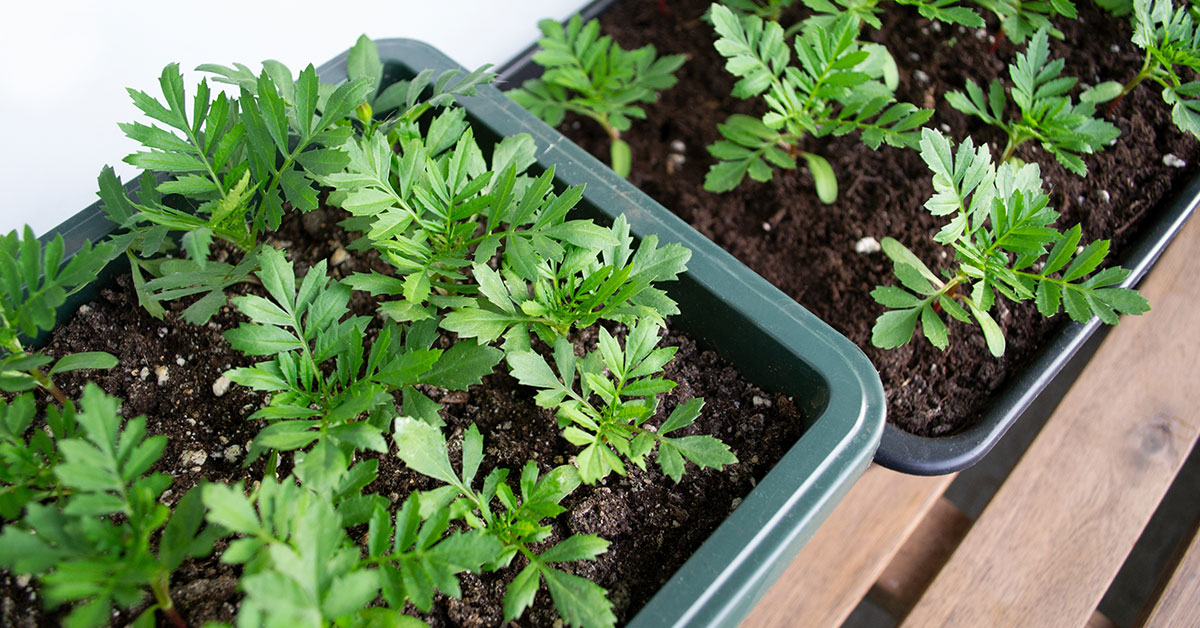

Welcome to the world of the Inca Marigold, a vibrant and captivating addition to any garden or indoor space. With their stunning golden-orange blooms and delicate, fern-like foliage, Inca Marigolds, also known as Tagetes minuta, are a true sight to behold.
Originating from the highlands of South America, these unique flowers have gained popularity among gardening enthusiasts for their exceptional beauty and versatility. Whether you are a seasoned gardener or a beginner, this article will guide you through the process of growing and caring for Inca Marigolds, ensuring that you can enjoy their radiant splendor year-round.
From selecting the right location and soil to providing the ideal growing conditions, we will explore the essential steps to cultivate healthy and thriving Inca Marigolds, allowing you to create a breathtaking display of color and fragrance in your own garden or home.
What is an Inca Marigold?
The Inca Marigold, also known as Tagetes erecta, is a popular flowering plant that belongs to the Asteraceae family. It is native to Mexico and Central America. This plant is commonly grown as an annual in many regions, including as a houseplant. Inca Marigolds are known for their vibrant and eye-catching blooms.
The flowers are large, typically measuring around 2-4 inches in diameter. They come in various shades of yellow, orange, and red, with some cultivars even featuring bi-colored or multicolored petals. The flowers have a dense, pom-pom-like appearance, and their petals are often ruffled or fringed, adding to their ornamental value.
The foliage of the Inca Marigold consists of dark green, deeply divided leaves that are slightly aromatic when crushed. The plant itself can reach a height of 1-3 feet, depending on the cultivar and growing conditions. Inca Marigolds are known for their long blooming period, typically from late spring to fall. They thrive in full sun but can tolerate partial shade.
These plants are relatively easy to grow and are often used in flower beds, borders, containers, and as cut flowers. They are also known for their ability to repel certain pests, making them a popular choice for companion planting in vegetable gardens. Overall, the Inca Marigold is a striking and versatile plant that adds a splash of color to any garden or indoor space.
Where is the Inca Marigold native?
The Inca Marigold, also known as Tagetes erecta, is native to Mexico and Central America. It is not considered invasive in its native range. However, when introduced to other regions, it can become invasive under certain conditions. In some areas with favorable climates, such as parts of Australia and the United States, it has naturalized and can spread rapidly, outcompeting native plants. Therefore, it is important to be cautious when growing Inca Marigold outside of its native range and to prevent its spread into natural areas where it can become invasive.
How to grow Inca Marigolds indoors
Inca Marigold, also known as Tagetes erecta, is a beautiful flowering plant that can be grown indoors. Here is a care guide to help you successfully grow Inca Marigold indoors:
- Lighting: Inca Marigold requires bright, indirect sunlight for at least 6-8 hours a day. Place your plant near a south or west-facing window where it can receive ample sunlight. If natural light is limited, you can supplement it with fluorescent grow lights placed about 6-12 inches above the plant.
- Temperature: Inca Marigold thrives in temperatures between 60-75°F (15-24°C). Avoid exposing the plant to extreme temperature fluctuations and drafts, as it prefers a stable environment.
- Watering: Keep the soil evenly moist but not waterlogged. Water the plant when the top inch of soil feels dry to the touch. Ensure proper drainage by using a well-draining potting mix and a pot with drainage holes. Avoid overwatering, as it can lead to root rot.
- Humidity: Inca Marigold prefers moderate humidity levels. If the air in your home is dry, you can increase humidity by placing a tray filled with water near the plant or using a humidifier. Misting the leaves occasionally can also help.
- Fertilization: Feed your Inca Marigold with a balanced, water-soluble fertilizer every 2-4 weeks during the growing season (spring and summer). Follow the instructions on the fertilizer package for the correct dosage. Avoid fertilizing during the dormant period (fall and winter).
- Pruning: Regularly pinch back the growing tips of your Inca Marigold to encourage bushier growth and more blooms. Remove any dead or yellowing leaves to maintain the plant’s overall health and appearance.
- Pests and diseases: Inca Marigold is generally resistant to pests and diseases. However, keep an eye out for common houseplant pests like aphids, spider mites, or whiteflies. If you notice any signs of infestation, treat the plant with an appropriate insecticide or try using natural remedies like neem oil or insecticidal soap.
- Propagation: Inca Marigold can be propagated from seeds or stem cuttings. To propagate from seeds, sow them in a well-draining potting mix and keep them moist until germination occurs. For stem cuttings, take 4-6 inch cuttings from the plant’s healthy stems, remove the lower leaves, and place them in a container with moist soil. Keep the cuttings warm and humid until they develop roots.
Remember, Inca Marigold is an annual plant, so it will complete its life cycle within a year. However, with proper care, you can enjoy its vibrant blooms indoors for a significant portion of that time.
How to grow Inca Marigolds outdoors
Inca Marigold, also known as Tagetes erecta, is a beautiful flowering plant that can add vibrant colors to your outdoor garden. Here is a care guide to help you successfully grow Inca Marigold outdoors:
- Location: Choose a sunny spot in your garden that receives at least 6-8 hours of direct sunlight daily. Inca Marigolds thrive in warm temperatures, so make sure the location is not prone to strong winds or frost.
- Soil: Inca Marigolds prefer well-draining soil with a pH level between 6.0 and 7.5. Amend the soil with organic matter, such as compost or well-rotted manure, to improve its fertility and drainage.
- Planting: Start by preparing the soil by loosening it with a garden fork or tiller. Dig a hole that is slightly larger than the root ball of the plant. Place the Inca Marigold in the hole, ensuring that the top of the root ball is level with the soil surface. Space the plants about 12-18 inches apart to allow for proper air circulation.
- Watering: Water the newly planted Inca Marigolds thoroughly to settle the soil and help the roots establish. Afterward, water the plants regularly, keeping the soil evenly moist but not waterlogged. Avoid overwatering, as it can lead to root rot. During hot and dry periods, you may need to water more frequently.
- Fertilization: Inca Marigolds are not heavy feeders, but you can apply a balanced, slow-release fertilizer once a month during the growing season. Alternatively, you can use a water-soluble fertilizer diluted to half strength every two weeks. Follow the package instructions for proper application.
- Mulching: Apply a layer of organic mulch, such as straw or wood chips, around the base of the plants. Mulching helps retain soil moisture, suppresses weed growth, and regulates soil temperature.
- Pruning: Pinch back the tips of young Inca Marigold plants when they reach a height of 6-8 inches. This encourages bushier growth and more abundant flowering. Deadhead spent flowers regularly to promote continuous blooming.
- Pests and Diseases: Inca Marigolds are relatively resistant to pests and diseases. However, keep an eye out for common garden pests like aphids, spider mites, and whiteflies. If necessary, treat with insecticidal soap or neem oil following the product instructions.
- Winter Care: Inca Marigolds are annual plants and are not frost-tolerant. As the colder months approach, you can collect seeds from the spent flowers for future planting. Alternatively, you can treat Inca Marigolds as annuals and replant them each year.
By following these care guidelines, you can enjoy the vibrant blooms of Inca Marigolds in your outdoor garden throughout the growing season. Happy gardening!
How to grow Inca Marigolds in pots
Inca Marigold, also known as Tagetes erecta, is a beautiful and vibrant flowering plant that can be easily grown in pots. Here is a care guide to help you successfully grow Inca Marigold in pots:
- Select the right pot: Choose a pot that is at least 12 inches in diameter and has drainage holes at the bottom. This will ensure proper drainage and prevent waterlogging.
- Soil selection: Inca Marigold prefers well-draining soil. Use a good quality potting mix that is enriched with organic matter. You can also add perlite or sand to improve drainage.
- Sunlight requirements: Inca Marigold thrives in full sun, so place your pot in a location where it can receive at least 6-8 hours of direct sunlight every day. If you don’t have access to full sun, it can tolerate partial shade but may not bloom as profusely.
- Watering: Water your Inca Marigold regularly, keeping the soil evenly moist but not waterlogged. Allow the top inch of soil to dry out before watering again. Avoid overwatering as it can lead to root rot.
- Fertilization: Feed your Inca Marigold with a balanced liquid fertilizer every 2-3 weeks during the growing season (spring and summer). Follow the instructions on the fertilizer package for the correct dosage. Avoid fertilizing during the dormant winter period.
- Deadheading: Inca Marigold produces abundant flowers, and deadheading (removing spent blooms) will encourage continuous blooming. Pinch off the faded flowers to promote new growth and more flowers.
- Pruning: If your Inca Marigold becomes leggy or overgrown, you can prune it back to maintain a compact shape. Pruning also helps to promote bushier growth and more flowers.
- Pests and diseases: Inca Marigold is generally resistant to pests and diseases. However, keep an eye out for common garden pests like aphids, whiteflies, and spider mites. If you notice any infestation, treat it with an appropriate organic insecticide or insecticidal soap.
- Overwintering: Inca Marigold is an annual plant, but you can collect seeds from the spent flowers and sow them in the following spring for new plants. If you live in a frost-free region, you can also bring your potted Inca Marigold indoors during winter and continue to enjoy its blooms.
- Propagation: In addition to collecting seeds, you can propagate Inca Marigold through stem cuttings. Take 4-6 inch cuttings from healthy plants, remove the lower leaves, and place them in a well-draining potting mix. Keep the soil moist and provide indirect light until the cuttings root.
By following these care guidelines, you can enjoy the vibrant and cheerful blooms of Inca Marigold in your pots. Happy gardening!
When does Inca Marigold bloom?
Inca Marigold, also known as Tagetes erecta, typically blooms from mid-summer to fall. The exact blooming period may vary depending on the specific growing conditions and climate in your region. However, you can generally expect the Inca Marigold to start producing vibrant blooms around July or August and continue blooming until the first frost. It’s important to note that providing the plant with proper care, including adequate sunlight, water, and fertilization, can help promote healthy growth and abundant blooming.
Propagation guide
To propagate Inca Marigold (Tagetes minuta), you have a few options:
- Seeds: Inca Marigold can be easily propagated from seeds. Collect the seeds from mature flower heads. Sow the seeds in a well-draining potting mix, covering them lightly with soil. Keep the soil consistently moist and place the pot in a warm and sunny location. Germination usually takes around 1-2 weeks. Once the seedlings have grown a few inches tall, you can transplant them into individual pots or directly into the garden.
- Stem cuttings: Inca Marigold can also be propagated from stem cuttings. Take a 4-6 inch cutting from a healthy plant, making sure it has a few sets of leaves. Remove the lower leaves and dip the cut end in a rooting hormone powder. Plant the cutting in a well-draining potting mix, ensuring that at least one node is below the soil surface. Keep the cutting in a warm and humid environment, misting it regularly. Roots should develop in 2-4 weeks, after which you can transplant the cutting into a larger pot or the garden.
- Division: If you have an established Inca Marigold plant, you can propagate it through division. Carefully dig up the plant and separate the root clumps into smaller sections, ensuring each section has some roots and shoots. Replant the divisions in well-prepared soil, keeping them watered until they establish themselves.
Remember to provide your Inca Marigold plants with adequate sunlight, well-draining soil, and regular watering to ensure healthy growth.
Common pests and diseases
Inca Marigold, also known as Tagetes erecta, is a beautiful flowering plant that is generally resistant to many pests and diseases. However, there are a few issues that can affect its growth. Here are some common pests and diseases that may affect Inca Marigold:
- Aphids: These tiny insects suck sap from the plant, causing stunted growth and distorted leaves. They can be controlled by spraying the plant with a strong stream of water or by using insecticidal soap.
- Whiteflies: These small, white insects cluster on the undersides of leaves and suck sap from the plant. They can be controlled by introducing natural predators like ladybugs or by using sticky traps.
- Spider mites: These pests are not insects but rather tiny arachnids that feed on plant sap, causing yellowing leaves and webbing. They can be controlled by regularly misting the plant to increase humidity or by using insecticidal soap.
- Powdery mildew: This fungal disease appears as a white, powdery coating on the leaves, stems, and flowers. It thrives in humid conditions and can be prevented by providing good air circulation and avoiding overhead watering. Fungicides can also be used if necessary.
- Botrytis blight: Also known as gray mold, this fungal disease causes brown spots on the leaves and flowers, which eventually turn into a fuzzy gray mold. It thrives in cool, damp conditions. To prevent it, avoid overwatering and provide good air circulation. Infected plant parts should be removed and destroyed.
It’s important to note that Inca Marigold is generally a hardy plant and is less susceptible to pests and diseases compared to other plants. However, proper care, including regular watering, well-draining soil, and adequate sunlight, can help keep the plant healthy and prevent any potential issues.
Facts about Inca Marigolds
Inca Marigold, also known as Tagetes erecta, is a vibrant and fascinating flower. Here are some interesting facts about Inca Marigold:
- Origin: Inca Marigold is native to Mexico and Central America. It was cultivated by the ancient Aztecs and Mayans, who used it for medicinal and ceremonial purposes.
- Appearance: This marigold variety is known for its large, showy flowers that come in shades of yellow, orange, and red. The flowers can reach up to 4 inches in diameter and have a dense, pom-pom-like appearance.
- Height: Inca Marigold is a tall variety, growing up to 3 feet in height. Its upright growth habit makes it an excellent choice for adding height and structure to garden beds or containers.
- Edible Uses: Inca Marigold has edible flowers and leaves. The flowers have a slightly citrusy flavor and are often used as a garnish in salads, soups, and desserts. The leaves can be used as a culinary herb, adding a unique flavor to dishes.
- Pest Repellent: Inca Marigold is well-known for its natural pest-repellent properties. The plant produces a strong fragrance that helps deter insects, including mosquitoes, aphids, and nematodes. It is often planted in vegetable gardens to protect crops from pests.
- Medicinal Uses: Traditionally, Inca Marigold has been used in herbal medicine for its various health benefits. It is believed to have anti-inflammatory, antiseptic, and diuretic properties. The flowers and leaves are used to make infusions, ointments, and poultices for treating skin conditions, digestive issues, and respiratory problems.
- Cultural Significance: Inca Marigold holds cultural significance in many Latin American countries. It is often used in Day of the Dead celebrations in Mexico, where it is believed to guide the spirits of the deceased back to their families.
- Easy to Grow: Inca Marigold is a relatively easy plant to grow, making it suitable for both beginner and experienced gardeners. It prefers full sun and well-draining soil. Regular watering and deadheading spent flowers will promote continuous blooming.
- Long Blooming Season: Inca Marigold has a long blooming season, typically starting in mid-summer and lasting until the first frost. With proper care, it can provide a burst of color in your garden for several months.
- Pollinator Attractor: The bright colors and strong fragrance of Inca Marigold make it highly attractive to pollinators, such as bees and butterflies. By planting these flowers, you can create a welcoming habitat for beneficial insects in your garden.
Remember to check your specific region’s growing conditions and climate suitability before planting Inca Marigold, as it may thrive better in certain areas than others.