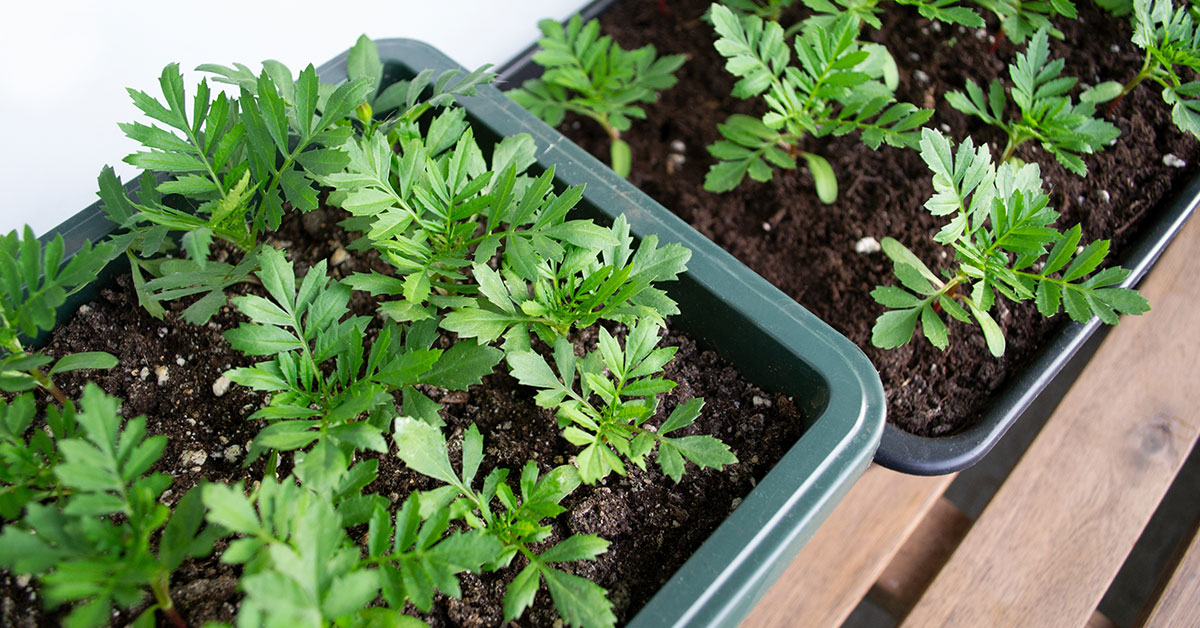

Welcome to the world of Mexican Marigold (Tagetes lucida), a stunning and versatile flowering plant that is sure to add a touch of vibrancy to any indoor or outdoor space. With its bright yellow or orange blossoms and aromatic foliage, this herbaceous perennial is not only visually appealing but also holds a special place in traditional Mexican culture.
Whether you are a seasoned gardener or a beginner looking to cultivate your green thumb, this article will guide you through the process of growing and caring for Mexican Marigold, providing you with all the essential information and expert tips to ensure your success in nurturing this captivating plant. So, let’s dive in and discover the secrets of cultivating this beautiful and culturally significant herb!
What is a Mexican Marigold (Tagetes lucida)?
The Mexican Marigold, scientifically known as Tagetes lucida, is a perennial herbaceous plant native to Mexico and Central America. It is a member of the Asteraceae family, which includes sunflowers and daisies. Mexican Marigold is commonly referred to as “Mexican Mint Marigold,” “Sweet Marigold,” or “Mexican Tarragon” due to its aromatic leaves that resemble the taste of tarragon. It is highly valued for its culinary and medicinal uses.
In terms of appearance, Mexican Marigold typically grows to a height of 1 to 3 feet (30 to 90 cm) and has slender, branching stems. The leaves are lance-shaped, elongated, and dark green in color, with serrated edges. When crushed, the leaves release a strong anise-like fragrance. The plant produces small, golden-yellow flowers that resemble traditional marigolds, but on a smaller scale.
The flowers are arranged in clusters at the end of the stems and bloom from late summer to fall. They attract pollinators like bees and butterflies. Overall, Mexican Marigold is an attractive plant with its aromatic foliage and vibrant yellow flowers. It is often grown in herb gardens, borders, or containers, both for its ornamental value and its culinary uses.
Where is Mexican Marigolds native?
Mexican Marigold, also known as Tagetes lucida, is native to Mexico and Central America. It is not considered invasive in its native range. However, when introduced to other regions where it is not native, it has the potential to become invasive under certain conditions. Invasive plants are those that can outcompete native species, disrupt ecosystems, and spread rapidly. It is always important to check with local authorities or gardening experts to determine if a plant is considered invasive in your specific area before introducing it into your garden.
How to grow Tagetes lucida indoors
Mexican Marigold, also known as Tagetes lucida or Mexican tarragon, is a beautiful and aromatic herb that can be grown indoors. Here is a care guide to help you successfully grow Mexican Marigold indoors:
- Lighting: Mexican Marigold thrives in bright, indirect light. Place your plant near a south or west-facing window where it can receive at least 6-8 hours of sunlight per day. If natural light is limited, you can supplement with fluorescent grow lights placed 6-12 inches above the plant.
- Temperature: Mexican Marigold prefers temperatures between 60-75°F (15-24°C). Protect it from drafts and extreme temperature fluctuations. Avoid placing it near heating or cooling vents.
- Watering: Water your Mexican Marigold when the top inch of soil feels dry to the touch. Ensure that the pot has good drainage to prevent waterlogging. Water thoroughly until water drains out of the bottom, then empty the saucer to avoid standing water. Avoid overwatering, as it can lead to root rot.
- Humidity: Mexican Marigold can tolerate average room humidity, but it appreciates slightly higher humidity levels. You can increase humidity by placing a tray filled with water near the plant or using a humidifier.
- Soil: Use a well-draining potting mix that is rich in organic matter. A mixture of equal parts peat moss, perlite, and compost works well. Avoid heavy soils that retain too much moisture.
- Fertilizer: Feed your Mexican Marigold every 4-6 weeks during the growing season (spring and summer) with a balanced, water-soluble fertilizer. Follow the instructions on the fertilizer package for the correct dosage. Avoid over-fertilizing, as it can lead to leggy growth.
- Pruning: Regularly pinch back the tips of your Mexican Marigold to encourage bushier growth. This will also prevent it from becoming too leggy. You can also harvest the leaves for culinary use or to promote new growth.
- Pests and diseases: Mexican Marigold is generally resistant to pests and diseases. However, keep an eye out for common houseplant pests like aphids, spider mites, or whiteflies. If you notice any infestation, treat it with insecticidal soap or neem oil, following the instructions on the product label.
- Propagation: Mexican Marigold can be propagated through stem cuttings. Take a 4-6 inch cutting from a healthy plant, remove the lower leaves, and place it in a glass of water. Once roots develop, transfer the cutting to a pot with well-draining soil.
- Winter care: Mexican Marigold is not frost-tolerant. If you live in a region with cold winters, bring your plant indoors before the first frost. Place it in a well-lit spot away from drafts and provide the same care as mentioned above.
By following these care guidelines, you can enjoy the beauty and fragrance of Mexican Marigold indoors throughout the year.
How to grow Mexican Marigolds outdoors
Mexican Marigold, also known as Tagetes lucida or Mexican tarragon, is a beautiful flowering herb that can be grown outdoors. Here is a care guide to help you successfully grow Mexican Marigold in your garden:
- Climate and sunlight: Mexican Marigold thrives in warm climates and requires full sun to partial shade. Choose a location in your garden that receives at least 6 hours of direct sunlight per day.
- Soil requirements: Mexican Marigold prefers well-draining soil with a pH level between 6.0 and 7.5. Amend heavy clay soil with organic matter like compost to improve drainage.
- Planting: Start by preparing the soil by removing any weeds or debris. Dig a hole slightly larger than the plant’s root ball. Place the Mexican Marigold in the hole and backfill with soil, gently firming it around the plant. Space multiple plants about 12-18 inches apart.
- Watering: Mexican Marigold requires regular watering, especially during dry spells. Water deeply, allowing the soil to dry slightly between waterings. Avoid overwatering, as it can lead to root rot.
- Fertilization: Apply a balanced, slow-release fertilizer once a month during the growing season (spring to fall). Follow the package instructions for the appropriate dosage. Alternatively, you can use a liquid fertilizer diluted to half strength every two weeks.
- Pruning: Mexican Marigold benefits from regular pruning to maintain its shape and encourage bushier growth. Pinch back the tips of the plant when it reaches about 6 inches in height. This will promote branching and more abundant flowering.
- Mulching: Apply a layer of organic mulch around the base of the plant to help retain moisture, suppress weeds, and regulate soil temperature. Keep the mulch a few inches away from the stem to prevent rot.
- Pests and diseases: Mexican Marigold is generally resistant to pests and diseases. However, keep an eye out for aphids, spider mites, and whiteflies. If necessary, treat with insecticidal soap or neem oil following the product instructions.
- Propagation: Mexican Marigold can be propagated from seeds or stem cuttings. Collect seeds from mature flowers and sow them directly in the garden after the last frost. For stem cuttings, take 4-6 inch cuttings from healthy plants and root them in a well-draining potting mix.
- Winter care: Mexican Marigold is a perennial in warmer climates but may not survive frost or freezing temperatures. If you live in a colder region, consider growing it as an annual or bring potted plants indoors during winter.
By following these care guidelines, you can enjoy the vibrant blooms and aromatic foliage of Mexican Marigold in your outdoor garden.
How to grow Tagetes lucida in pots
Mexican Marigold, also known as Tagetes lucida or Mexican tarragon, is a beautiful and aromatic herb that can be easily grown in pots. Here is a care guide to help you successfully grow Mexican Marigold in containers:
- Select a suitable pot: Choose a pot that is at least 8-10 inches deep and has drainage holes at the bottom. This will ensure proper drainage and prevent waterlogging.
- Soil requirements: Mexican Marigold prefers well-draining soil. Use a good quality potting mix that is enriched with organic matter. You can also add perlite or sand to improve drainage.
- Sunlight: Mexican Marigold thrives in full sun to partial shade. Place the pot in a location where it receives at least 6-8 hours of direct sunlight each day. If you are growing it indoors, place it near a south-facing window or use grow lights to provide sufficient light.
- Watering: Water the plant thoroughly when the top inch of soil feels dry. Avoid overwatering as it can lead to root rot. Allow the soil to dry out slightly between waterings. During hot summer months, you may need to water more frequently.
- Fertilization: Mexican Marigold is not a heavy feeder. Apply a balanced, water-soluble fertilizer once a month during the growing season (spring to fall). Follow the instructions on the fertilizer package for the correct dosage.
- Pruning: Regular pruning will help maintain a compact and bushy plant. Pinch off the tips of the stems to encourage branching and promote more flowers. Remove any dead or yellowing leaves to keep the plant healthy.
- Pests and diseases: Mexican Marigold is generally resistant to pests and diseases. However, keep an eye out for aphids, spider mites, or whiteflies. If you notice any infestation, you can use organic insecticidal soap or neem oil to control them.
- Harvesting: Mexican Marigold leaves have a strong anise-like flavor and are often used as a culinary herb. You can start harvesting the leaves once the plant is established and has enough foliage. Trim the leaves as needed, but avoid removing more than one-third of the plant at a time.
- Winter care: Mexican Marigold is a perennial in warmer regions but may not survive freezing temperatures. If you live in a colder climate, bring the potted plant indoors before the first frost. Place it in a sunny location and reduce watering during the dormant period.
By following these care instructions, you can enjoy the beauty and fragrance of Mexican Marigold in your pots. Happy gardening!
When do Mexican Marigolds bloom?
Mexican Marigold, also known as Tagetes lucida or Mexican tarragon, typically blooms in late summer to early fall. The exact timing may vary depending on the specific growing conditions and climate in your region. It is a perennial plant that produces small, yellow or orange flowers in clusters. The blooms are often accompanied by aromatic foliage that has a tarragon-like scent.
Propagation guide for Mexican Marigolds (Tagetes lucida)
To propagate Mexican Marigold (Tagetes lucida), you have a few options:
- Seeds: Collect the seeds from mature Mexican Marigold plants. Sow the seeds in well-draining soil, either indoors in seed trays or directly in the garden. Cover the seeds lightly with soil and keep them consistently moist. Germination typically takes around 1-2 weeks. Once the seedlings are large enough, transplant them to their permanent location.
- Stem cuttings: Take stem cuttings from a healthy Mexican Marigold plant. Choose a non-flowering stem and cut a 4-6 inch section just below a leaf node. Remove the lower leaves, leaving only a few at the top. Dip the cut end in rooting hormone (optional) and plant it in a well-draining potting mix or a mixture of perlite and peat moss. Keep the cutting in a warm and humid environment, and mist it regularly. Rooting should occur within 2-4 weeks. Once rooted, transplant the cutting into a larger pot or the garden.
- Division: Divide mature Mexican Marigold plants in early spring or fall. Carefully dig up the plant and separate the clumps into smaller sections, ensuring each section has roots attached. Replant the divisions in well-prepared soil, water thoroughly, and provide appropriate care.
Regardless of the propagation method you choose, it’s important to provide the Mexican Marigold plants with adequate sunlight, well-draining soil, and regular watering. They prefer full sun to partial shade and can tolerate a range of soil types.
Common pests and diseases
Mexican Marigold, also known as Tagetes lucida, is a beautiful flowering plant that is relatively resistant to pests and diseases. However, there are a few common issues that can affect its health. Here are some of the pests and diseases to watch out for:
- Aphids: These tiny insects can cluster on the leaves and stems, sucking sap from the plant. They can be controlled by spraying the plant with a strong stream of water or by using insecticidal soap.
- Whiteflies: These small, white insects can be found on the undersides of leaves, causing yellowing and wilting. They can be controlled using insecticidal soap or neem oil.
- Spider mites: These pests are not insects but rather tiny arachnids that can cause yellowing, stippling, and webbing on the leaves. They thrive in dry conditions. Regularly misting the plant and using insecticidal soap can help control spider mites.
- Powdery mildew: This fungal disease appears as a white, powdery coating on the leaves. It thrives in humid conditions and can be controlled by improving air circulation, avoiding overhead watering, and using fungicidal sprays if necessary.
- Root rot: Overwatering or poorly drained soil can lead to root rot, causing the plant’s roots to become mushy and black. To prevent this, ensure the plant is in well-draining soil and water it only when the top inch of soil feels dry.
Overall, Mexican Marigold is a relatively hardy plant that can withstand many common pests and diseases. Regular monitoring, proper watering, and maintaining a healthy growing environment will help keep it thriving.
Facts about Mexican Marigolds
Mexican Marigold, also known as Tagetes lucida or Mexican tarragon, is a fascinating plant with several interesting facts:
- Culinary Herb: Mexican Marigold is widely used as a culinary herb in Mexican and Central American cuisine. Its leaves have a strong anise or licorice-like flavor, making it a popular substitute for French tarragon.
- Medicinal Uses: This plant has a long history of medicinal use. It is believed to have various health benefits, including aiding digestion, relieving stomachaches, and reducing anxiety. Some traditional cultures also use it as a remedy for respiratory issues and to promote healthy liver function.
- Traditional Ceremonial Herb: Mexican Marigold has been used in traditional ceremonies by indigenous cultures in Mexico for centuries. It is often associated with Day of the Dead celebrations and is believed to have spiritual and protective properties.
- Insect Repellent: The strong scent of Mexican Marigold acts as a natural insect repellent. It is particularly effective against mosquitoes, making it a useful addition to outdoor gardens or patio areas.
- Attractive Flowers: Mexican Marigold produces small, vibrant yellow or orange flowers that add a pop of color to gardens. These flowers are also attractive to pollinators like bees and butterflies.
- Easy to Grow: Mexican Marigold is a relatively low-maintenance plant, making it suitable for both beginner and experienced gardeners. It thrives in full sun and well-draining soil, and it can tolerate a range of climates.
- Perennial Herb: While Mexican Marigold is often grown as an annual in colder regions, it is actually a perennial plant in its native habitat. In warmer climates, it can survive year-round and even self-seed.
- Companion Planting: Mexican Marigold is known for its ability to repel certain pests, including nematodes, aphids, and whiteflies. It is often planted alongside vegetables like tomatoes and peppers to help protect them from these pests.
- Herbal Tea: The leaves of Mexican Marigold can be used to make a flavorful herbal tea. The tea is believed to have calming properties and is often consumed to promote relaxation and relieve stress.
- Cultural Significance: Mexican Marigold holds cultural significance in Mexico, where it is considered a symbol of love and devotion. It is often used in religious ceremonies and festivals, and its vibrant flowers are used to decorate altars and graves during Day of the Dead celebrations.Meta Description